
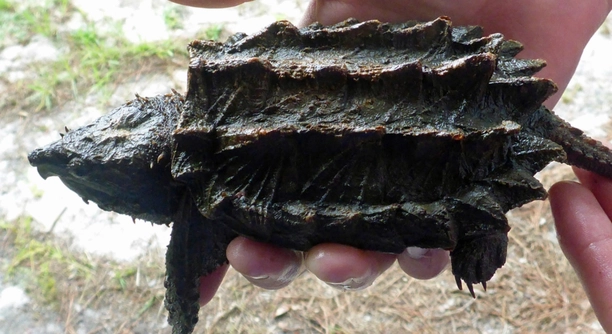
Alligator snapping turtles are fascinating creatures, but sometimes their shells may appear soft or flexible. If you notice this in your pet, it’s important to understand the reasons behind this unusual characteristic.
The softness of your alligator snapping turtle’s shell may be due to a variety of factors, including improper diet, inadequate UVB exposure, health issues, or even dehydration. These conditions can prevent the shell from fully developing its protective hard structure.
Several factors influence your turtle’s shell health, and it’s important to address them to ensure your turtle’s overall well-being.
Improper Diet and Nutrition
An alligator snapping turtle’s shell depends on the proper nutrients to grow strong and hard. Without a balanced diet, your turtle may struggle to develop a healthy shell. A lack of calcium, for example, can lead to softening or deformities in the shell. Calcium is crucial for shell development, so it’s essential to ensure your turtle’s diet includes calcium-rich foods, such as dark leafy greens, fish, or specially formulated pellets.
If your turtle isn’t getting enough calcium or other essential nutrients, you may notice soft patches or a less rigid shell. Regularly providing a variety of appropriate foods can help support shell growth.
Over time, a lack of essential nutrients can also impact your turtle’s overall health, leading to other complications like weak bones or poor immune function. Monitoring what your turtle eats and providing supplements as needed can make a significant difference in their shell development and overall well-being.
Insufficient UVB Lighting
Without proper UVB lighting, your alligator snapping turtle may have difficulty absorbing calcium from its diet. UVB light is essential for calcium metabolism and shell hardening. If you’re keeping your turtle indoors, providing a UVB bulb that mimics sunlight is necessary.
UVB light helps turtles produce Vitamin D3, which is critical for calcium absorption. Without it, they can develop soft or deformed shells, making them more vulnerable to injury or infection.
It’s important to keep the UVB light on for about 10-12 hours a day, and make sure the bulb is positioned close enough to your turtle for effective exposure. Over time, this will help the shell become stronger and less likely to show signs of softness. Regularly changing the bulb is necessary as well since UVB output decreases over time. A well-lit environment is key for supporting your turtle’s shell and overall health.
Dehydration and Its Effects
Dehydration can lead to a soft shell in alligator snapping turtles. If they’re not drinking enough water or the water they are in is not clean, it can prevent their shell from hardening properly. Dehydrated turtles may also appear lethargic or have trouble eating. A consistent supply of fresh, clean water is vital for maintaining their health.
Turtles rely on their aquatic environment to stay hydrated and for their shells to stay strong. Inadequate water levels or stagnant water can contribute to poor shell health. It’s crucial to ensure your turtle’s tank is properly maintained, with filtered water and regular cleaning.
For best results, provide a water area large enough for the turtle to swim freely, as this promotes hydration. If your turtle is not drinking enough, try soaking them in fresh water for about 20 minutes a couple of times a week. This encourages hydration and supports proper shell development.
Health Issues and Illness
Certain health conditions can make a turtle’s shell appear softer than usual. Infections, parasites, or metabolic bone disease (MBD) can all cause the shell to soften or become deformed. If you notice your turtle’s shell is soft and it isn’t related to diet or lighting, a veterinary check-up is recommended.
Metabolic bone disease is a common issue in reptiles and occurs when calcium absorption is impaired. This condition weakens bones and the shell, often leading to deformities or a soft shell. Infections or parasitic infestations may also affect the shell’s appearance and integrity.
Taking your turtle to a vet can help identify underlying health issues. Early detection and treatment can prevent further damage to your turtle’s shell and help restore their overall health.
Inadequate Shell Maintenance
A lack of proper shell care can lead to issues with your alligator snapping turtle’s shell. Regularly inspecting the shell and maintaining a clean environment is essential to prevent problems like softening. If your turtle’s shell is exposed to dirt or bacteria, it may weaken over time.
To keep the shell healthy, ensure that your turtle’s habitat is cleaned frequently, with regular water changes and removing any waste. A dirty tank can lead to shell rot or infections that cause softness. Additionally, gentle cleaning with a soft brush can help remove debris from the shell without causing damage.
If you notice any unusual growths, discoloration, or soft spots on the shell, it’s important to take action immediately. Regularly cleaning your turtle’s shell can prevent bacteria buildup and encourage a healthy, strong shell. Keeping the tank environment in check can also ensure long-term health for your turtle’s shell.
Temperature and Humidity Imbalance
The temperature and humidity in your turtle’s enclosure play a major role in maintaining shell health. If the environment is too warm or too cold, it can cause stress to your turtle, impacting shell development. Humidity also affects the health of the shell, particularly for aquatic turtles like the alligator snapping turtle.
Maintain the proper temperature gradient within the tank by using heat lamps and thermostats. The basking area should be around 85–90°F, while the water should stay between 75–80°F. A consistent temperature will help support your turtle’s metabolism, shell growth, and overall health. Humidity should be kept at a level that mimics your turtle’s natural habitat.
Improper temperature or humidity can lead to poor feeding habits and a weakened immune system, both of which can contribute to a soft shell. Ensuring the tank conditions are optimal will keep your turtle’s shell strong and prevent health problems from arising. Regularly monitor these factors and adjust as needed to support a healthy environment.
Stress and Behavioral Factors
Stress is often overlooked as a factor in shell softness. If your turtle feels threatened or uncomfortable in its environment, it can result in health problems, including softening of the shell. Stress can come from various sources, such as overcrowding, sudden changes in habitat, or improper handling.
Alligator snapping turtles are solitary creatures and need a peaceful environment. Make sure their tank is large enough for them to move freely and that they aren’t being disturbed by other pets. Avoid sudden changes in their environment or handling, as this can cause unnecessary stress. Additionally, provide hiding spots and places for them to rest undisturbed.
The impact of stress on a turtle’s health can be significant, including poor shell development. By creating a calm and stable environment, your turtle will feel more secure, which can help maintain its shell strength. Reducing stress will also improve your turtle’s overall well-being and prevent health complications.
Genetic Factors
Genetics can play a role in your turtle’s shell condition. Some turtles may naturally have softer shells due to inherited traits. These genetic factors can make it more difficult for the shell to develop the hard, protective qualities seen in most alligator snapping turtles.
If your turtle’s shell seems soft despite proper care, it might be due to its genetic makeup. Unfortunately, there’s not much you can do to change this, but providing the best possible care can still support overall health. Regular monitoring is important to ensure that other factors aren’t contributing to the softness.
Age and Developmental Stages
As turtles age, their shells go through various stages of development. A younger alligator snapping turtle may have a softer shell that hardens over time as they grow. This is a natural process, and it’s common for younger turtles to have softer, more pliable shells.
If your turtle is still growing, don’t worry if their shell isn’t as hard as an adult’s. With age and proper care, their shell will likely toughen up. Ensure that they receive adequate nutrition, UVB exposure, and hydration to support proper shell development. The shell will naturally strengthen as they mature.
Water Quality
The quality of your turtle’s water plays an important role in maintaining a strong shell. Dirty or improperly maintained water can lead to infections or skin issues, which can also affect the shell. Make sure the water is always clean and free from harmful chemicals.
Water should be filtered regularly to remove waste and debris. Changing the water frequently is important, especially if you notice cloudy water or an unpleasant smell. Maintaining high water quality will help your turtle stay healthy and ensure their shell remains strong and free from bacteria or infections.
FAQ
What causes a snapping turtle’s shell to be soft?
A soft shell in an alligator snapping turtle can be caused by various factors. These include poor diet, lack of UVB light, dehydration, infections, or even genetic issues. If a turtle is not receiving enough calcium, sunlight, or a proper water environment, it may lead to shell softness. Ensuring proper care with a balanced diet, UVB lighting, clean water, and appropriate temperature can help strengthen the shell over time.
How can I make my snapping turtle’s shell harder?
To make your turtle’s shell harder, focus on providing a balanced diet rich in calcium, such as dark leafy greens, fish, and special calcium supplements. Make sure your turtle gets adequate UVB light, which helps with calcium absorption. Keep the water clean and at the right temperature to ensure proper shell development. Regular soaking can also help maintain hydration, which is crucial for shell health.
Can stress affect my snapping turtle’s shell?
Yes, stress can negatively affect your snapping turtle’s shell. Turtles are sensitive to environmental changes, overcrowding, and excessive handling. Stress can weaken their immune system, which can result in softer shells or other health issues. Creating a peaceful environment with appropriate hiding spots and ensuring the tank conditions are stable can reduce stress and support shell health.
Is it normal for baby snapping turtles to have soft shells?
Yes, it’s normal for baby alligator snapping turtles to have softer shells as they are still growing. As they mature and their bodies develop, their shells will naturally harden. However, proper care such as a well-balanced diet, UVB lighting, and clean water is essential to ensure that their shell hardens properly over time.
How often should I change the water in my snapping turtle’s tank?
The water in your snapping turtle’s tank should be changed at least once a week, or more frequently if the water becomes dirty or cloudy. Regular water changes help prevent bacteria buildup, which can lead to shell infections or softness. It’s also important to have a good filtration system in place to maintain water quality between changes.
Can a soft shell be a sign of disease in my snapping turtle?
Yes, a soft shell can indicate that your snapping turtle may have a health issue. Conditions like metabolic bone disease (MBD) or shell rot can cause the shell to soften or become deformed. If your turtle’s shell seems soft despite proper care, it’s best to consult a vet for a thorough examination and diagnosis.
How do I know if my snapping turtle is dehydrated?
Dehydration in snapping turtles can cause lethargy, poor appetite, and a softer shell. If your turtle is not swimming or basking regularly, it could be a sign of dehydration. Ensure they always have access to fresh, clean water, and regularly soak them in water to encourage hydration. Proper hydration supports shell health and overall well-being.
What type of UVB light is best for my snapping turtle?
For your alligator snapping turtle, use a UVB light that provides both UVB and UVA rays. This type of light helps them absorb calcium from their diet, which is crucial for shell development. The UVB light should be on for about 10-12 hours a day. Keep the light at the appropriate distance from the turtle to ensure proper exposure. It’s important to replace the bulb every 6-12 months since UVB output decreases over time.
Can I use a regular light bulb instead of a UVB light for my snapping turtle?
No, a regular light bulb cannot replace a UVB light for your snapping turtle. While a regular bulb may provide heat, it does not emit UVB rays that are essential for calcium metabolism. A proper UVB bulb is necessary to ensure that your turtle absorbs the calcium it needs for strong shell development.
How do I clean my snapping turtle’s shell?
Cleaning your turtle’s shell is important for maintaining its health. Use a soft brush or sponge to gently scrub the shell and remove any algae or debris. Avoid using harsh chemicals or scrubbing too hard, as this can damage the shell. Regular cleaning can help prevent infections and maintain a healthy shell. Be sure to clean the tank as well to ensure overall cleanliness.
Can an alligator snapping turtle’s shell repair itself?
In some cases, an alligator snapping turtle’s shell can repair itself if the damage is not severe. However, if the shell is cracked or severely softened due to infection or disease, it may need medical intervention. A vet can help guide you on proper treatment, including possible shell repair or medication to treat infections. Regular care, good nutrition, and appropriate tank conditions will help support shell health over time.
Should I be concerned if my snapping turtle’s shell looks uneven or has lumps?
Unevenness or lumps in your snapping turtle’s shell can be a sign of an underlying health issue, such as infections, parasites, or improper nutrition. If the lumps or unevenness persist, it’s best to consult a vet. Early diagnosis and treatment can help prevent more severe damage to your turtle’s shell. Ensure that your turtle is eating the right foods and has proper tank conditions to support healthy shell growth.
How do I prevent shell rot in my snapping turtle?
Shell rot is often caused by poor water quality, trauma to the shell, or infections. To prevent shell rot, maintain a clean tank with good filtration and regular water changes. Ensure your turtle has access to dry basking areas to keep its shell dry and prevent moisture buildup. If your turtle’s shell is damaged, monitor the injury closely to prevent infection. Proper care and regular inspection of the shell can help prevent shell rot from occurring.
Final Thoughts
Alligator snapping turtles are unique creatures, and understanding the reasons behind a soft shell is important for their health and well-being. A soft shell can be caused by several factors such as poor diet, lack of UVB light, dehydration, or even infections. By providing your turtle with the right nutrition, a proper lighting setup, and a clean and stable environment, you can help ensure that their shell stays strong and healthy. It’s essential to monitor their diet closely, making sure they receive the proper amount of calcium and other nutrients needed for shell growth.
Additionally, keeping their habitat in good condition is crucial. Regularly changing the water, ensuring the right temperature and humidity, and providing clean basking areas will help keep your turtle’s shell in the best condition possible. UVB lighting is especially important for calcium absorption, and without it, your turtle’s shell may remain soft or weak. If you notice any signs of shell softness or deformities, it’s best to consult a vet for a proper diagnosis and treatment plan. They can help identify any underlying health issues, such as metabolic bone disease, that could be contributing to the problem.
Taking proactive steps to care for your snapping turtle will not only support its shell health but also improve its overall quality of life. As with any pet, consistency in care is key. With the right environment, proper diet, and regular health checks, your alligator snapping turtle can thrive and develop a strong, healthy shell.

Hello,
If you enjoy the content that we create, please consider saying a "Thank You!" by leaving a tip.
Every little bit helps us continue crafting quality advice that supports the health, happiness, and well-being of pets around the world, for pets of all shapes, sizes, and species.
We really appreciate the kindness and support that you show us!