
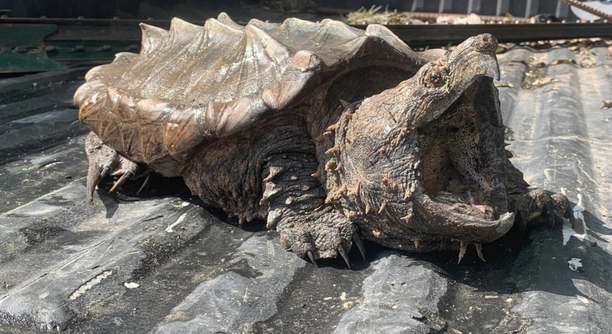
Alligator snapping turtles are fascinating creatures, known for their unique behavior. However, sometimes they may avoid their hideouts, making it difficult for owners to understand what is happening. Several factors could be at play.
The main reason an alligator snapping turtle may avoid its hideout is due to environmental stress. Changes in temperature, water quality, or habitat layout can disrupt its comfort. Ensuring a stable, clean environment helps the turtle feel safe and secure.
By addressing these factors, you can help restore a sense of security for your turtle. Understanding their needs will improve their well-being and encourage them to return to their hideout.
Temperature Fluctuations
Alligator snapping turtles are sensitive to temperature changes. If the water in their habitat becomes too warm or cold, they may retreat to avoid discomfort. These turtles thrive in a specific temperature range, typically between 72°F to 78°F (22°C to 26°C). When the temperature fluctuates outside this range, they may feel stressed, prompting them to avoid their hideout. A stable environment is crucial for their well-being, and sudden changes in water temperature can lead to behavior like hiding or staying inactive for longer periods. If your turtle is constantly avoiding its hideout, check the water temperature. Using a reliable water heater and thermometer can help keep the habitat within the ideal temperature range, creating a comfortable environment.
If your turtle’s hideout is located in an area that experiences temperature extremes, consider relocating it to a more stable spot. This small adjustment can significantly improve their comfort level.
A proper habitat setup is key to keeping your alligator snapping turtle happy. Investing in a quality water heater and regularly checking the temperature ensures a suitable living environment, helping your turtle feel secure and reducing its stress levels.
Poor Water Quality
Water quality is another important factor in turtle health. Turtles rely on clean, well-maintained water to stay healthy. If the water becomes too dirty or has imbalanced levels of ammonia, nitrites, or nitrates, it can affect the turtle’s behavior. The presence of harmful substances in the water can make your turtle feel unsafe, causing it to avoid its hideout. Regular water changes and proper filtration are essential for keeping the water clean and clear. A filter with adequate capacity will help maintain healthy water conditions, while routine cleaning ensures any debris or waste is removed.
If your turtle’s water quality is poor, it’s not only uncomfortable but can lead to health issues. Test the water frequently to check for contaminants, and use an effective filtration system to keep it clean. The healthier the water, the more likely your turtle will feel safe enough to return to its hideout.
Alligator snapping turtles can easily get stressed when the water quality is off. Over time, the stress can weaken their immune system, leading to more serious health issues. By paying attention to the cleanliness and quality of the water, you can help your turtle stay healthy and comfortable.
Overcrowded Habitat
If your turtle’s enclosure is overcrowded, it may avoid its hideout for some relief. A cramped space can lead to stress and territorial behavior. Alligator snapping turtles need a certain amount of room to feel secure. If they don’t have enough space to move freely or retreat when needed, they may choose to stay away from their hideout.
Ensure that your turtle’s habitat is spacious enough for it to move, swim, and explore without feeling confined. By creating an environment that accommodates its needs, you can help your turtle feel more comfortable and less stressed.
Overcrowding can also impact water quality and filtration, which compounds stress. Consider reducing the number of animals or adjusting the layout of the habitat to give your turtle more space. The extra room can make a big difference in their behavior, encouraging them to return to their hideout when they need rest.
Unfamiliar Objects in the Habitat
Introducing unfamiliar objects can create anxiety for your turtle. New decorations, toys, or equipment might make it feel vulnerable and more inclined to avoid its hideout. Alligator snapping turtles are creatures of habit and prefer familiar surroundings. When their environment changes suddenly, they can become disoriented.
Take note of any new additions to the habitat that may have caused your turtle to feel unsettled. While occasional changes are necessary, consider how each new object might alter the turtle’s sense of safety. If something seems to cause distress, remove it temporarily and observe the behavior.
Turtles rely on their hideout as a secure space. Any unexpected objects or changes can disrupt their comfort and routine. By keeping the habitat simple and predictable, you can help your turtle adjust better and encourage it to use its hideout more regularly.
Inconsistent Feeding Schedule
If your alligator snapping turtle’s feeding schedule is inconsistent, it might avoid its hideout. Turtles rely on routine, and sudden changes in feeding times can cause stress. This disruption can lead to erratic behavior, including staying away from its hideout.
Maintaining a regular feeding schedule helps establish a sense of stability. Feed your turtle at the same time each day to keep it comfortable and reduce unnecessary stress. This predictability ensures it feels secure enough to explore its environment and return to its hideout when needed.
Noise and Activity Around the Habitat
Excessive noise and movement around the turtle’s habitat can cause it to avoid its hideout. Snapping turtles are sensitive to disturbances and may feel threatened by loud sounds or constant activity nearby. The more disruption in their environment, the more likely they are to stay hidden.
If your turtle is avoiding its hideout, consider where it’s located. Is it near a high-traffic area or a spot where loud noises occur regularly? Placing the enclosure in a quieter location, away from heavy foot traffic and noise, can make your turtle feel more at ease and encourage it to retreat to its hideout when needed.
Stress from Handling
Overhandling your alligator snapping turtle can create unnecessary stress, leading to it avoiding its hideout. These turtles are not naturally inclined to be handled often. They prefer to stay undisturbed in their habitat and retreat when they need rest or feel threatened.
Avoid frequent handling unless necessary. If you must interact with your turtle, do so gently and for short periods. Giving your turtle space to explore and relax on its own will help minimize stress and encourage it to use its hideout.
FAQ
Why is my alligator snapping turtle avoiding its hideout?
There are several reasons your turtle might avoid its hideout. Common causes include poor water quality, stress from overcrowding, temperature fluctuations, or disruptions in their routine. These turtles are creatures of habit, so any changes in their environment can cause them to feel unsafe or uncomfortable. A thorough review of their habitat, temperature, water quality, and feeding schedule may help identify the issue.
How can I create a more comfortable environment for my turtle?
To make your turtle feel more comfortable, focus on maintaining consistent water quality, temperature, and a spacious habitat. Make sure the water is clean and free of harmful chemicals, with the proper filtration system in place. The water temperature should remain between 72°F to 78°F (22°C to 26°C). Additionally, ensure that your turtle has enough room to swim and move freely. The more secure your turtle feels in its environment, the more likely it will return to its hideout.
What type of food should I provide for my alligator snapping turtle?
A balanced diet is crucial for your turtle’s health. Alligator snapping turtles are carnivores, so their diet should consist of protein-rich foods such as fish, insects, and worms. You can also offer them high-quality turtle pellets. It’s important to feed them a variety of protein sources to mimic their natural diet. Additionally, some leafy greens can be given occasionally. Be mindful of portion sizes and avoid overfeeding, as it can lead to health problems.
Can alligator snapping turtles be housed with other pets?
While it is possible to house an alligator snapping turtle with other pets, it’s not always recommended. These turtles can be territorial and may not get along with other animals in the same enclosure, especially smaller turtles or fish. If you do choose to house multiple animals together, ensure that the tank is large enough to provide plenty of space for each one. Monitor interactions closely to avoid aggression.
How often should I clean my alligator snapping turtle’s habitat?
Regular cleaning is essential to maintaining a healthy environment for your turtle. You should perform partial water changes every week, ensuring the water stays clean and free from excess waste. The tank itself should be fully cleaned every 4 to 6 weeks, including scrubbing the walls, substrate, and filtering system. A proper filtration system is key to keeping the habitat cleaner for longer.
How do I know if my turtle is stressed?
Signs of stress in alligator snapping turtles can include excessive hiding, not eating, or staying in one spot for extended periods. They may also exhibit abnormal behaviors, such as becoming more aggressive or less active than usual. If you notice these signs, check for environmental factors that could be causing stress, such as poor water quality, temperature fluctuations, or overcrowding. Reducing stressors can help your turtle return to normal behavior.
What is the ideal tank size for an alligator snapping turtle?
The ideal tank size for an alligator snapping turtle depends on its size. A small turtle can live in a 75-gallon tank, but as it grows, you’ll need to upgrade to a larger one. An adult alligator snapping turtle needs at least a 100-gallon tank to ensure enough swimming space. It’s important to provide both land and water areas, as these turtles need space to bask as well.
How can I prevent my turtle from becoming too stressed during handling?
Handling should be kept to a minimum with alligator snapping turtles. If you must handle them, always do so gently and avoid startling them. Hold them securely but without causing distress, and keep interactions brief. If your turtle is especially stressed by handling, consider limiting it to essential care tasks only.
Why isn’t my turtle eating?
There can be several reasons why your alligator snapping turtle might refuse to eat. Stress, poor water quality, or temperature issues can cause a loss of appetite. It’s also possible that the food you’re offering isn’t appealing to your turtle. Try varying its diet or changing feeding times. If the issue persists, consult a veterinarian to rule out any health problems.
Can I use tap water in my turtle’s tank?
Tap water can be used in your turtle’s tank, but it must be treated first. Most tap water contains chlorine or chloramine, which can harm your turtle. Use a water conditioner to remove these chemicals before adding it to the tank. Additionally, make sure the water is at the right temperature and pH level for your turtle’s comfort.
Final Thoughts
Understanding why your alligator snapping turtle might avoid its hideout is key to addressing the issue. Turtles can be sensitive to changes in their environment, and even small disruptions can lead to avoidance behaviors. Whether it’s water quality, temperature, or stress from handling, identifying the cause will help you make necessary adjustments. Consistency in your turtle’s routine and habitat will create a sense of security, allowing your turtle to feel more comfortable in its space. Providing a stable and peaceful environment will encourage your turtle to use its hideout and feel more at ease in its home.
Regular maintenance and monitoring of the turtle’s habitat are crucial. Keeping the water clean and maintaining the right temperature helps reduce stress and keeps your turtle healthy. If you notice your turtle avoiding its hideout, look for signs of poor water conditions, temperature imbalances, or stress factors. Sometimes a small change, like relocating the hideout or reducing noise around the tank, can make a big difference. Ensuring that your turtle has a comfortable and quiet place to retreat will allow it to feel safe and more likely to use its hideout when needed.
In the end, the key to helping your alligator snapping turtle feel at home is understanding its needs and adjusting its habitat accordingly. Patience and careful observation will go a long way in addressing the issue. By providing a consistent, calm environment, you can reduce stress and improve your turtle’s well-being. Always remember that a healthy, happy turtle will be more likely to use its hideout, and you’ll see its natural behavior return.

Hello,
If you enjoy the content that we create, please consider saying a "Thank You!" by leaving a tip.
Every little bit helps us continue crafting quality advice that supports the health, happiness, and well-being of pets around the world, for pets of all shapes, sizes, and species.
We really appreciate the kindness and support that you show us!