
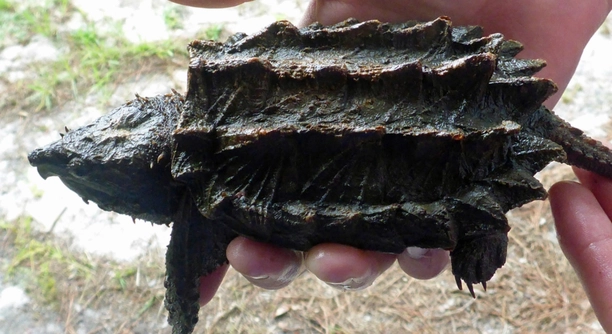
Some alligator snapping turtles refuse to eat live food, which can be frustrating for their caretakers. Understanding the causes of this behavior is important to ensure their well-being and proper nutrition.
The refusal to eat live food may stem from various factors, including stress, environmental changes, health issues, or an improper diet. Additionally, some turtles may simply become accustomed to eating prepared food, making them less inclined to pursue live prey.
Identifying the underlying cause is essential for addressing the issue and improving your turtle’s feeding habits.
Stress or Environmental Changes
Alligator snapping turtles are sensitive to their environment. Any change, whether in their tank setup or surrounding conditions, can cause them stress. Factors such as water temperature, water quality, lighting, or noise can all affect your turtle’s feeding habits. Even the introduction of new tank mates or frequent disturbances can lead to a lack of appetite. Turtles often stop eating when they feel threatened or unsettled in their surroundings.
It’s essential to ensure your turtle’s habitat remains stable. Regular maintenance of water parameters and a quiet, peaceful environment will help them feel safe and encourage normal feeding behavior.
If your turtle’s environment is not optimal, try adjusting the temperature or cleaning the tank more frequently. Creating a comfortable environment is a key step in restoring their feeding habits. Stability and minimal disturbances are crucial for your turtle’s well-being.
Health Issues
Sometimes, a turtle’s refusal to eat is linked to an underlying health issue. Illness, parasites, or physical injuries can lead to a loss of appetite. When turtles are feeling unwell, they may avoid food, especially live prey, which requires more energy and effort to catch.
Regular health check-ups are vital to rule out any medical conditions. If the lack of appetite persists, consult a vet specializing in reptiles for a thorough examination and diagnosis. Identifying and addressing health issues will help your turtle return to normal feeding habits.
Improper Diet
An improper diet can lead to an alligator snapping turtle refusing live food. If your turtle has become accustomed to eating commercial pellets or other prepared food, they may lose interest in live prey. The texture, scent, and action of live food can become unappealing if they haven’t been eating it regularly.
To help encourage live food consumption, gradually reintroduce it alongside their usual diet. Offering a mix of food types can spark their natural hunting instincts and encourage a healthier, more varied diet. You can try feeding them live insects, worms, or small fish to see if they regain interest.
If your turtle has been primarily eating processed food, it may take some time for them to adjust back to live food. Make sure to keep offering a mix and be patient. You’ll likely see a return to their hunting behaviors once they become accustomed to the change.
Age or Maturity
As alligator snapping turtles age, their dietary preferences and behavior can shift. Older turtles may become less enthusiastic about hunting live food, particularly if they’ve grown accustomed to an easier, prepared food option. It’s important to recognize that this shift is natural as they age.
You may notice that your turtle is less active or less inclined to chase prey. As turtles mature, their metabolism slows down, and their food intake may decrease overall. Adjusting the feeding schedule or offering food with less effort, like cut-up fish or shrimp, can help.
Older turtles may also experience reduced activity levels due to age-related changes, which can impact their feeding behavior. While it’s a normal part of the aging process, providing an easy food source will ensure they stay well-nourished and maintain a healthy weight.
Inconsistent Feeding Schedule
An inconsistent feeding schedule can confuse your alligator snapping turtle and lead to a lack of interest in live food. Turtles thrive on routine, and irregular feeding times can make them less likely to hunt. Stick to a set schedule to encourage natural feeding instincts.
Feeding your turtle at the same time every day helps establish a healthy routine. If feeding times are erratic, they may not feel the need to hunt or show interest in live prey. Consistency is key to helping your turtle adjust to a regular feeding schedule.
Tank Size or Space Limitations
If your turtle’s tank is too small, it can restrict their ability to move around and hunt. A confined space might make them feel stressed and less likely to engage in natural hunting behavior. Proper tank size allows your turtle to explore, search, and become active during feeding time.
Ensuring your turtle has enough space to roam and exhibit natural behaviors is essential for their health and well-being. Larger tanks provide a better environment for them to hunt, making it easier to regain their interest in live food.
FAQ
Why is my alligator snapping turtle not eating live food?
There can be several reasons why your alligator snapping turtle refuses live food. Stress from environmental changes, improper tank conditions, or health issues are common factors. Additionally, if your turtle is used to prepared food, they may lose interest in live prey. It’s important to assess their environment, diet, and overall health to pinpoint the cause.
What should I do if my turtle refuses live food?
Start by checking your turtle’s environment. Ensure the water temperature, lighting, and water quality are ideal. Reducing stress by minimizing disturbances and adjusting the habitat can help. Also, try reintroducing live food gradually to their diet. If the issue persists, consult a veterinarian for further guidance.
How can I encourage my alligator snapping turtle to eat live food again?
To encourage your turtle to eat live food, you can try offering different types of prey such as worms, insects, or small fish. Gradually mix live food with their regular diet to reintroduce it. A consistent feeding schedule can also help trigger their natural hunting instincts.
Can a poor diet cause my turtle to refuse live food?
Yes, a poor diet can lead to a lack of interest in live food. If your turtle has become accustomed to processed food, it might lose its natural appetite for live prey. Switching back to a more natural diet, with a mix of live and prepared food, can help reignite their interest.
Is my turtle’s refusal to eat live food normal?
Refusing live food is not uncommon and can be a result of various factors. While it’s not necessarily abnormal, it’s important to figure out the root cause and address it. Turtles can sometimes go through phases of disinterest in live food, especially due to age or environmental changes.
Can I feed my alligator snapping turtle only prepared food?
It’s not recommended to feed your alligator snapping turtle only prepared food. While pellets or other processed food can be part of their diet, live food provides essential nutrients and satisfies their natural hunting instincts. A balanced diet with both live and prepared food is ideal for their health.
How do I know if my turtle is stressed?
Signs of stress in an alligator snapping turtle can include lack of appetite, erratic swimming, hiding more often, or aggressive behavior. Environmental stressors like poor water quality, temperature fluctuations, or overcrowding can contribute to these signs. Maintaining a stable, clean, and quiet environment is key to preventing stress.
Is it possible my turtle is too old to hunt live food?
Yes, older turtles may lose interest in hunting for live food. As they age, their metabolism slows, and they may prefer less active prey or more easily accessible food. While this is a natural process, you can still provide them with a balanced diet that meets their needs.
How can I tell if my turtle is sick?
Sick turtles may exhibit a variety of symptoms, including lethargy, swelling, discolored skin, or changes in the way they eat. If your turtle has stopped eating live food and shows any of these signs, it may be a sign of illness. A visit to a vet specializing in reptiles is crucial for diagnosis and treatment.
Should I worry if my turtle stops eating completely?
If your turtle stops eating entirely, it’s essential to investigate the cause. It could be due to stress, health issues, or environmental changes. While occasional fasting can occur, a prolonged lack of eating is a serious concern that should be addressed with proper veterinary care.
Can my turtle refuse live food because of the water temperature?
Yes, water temperature plays a crucial role in a turtle’s feeding behavior. If the water is too cold or too warm, your turtle may become less active and lose interest in hunting live food. Ensure the water temperature is within the recommended range for alligator snapping turtles to promote healthy eating habits.
Is there a certain type of live food my turtle might prefer?
Alligator snapping turtles are carnivorous and typically prefer live prey such as fish, worms, and insects. Offering a variety of live food options can help maintain their interest. Some turtles may prefer certain types of prey over others, so experimenting with different options can be helpful.
Can my turtle refuse live food if it’s not hungry?
Yes, turtles can refuse live food if they’re not hungry. This is particularly true if they have been fed recently or are not active. Turtles can go through periods of reduced appetite or less hunting behavior. Ensure you are not overfeeding and provide food during active times to trigger natural feeding instincts.
What should I do if my turtle is not eating, but still seems healthy?
If your turtle isn’t eating but appears otherwise healthy, monitor its behavior closely. Check the environment for any changes or stressors that could be affecting its appetite. Keep offering food regularly, and if the situation doesn’t improve, consider a vet visit to rule out any underlying issues.
Can I try hand-feeding my turtle to encourage it to eat live food?
Hand-feeding can be an effective method to encourage your turtle to eat. Gently offer live food with tongs or your hand, especially if your turtle is not showing interest in the food on its own. This technique can help stimulate its natural hunting instinct and prompt it to feed.
Final Thoughts
Alligator snapping turtles are fascinating creatures, and their feeding behavior can be influenced by a range of factors. If your turtle is refusing live food, understanding the potential causes is essential in addressing the issue. Stress, improper environmental conditions, and health concerns can all affect your turtle’s appetite. By closely observing your turtle and adjusting its environment, diet, and routine, you can help bring back its natural hunting instincts.
Routine is key to a turtle’s well-being. A consistent feeding schedule helps regulate their feeding habits and triggers their instinct to hunt. It’s also important to provide a suitable tank size that allows your turtle to move freely. This will not only benefit its overall health but also encourage it to engage with live food. Experimenting with different types of live prey can also be a good way to find out what your turtle prefers. Sometimes, the right food can make all the difference in reawakening their interest in live food.
Lastly, if your turtle continues to refuse live food despite your efforts, it’s crucial to consider consulting a veterinarian. A lack of appetite or disinterest in hunting could be signs of underlying health issues that need professional attention. Whether it’s stress, improper tank conditions, or illness, addressing these factors early on can prevent further complications. With patience and proper care, your alligator snapping turtle will likely return to its natural feeding behavior and continue to thrive.

Hello,
If you enjoy the content that we create, please consider saying a "Thank You!" by leaving a tip.
Every little bit helps us continue crafting quality advice that supports the health, happiness, and well-being of pets around the world, for pets of all shapes, sizes, and species.
We really appreciate the kindness and support that you show us!