
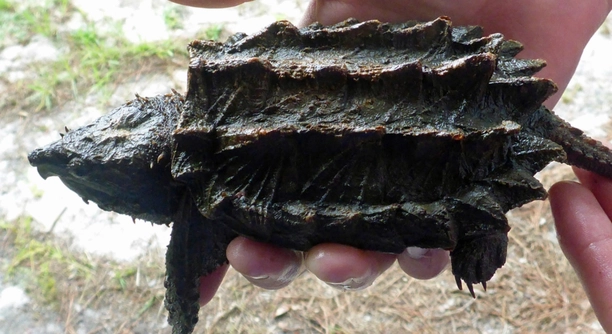
An alligator snapping turtle’s behavior can sometimes be puzzling, especially when it refuses to use its hide. Understanding the causes behind this behavior can help ensure your turtle feels safe and secure in its environment.
The main reasons for your alligator snapping turtle not using its hide include stress, improper tank conditions, or an unsuitable hiding spot. It may also refuse its hide due to illness or a lack of proper lighting and temperature.
There are several factors at play when it comes to your turtle’s comfort. Understanding these can make a huge difference in encouraging healthy behavior.
Stress and Anxiety in Alligator Snapping Turtles
Stress can be a major reason your alligator snapping turtle isn’t using its hide. Turtles are sensitive creatures, and even small changes in their environment can cause stress. Factors like loud noises, frequent handling, or even the presence of other pets can contribute to anxiety. Your turtle may seek shelter in its hide when it feels threatened or overwhelmed. If the environment is too chaotic, it might avoid its hide altogether in search of a more comfortable spot.
A stressed turtle may also exhibit other behaviors such as loss of appetite or swimming erratically. Creating a quiet and peaceful environment is key to reducing stress.
To keep your turtle calm, avoid sudden changes in its habitat. Keep it in a quiet area where it feels safe and allow it time to adjust to new conditions. Make sure that no one is disturbing it frequently, and allow it to explore its environment at its own pace.
Improper Tank Conditions
Tank conditions like improper water temperature or humidity can make your turtle feel unsafe.
Your alligator snapping turtle needs specific tank conditions to feel secure. The water temperature should range from 72 to 78°F, and the humidity level should be consistent. If the temperature fluctuates too much or is too low, your turtle may choose not to use its hide as it feels uncomfortable. Ensuring the right conditions can help your turtle feel more at ease and encourage it to explore its hiding spot.
A stable, comfortable environment is essential for the health of your alligator snapping turtle. Make sure to monitor the water and air temperature regularly to avoid any drastic shifts. If your turtle isn’t using its hide, double-check the tank conditions to see if they are up to par. Your turtle will likely feel more confident and secure once its environment is properly set up.
Unsuitable Hiding Spot
If your turtle’s hide isn’t suitable, it may avoid using it altogether. The size, shape, and location of the hide are all important factors. A hide that’s too small or poorly placed might not feel secure. Your turtle needs enough space to comfortably retreat and hide when it feels threatened.
Consider the material of the hide, too. Some turtles prefer more natural materials like rocks or logs. A hide that’s too smooth or artificial might not give the right sense of security. Also, the hide should be placed in a quiet, low-traffic area where your turtle won’t be disturbed.
Another issue could be the design of the hide itself. Your turtle needs enough room to retreat fully inside and feel safe from any potential dangers. Try experimenting with different types of hides to find one that your turtle prefers. This simple change could encourage your alligator snapping turtle to use its hide more often.
Illness or Injury
A sick or injured turtle may not use its hide as frequently. Illness can cause a turtle to feel weak, which might affect its behavior. If your turtle is experiencing pain or discomfort, it could be avoiding the hide in favor of staying in a more exposed area.
If you notice changes in your turtle’s eating habits, activity level, or behavior, it could be a sign that something is wrong. Pay close attention to any signs of injury, such as limping, swollen areas, or wounds. If you think your turtle might be unwell, consult a veterinarian immediately.
Keeping your turtle healthy and comfortable is key. Regularly check for signs of illness or injury, and make sure your turtle has the proper care it needs. If your turtle is feeling unwell, it may not be able to seek out its hide as a safe place to rest.
Poor Lighting and UVB Exposure
Inadequate lighting can discourage your turtle from using its hide. Alligator snapping turtles need proper lighting, especially UVB, to thrive. Without the right light, your turtle may feel disoriented and stressed, making it avoid its hiding space.
Ensure your turtle has access to both a basking light and UVB rays. Proper lighting helps regulate its sleep cycle and allows it to digest food properly. If the lighting is off, it may be affecting your turtle’s overall behavior, including hiding habits.
Feeding Habits
Sometimes, your turtle’s reluctance to use its hide can be linked to feeding. If the turtle is eating too much or too little, its energy levels may shift, affecting behavior. Overfeeding can cause a turtle to become lethargic and less inclined to hide.
Monitor your turtle’s diet to ensure it’s not overfed, as excessive food can disrupt its natural rhythm. A balanced, healthy diet helps maintain its energy levels and behavior, promoting healthy hiding practices.
Tank Size
The size of the tank plays a crucial role in how your turtle behaves. An alligator snapping turtle requires a spacious environment to feel secure. If the tank is too small, the turtle may feel cramped and stressed, avoiding its hide altogether.
A larger tank provides more space for your turtle to move around, explore, and find places to hide naturally. If the tank is too small, it can lead to anxiety and the avoidance of hiding spots. Make sure the tank size is appropriate for your turtle’s size and activity level.
FAQ
Why isn’t my alligator snapping turtle using its hide?
There are several reasons your alligator snapping turtle may avoid its hide. Stress from changes in its environment, improper tank conditions, unsuitable hiding spots, illness, and inadequate lighting all play a part. It’s important to identify which factor might be affecting your turtle and adjust accordingly. If the hide is too small, the water temperature is off, or the lighting is incorrect, your turtle might feel uncomfortable and not use it.
How can I reduce stress in my alligator snapping turtle?
To reduce stress, make sure your turtle’s environment is calm and stable. Avoid loud noises and keep the area around the tank quiet. Also, ensure that your turtle is not being handled too frequently. Allow it to have privacy and time to explore its habitat at its own pace. If there are other pets or animals around, ensure they don’t pose a threat to your turtle’s peace.
What should the water temperature be for an alligator snapping turtle?
The ideal water temperature for an alligator snapping turtle should range from 72°F to 78°F. Keeping the water within this range allows your turtle to stay healthy, digest food properly, and remain comfortable. Too hot or cold of water can cause stress, which might result in your turtle avoiding its hide.
Can lighting affect my turtle’s behavior?
Yes, lighting plays a critical role in the health and behavior of your turtle. Alligator snapping turtles need proper UVB lighting to synthesize vitamin D3 and metabolize calcium. Without the right lighting, your turtle could become stressed, disoriented, and less likely to use its hide. A basking light with UVB exposure will help regulate its sleep cycle and digestive functions.
How can I make the hide more attractive to my turtle?
To make the hide more appealing, ensure it is the right size for your turtle. It should allow your turtle to fully retreat inside and feel secure. Consider using natural materials like rocks or logs, as some turtles prefer these over artificial materials. Place the hide in a quiet area where your turtle won’t be disturbed frequently, and ensure it’s away from strong lighting or high-traffic areas.
Is it possible that my turtle is sick?
Yes, if your turtle is not using its hide and you notice changes in its eating habits, activity levels, or general behavior, it could be sick. Illness can cause your turtle to feel weak or in pain, making it reluctant to hide. Symptoms of illness include loss of appetite, lethargy, swollen limbs, or a lack of interest in its environment. If you suspect your turtle is unwell, consult a veterinarian who specializes in reptiles.
How do I know if my turtle is too hot or too cold?
Alligator snapping turtles are cold-blooded, meaning their body temperature depends on the environment. If your turtle is too hot or too cold, it may become lethargic and avoid hiding. If the water temperature is too low, your turtle may appear sluggish and inactive. If it’s too high, it could display erratic behavior and try to escape the tank. Use a reliable thermometer to keep the water temperature within the recommended range of 72°F to 78°F.
What type of hide is best for an alligator snapping turtle?
The best hide for your turtle should be large enough for it to fit comfortably inside. It should also have a natural, secure feel, like a rock or log, as turtles tend to prefer hiding spots that resemble their natural habitat. The hide should also be placed in a quiet, less-disturbed area of the tank, where your turtle can retreat when it feels stressed or needs rest.
Should I be concerned if my turtle refuses to hide?
If your turtle is consistently avoiding its hide, it could be a sign that something is wrong. It might be related to environmental factors like temperature, lighting, or tank conditions. It could also signal health issues, stress, or discomfort with its current hiding spot. Monitor your turtle closely for other signs of distress, and try making adjustments to its habitat.
Can my turtle’s diet affect its hiding behavior?
Yes, what your turtle eats can impact its energy levels and overall behavior. Overfeeding can make your turtle lethargic, and it may choose to stay exposed instead of hiding. On the other hand, an insufficient diet can cause your turtle to feel weak or unwell. Ensure your turtle has a balanced diet to help maintain healthy energy levels and encourage natural behavior, including using its hide when needed.
How often should I check the tank conditions?
It’s essential to check the tank conditions regularly, especially the water temperature and lighting. Ideally, you should monitor the temperature daily to ensure it stays within the correct range. Check the UVB lighting and basking light to ensure your turtle is getting the proper exposure. Also, be sure to maintain the cleanliness of the tank, as poor water quality can cause stress and other health issues.
What if my turtle seems to avoid hiding because of other pets?
If you have other pets that interact with the turtle, this can cause stress and discourage your turtle from using its hide. Some turtles feel threatened by the presence of other animals, especially if they’re not familiar with them. If possible, provide your turtle with a separate, quiet space where it feels safe and secure, away from any other pets.
Can I add plants to my turtle’s tank to make it feel safer?
Yes, adding plants can help create a more natural and secure environment for your alligator snapping turtle. Live or artificial plants can provide additional hiding spots and make the tank feel more like the turtle’s natural habitat. However, make sure the plants are safe for your turtle, as some plants can be toxic.
How can I tell if my turtle is comfortable in its tank?
A comfortable turtle will explore its environment, bask under its heat lamp, and occasionally retreat to its hide when it feels the need. If your turtle is active and moving around, it’s likely content. A stressed turtle may remain in one spot, refuse to eat, or show signs of discomfort. Regular observation will help you gauge your turtle’s comfort level.
Can I use a substrate in the tank to help with hiding?
Yes, a suitable substrate like sand, gravel, or smooth rocks can enhance your turtle’s environment and make it feel more at home. The substrate should be easy to clean and not too sharp, as it can cause injury. It can also offer a more natural hiding space where your turtle can burrow or feel more secure.
Final Thoughts
Understanding why your alligator snapping turtle is not using its hide is an important step in ensuring its well-being. Whether the issue is stress, poor tank conditions, or something related to its health, identifying the root cause will help you create a better environment for your turtle. Every factor, from temperature and lighting to the hide itself, plays a role in how your turtle behaves and feels in its habitat. By carefully examining these elements, you can make adjustments that encourage more natural behavior and help your turtle feel secure.
One of the most important things to consider is the turtle’s comfort. Alligator snapping turtles are sensitive creatures, and small changes in their surroundings can have a big impact. If your turtle is stressed, it may avoid its hide and exhibit other signs of distress. Offering a calm, quiet space and ensuring the tank conditions are optimal can make a significant difference. Pay attention to how your turtle reacts to its environment, as this can provide helpful clues about what needs to be improved.
In addition to environmental factors, remember that your turtle’s health should always be a priority. If it is not using its hide and seems lethargic, shows signs of illness, or acts differently than usual, it’s crucial to take action. Regularly check for any signs of illness or injury, and consult a vet if needed. Keeping a healthy, safe space for your alligator snapping turtle will not only encourage it to use its hide but also ensure it thrives in the long run. By focusing on both comfort and health, you can help your turtle feel at ease and develop better habits in its tank.

Hello,
If you enjoy the content that we create, please consider saying a "Thank You!" by leaving a tip.
Every little bit helps us continue crafting quality advice that supports the health, happiness, and well-being of pets around the world, for pets of all shapes, sizes, and species.
We really appreciate the kindness and support that you show us!