
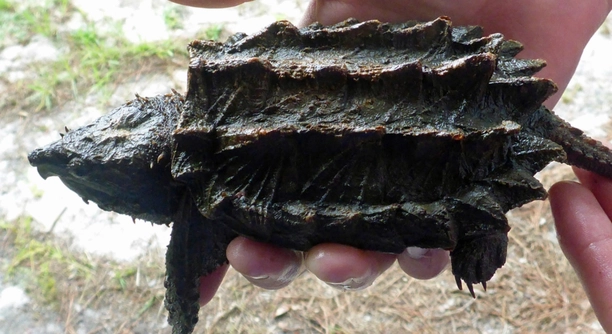
Alligator snapping turtles are fascinating creatures that require a specific environment to thrive. If you’ve noticed your turtle digging in its water bowl, it may leave you wondering why it’s doing so. Understanding this behavior is important for its care.
Digging in water bowls is often linked to a turtle’s natural instincts or health issues. It can be a sign of stress, seeking a cooler environment, or preparing to nest. Observing other behaviors may help determine the cause more clearly.
This article will help you identify why your turtle is digging and what steps you can take to provide a better habitat.
Natural Behavior
Alligator snapping turtles are instinctively diggers, and this behavior can be seen in the wild. In their natural habitat, they often dig into the soft mud or under rocks to hide, hunt, or stay safe. Their digging in the water bowl could be a way to replicate that behavior in captivity. It is essential to provide them with an environment that encourages their natural instincts without causing stress.
They may dig as a form of exploration or simply to feel secure. In the wild, turtles dig to find food or make a nest. If your turtle is digging in the water bowl, it could be a sign of this instinctual behavior resurfacing.
To address this behavior, make sure your turtle has enough space, hiding spots, and stimulation. Providing a proper substrate or bedding in their tank might help replicate their natural environment. Consider adjusting the water temperature and water quality as well.
Temperature Regulation
Sometimes, digging may indicate that your turtle is trying to regulate its temperature. If the water is too warm or too cold, the turtle may dig to find a more comfortable spot.
Temperature control is crucial for all reptiles, and the alligator snapping turtle is no exception. These turtles are sensitive to changes in their environment. If the water is too warm, your turtle may dig into the substrate to find a cooler area. Conversely, if the water is too cold, it may attempt to dig deeper to find warmth.
Proper water temperature is essential to keep your turtle comfortable and healthy. A consistent water temperature between 75°F and 80°F is ideal. To regulate this, you can use a reliable aquarium heater and thermometer to ensure the environment stays stable. Additionally, ensure there are areas within the tank where the turtle can bask if it needs to adjust its body temperature. This way, your turtle can regulate its temperature without unnecessary digging.
Stress or Health Issues
Stress is another reason why your turtle might dig in its water bowl. It could be feeling uncomfortable with the conditions in its tank or reacting to a change in its environment. Stress can come from overcrowding, changes in water conditions, or even a lack of hiding spots.
If the turtle has recently been relocated to a new tank, the sudden change could cause anxiety, leading to digging behavior. Stress can weaken the immune system, making the turtle more prone to illness. Be mindful of how your turtle responds to changes and give it time to adjust to its new environment.
To reduce stress, make sure the tank has enough space, clean water, and a comfortable temperature. Offering hiding spots or adding plants can help your turtle feel more secure. If the digging persists or worsens, it’s a good idea to check for any potential health issues like shell infections or parasites. A visit to the vet can rule out any underlying problems.
Nesting Behavior
Female alligator snapping turtles may dig to prepare for nesting. This can happen even in a tank if the turtle feels the need to lay eggs. It’s a natural instinct that drives them to dig in search of a suitable spot for egg-laying, even when it’s not required in captivity.
If your turtle begins digging in its water bowl frequently, it could be signaling a nesting urge. While this is more common in the breeding season, turtles can still experience these instincts year-round. If the water quality or tank environment is unsuitable, they might look for alternatives to dig in.
To prevent this, consider adjusting the temperature and ensuring your turtle has enough space to explore. Adding nesting areas like soft soil or a separate land area within the tank can help. This will allow your turtle to feel comfortable without the need to dig unnecessarily in the water.
Water Quality Issues
Water quality plays a significant role in your turtle’s overall health. If the water is dirty or poorly maintained, it can lead to your turtle digging in an attempt to create a cleaner or more comfortable environment. Dirty water can irritate their skin and eyes, causing stress.
Changing the water regularly and ensuring proper filtration is essential. Turtles, especially alligator snappers, produce a lot of waste, which can quickly pollute the water. A good filtration system is necessary to maintain a clean, healthy habitat. You should aim for a water change at least once a week.
Keep an eye on water parameters like pH, ammonia, and nitrate levels. Using water conditioners can help balance the water, making it more suitable for your turtle. By improving water quality, you can reduce the digging behavior linked to discomfort and ensure a healthier environment for your turtle.
Boredom and Lack of Stimulation
Alligator snapping turtles are intelligent creatures that need mental stimulation. If they are not provided with enough activities, they may start digging out of boredom. This behavior can be a sign they are looking for something to engage with in their environment.
To prevent boredom, consider adding enrichment items to their tank, such as rocks, logs, or plants for them to explore. You can also offer them different foods to challenge their natural foraging skills. A more interactive environment can help keep them entertained and reduce the likelihood of digging.
Tank Size and Space Constraints
If your turtle’s tank is too small, it may feel cramped and stressed, leading to digging. A larger tank provides your turtle with the space it needs to move around and exhibit natural behaviors.
Alligator snapping turtles need enough room to explore, swim, and dig safely without feeling confined. A tank that is too small can cause stress, leading to unwanted behaviors like digging in the water bowl. A spacious environment supports both their physical and mental health, allowing them to feel more comfortable.
Shell Health
Digging behavior can sometimes be related to shell health. Turtles may dig to alleviate discomfort or irritation caused by shell issues, such as infections or parasites. This can happen if the turtle is trying to seek relief from pain.
Keep an eye on your turtle’s shell for signs of damage or discoloration. If your turtle is digging excessively and showing signs of injury, a visit to the vet may be necessary. Regular checks can help catch any health issues early, ensuring your turtle’s well-being.
FAQ
Why is my alligator snapping turtle digging in its water bowl?
Digging in the water bowl can be due to a variety of reasons. It may be a natural behavior, as alligator snapping turtles are instinctive diggers. They could be mimicking their wild behavior of searching for food or shelter. If your turtle is a female, it might also be attempting to dig for nesting. Environmental stress, such as improper water temperature, poor water quality, or lack of space, can also lead to this digging behavior. Providing better conditions may help reduce or eliminate the digging.
How can I stop my turtle from digging?
The first step to stop your turtle from digging is ensuring its environment is comfortable. Make sure the water temperature is within the ideal range, which is around 75°F to 80°F. Clean the water regularly and install a proper filtration system. Consider adding hiding spots and substrates in the tank, which will provide both enrichment and more space. If your turtle is a female, giving her a designated nesting area could also help. Regularly monitoring your turtle’s behavior will also help determine any changes you need to make.
Is my turtle stressed when it digs?
Yes, digging can be a sign of stress. If your turtle feels unsafe or uncomfortable in its environment, it may dig as a way to cope. Stress can be caused by poor water quality, inadequate space, changes in temperature, or the presence of other aggressive tank mates. To reduce stress, ensure your turtle has a proper tank size, clean water, and a stable temperature. Adding plants or hiding places can help your turtle feel more secure.
Can my turtle get hurt from digging?
While digging is a natural behavior, excessive or aggressive digging can potentially cause harm to your turtle, especially if it’s trying to dig in unsuitable spots or materials. If the tank has sharp rocks or hard surfaces, it could lead to scratches or damage to its shell. It’s important to provide safe substrates for digging, like soft sand or soil, to avoid injury. Additionally, ensure the tank setup is free from sharp or hazardous objects.
How often should I clean my turtle’s water?
It is essential to clean your turtle’s water regularly to prevent the build-up of waste, which can lead to poor water quality and health problems. Depending on the size of the tank and the filtration system, water should be changed at least once a week. In addition to regular water changes, check the filter every few days to make sure it is functioning properly. This will help keep the water clean and reduce the chance of stress-related digging.
What is the best substrate for an alligator snapping turtle’s tank?
The best substrate for an alligator snapping turtle is one that replicates their natural environment while also being safe. Soft sand or fine gravel works well for turtles to dig in, as it mimics the soft mud they would encounter in the wild. Avoid using sharp gravel or stones, as these can injure your turtle. Also, ensure the substrate is easy to clean and doesn’t harbor harmful bacteria.
Do I need to provide a basking area for my alligator snapping turtle?
Yes, all turtles, including alligator snapping turtles, need access to a basking area. This allows them to regulate their body temperature and dry off after swimming. The basking area should have a heat lamp to maintain a temperature of around 90°F to 95°F. It’s important to provide a spot where your turtle can easily climb out of the water and bask, which will help reduce stress and improve overall health.
Can an alligator snapping turtle live in a tank with other turtles?
Alligator snapping turtles are typically solitary creatures and can be aggressive toward other turtles. They have powerful jaws and might see smaller tank mates as food. It’s best to keep them in a separate tank to avoid potential injury to other turtles. If you do wish to house them with others, ensure they are of similar size and monitor their behavior closely.
How can I tell if my turtle is unhealthy?
Signs of an unhealthy alligator snapping turtle can include a lack of appetite, lethargy, irregular swimming patterns, shell discoloration or softness, and abnormal digging behavior. If your turtle is showing these signs, it could indicate an underlying health issue such as an infection, parasites, or improper water conditions. It’s best to consult a veterinarian who specializes in reptiles to get a proper diagnosis and treatment.
Should I provide my turtle with live food?
Live food can be a great way to stimulate your alligator snapping turtle’s hunting instincts and provide variety in its diet. They naturally eat live fish, invertebrates, and small animals in the wild. You can offer live food like minnows, crickets, or worms. However, it’s important to ensure that the live food is healthy and free of pesticides or diseases. It’s also important to avoid overfeeding them with live prey, as it can lead to obesity or other health issues.
How big should my alligator snapping turtle’s tank be?
Alligator snapping turtles are large and need ample space to thrive. The minimum tank size should be 75 to 100 gallons for one adult turtle. The tank should have enough swimming space and room for your turtle to move around comfortably. As your turtle grows, you might need to upgrade to an even larger tank to accommodate its size. Adequate space is essential to reduce stress and encourage natural behaviors.
Final Thoughts
Alligator snapping turtles are fascinating creatures, but understanding their behaviors is key to providing them with the best care. If your turtle is digging in its water bowl, it’s important to look at various factors such as their natural instincts, environment, and health. Digging is often a normal behavior, especially when they are trying to regulate their temperature, search for food, or even prepare for nesting. However, it’s essential to assess whether the digging is linked to stress or discomfort in the tank, which could indicate that adjustments are needed.
Creating a comfortable and enriching environment for your turtle is the first step to reduce unwanted digging. This includes maintaining proper water temperature, ensuring clean water, and providing enough space for the turtle to move around. Adding hiding spots and substrates for digging can help satisfy your turtle’s natural instincts, while also making sure it feels secure. It’s also important to monitor the turtle’s behavior closely to ensure that the digging is not a sign of something more serious, like a health issue. Regular vet visits can help ensure your turtle remains in good health and alert you to any problems early.
Ultimately, understanding why your alligator snapping turtle digs will help you make the necessary adjustments to improve its environment. Whether it’s a sign of stress, temperature regulation, or natural behavior, making simple changes can lead to a happier, healthier turtle. By providing proper care and attention to the tank setup, you can reduce unwanted digging and give your turtle the space it needs to thrive in its captive environment.

Hello,
If you enjoy the content that we create, please consider saying a "Thank You!" by leaving a tip.
Every little bit helps us continue crafting quality advice that supports the health, happiness, and well-being of pets around the world, for pets of all shapes, sizes, and species.
We really appreciate the kindness and support that you show us!