
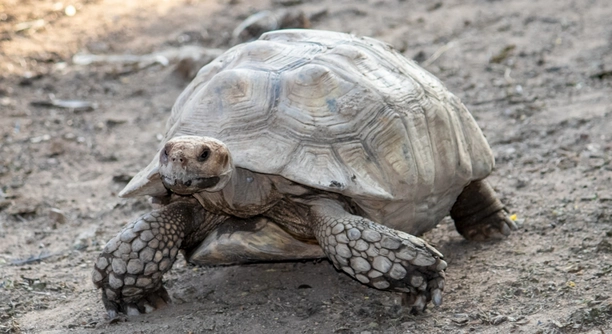
Tortoises are unique pets, and it can be puzzling when they spend so much time hiding. If you’ve noticed this behavior, it may be helpful to understand why your tortoise prefers to stay out of sight.
Your tortoise is likely hiding under objects because it feels secure in those spaces. This behavior can be due to stress, discomfort, or simply a natural instinct to seek refuge. It’s essential to identify the cause.
Understanding your tortoise’s hiding habits will help you create a comfortable environment for them. A few simple changes can make a big difference in their behavior and overall well-being.
Stress and Fear Can Make Them Hide
Stress and fear are common reasons why a tortoise might hide under objects. If something in its environment feels threatening—such as loud noises, sudden movements, or even changes in temperature—the tortoise may retreat to a hidden spot. This is a defense mechanism, helping it feel safe from potential danger. A new pet, unfamiliar smells, or even a change in routine can trigger stress.
Your tortoise might simply need time to adjust to new surroundings. If it’s a recent change, be patient and allow them to explore at their own pace.
Keeping their habitat calm and stable is key to reducing stress. Place the tortoise in a quiet area, free from sudden noises or disturbances. Make sure its living space has plenty of hiding spots to give it a sense of security. This will encourage your tortoise to feel more comfortable and explore during the day instead of retreating.
Temperature and Humidity Can Affect Their Behavior
Tortoises are sensitive to their environment, especially the temperature and humidity levels. If the temperature in their enclosure is too hot or too cold, or if the humidity is off, they might seek shelter to regulate their body temperature.
A tortoise needs a temperature gradient in its habitat, with a warm area for basking and a cooler area for resting. Too much heat can make them feel overwhelmed, while too little can cause discomfort. Humidity is also crucial, as it helps keep their skin and respiratory system in good condition.
Check the temperature and humidity regularly with a thermometer and hygrometer to ensure the conditions are ideal. If the temperature is too high, move the tortoise to a cooler space, or adjust its heating sources. If it’s too cold, consider adding a heat lamp to regulate the warmth. Keep the humidity at a comfortable level to prevent skin issues. By maintaining a balanced environment, your tortoise will feel less inclined to hide.
Lack of Hiding Spaces Can Cause Anxiety
Tortoises need hiding spots to feel secure. Without enough shelters or dark spaces, they may try to find other places to hide. A lack of these spaces can lead to stress, making them retreat under objects.
If your tortoise seems stressed, try adding more hiding spots in its habitat. You can use plants, rocks, or small boxes that create a sense of safety. This will give them options to retreat when they need rest. A well-designed habitat makes them feel protected, promoting better behavior and health.
Remember, tortoises are naturally shy and prefer to have a private area to retreat to when needed. Offering them places to hide ensures they feel in control of their space. It also helps reduce their anxiety, keeping them more active and comfortable in their environment.
Illness or Injury May Lead Them to Hide
If your tortoise is not feeling well or has an injury, it may seek shelter to rest and heal. Hiding is a common response when they feel unwell, as they instinctively protect themselves. Illness or pain can make them less active, which results in them retreating under objects.
Monitor your tortoise’s behavior for signs of illness, such as lack of appetite, lethargy, or swelling. If they are hiding more than usual or displaying unusual behavior, it could be a signal they are not feeling well. In such cases, it’s important to consult with a veterinarian for a proper diagnosis.
A sick tortoise will need extra care, proper hydration, and a stress-free environment to recover. Offering a calm and quiet space helps them heal faster, as long as they are not in pain. Always address health concerns promptly to ensure your tortoise stays happy and healthy.
Age and Natural Behavior
As tortoises age, they may become less active and more inclined to seek out hiding spots. This natural behavior is often linked to a decline in energy levels. Older tortoises are more likely to hide and rest more frequently.
Aging tortoises need more quiet time and less interaction. This doesn’t mean they are unwell; they are just adjusting to their slower pace. Make sure their environment is still comfortable and that they have all the resources they need to stay healthy, like proper food, hydration, and temperature control.
Improper Lighting Can Cause Stress
Tortoises need proper lighting for their well-being. Inadequate UVB lighting can disrupt their natural circadian rhythm, leading to stress and hiding behavior. Without the right light, they can feel confused and unsafe.
UVB light helps tortoises synthesize vitamin D3, which is essential for strong bones and overall health. Make sure your tortoise has access to a high-quality UVB light source for at least 12 hours a day. A timer can help maintain consistency. Proper lighting encourages healthy behaviors and reduces the urge to hide, allowing your tortoise to thrive.
Overfeeding Can Lead to Hiding
Tortoises can sometimes hide because they’re overfed, leading to discomfort or digestive issues. If they eat too much, they may feel sluggish or heavy, prompting them to retreat under objects to rest.
Overfeeding can disrupt their natural digestion, making them more likely to hide until they feel better. It’s important to feed them the right amount of food based on their size and age. A balanced diet with the right portions will help keep them active and prevent hiding due to discomfort.
FAQ
Why is my tortoise hiding more than usual?
Hiding is a natural behavior for tortoises, especially when they feel stressed, insecure, or unwell. If your tortoise is hiding more than usual, it could be due to changes in its environment, such as temperature shifts or new additions to its habitat. Stress, discomfort, or illness are also common causes. Ensure their living space is calm and free of disturbances. A proper temperature range, humidity, and enough hiding spots are essential to reducing stress.
Can my tortoise be hiding because it’s too cold?
Yes, tortoises may hide if they are too cold. They are ectothermic, meaning they rely on external temperatures to regulate their body heat. If their environment is too cold, they may seek warmth by hiding or becoming more inactive. Ensure they have access to a temperature gradient in their habitat, with a warmer area for basking and cooler areas for resting. A heat lamp or ceramic heater may help maintain the right temperature.
Is my tortoise hiding because it’s scared?
Tortoises can hide when they feel scared or threatened. If there has been a change in their routine or a new pet in the home, it can cause anxiety. Loud noises, sudden movements, or even unfamiliar smells can make them retreat. To alleviate their fear, ensure their environment is quiet and stable. Providing plenty of hiding spots will help them feel safe and secure.
Could my tortoise be sick if it’s hiding?
Hiding can be a sign that your tortoise is not feeling well. Illness, injury, or discomfort can cause a tortoise to withdraw and seek shelter. If your tortoise is eating less, moving slower, or showing other unusual behavior, it might be unwell. In such cases, it’s important to consult with a veterinarian for an accurate diagnosis and treatment plan. Stress from improper lighting or temperature can also cause hiding behavior, so make sure those are within optimal ranges.
How do I know if my tortoise is stressed?
Signs of stress in a tortoise include hiding more often, loss of appetite, lethargy, or unusual aggression. Stress can be caused by various factors, such as a sudden change in environment, a noisy or busy living area, improper lighting, or temperature issues. A stressed tortoise may also show signs of dehydration or poor skin condition. Ensure that the habitat is calm, and consider any recent changes that may have upset your tortoise. Regularly check temperature and humidity to prevent stress-related behavior.
Should I worry if my tortoise is always hiding?
If your tortoise is constantly hiding, it’s important to assess its environment and health. Frequent hiding could indicate stress, improper habitat conditions, or illness. Review their diet, temperature, humidity, and overall comfort. If there’s no obvious cause for the behavior, or if your tortoise shows other signs of illness, consulting a veterinarian is a good idea.
Can improper lighting cause my tortoise to hide?
Yes, improper lighting, especially inadequate UVB exposure, can cause a tortoise to hide. UVB light helps them process calcium and maintain strong bones. Without it, tortoises may feel disoriented, weak, or stressed. Make sure your tortoise has access to UVB lighting for at least 12 hours a day. This will help maintain their health and reduce hiding behavior caused by discomfort. Regularly check the lightbulb and replace it as needed, since UVB output diminishes over time.
What can I do if my tortoise is hiding due to an injury?
If your tortoise is hiding due to an injury, it’s essential to provide a quiet and comfortable space for recovery. Check for any signs of visible injury, such as swelling, cracks, or open wounds. If you notice anything unusual, it’s best to consult a vet immediately. While the tortoise rests, make sure it has a calm environment and access to food and water. Keeping the temperature at a comfortable level will also help speed up recovery.
How can I make my tortoise’s habitat more comfortable?
To make your tortoise feel secure and comfortable, ensure that its habitat includes the right balance of temperature, humidity, and hiding spots. Provide a temperature gradient, with a warmer basking area and a cooler resting area. Include multiple hiding spots, such as rocks, plants, or boxes, to give your tortoise places to retreat when needed. Make sure their enclosure is clean and free of any hazards, and offer a varied diet for overall health.
Can overfeeding cause my tortoise to hide?
Yes, overfeeding can lead to hiding behavior. If your tortoise is overfed, it may feel sluggish or uncomfortable, which may cause it to retreat under objects to rest. Overeating can also lead to digestive issues. Ensure you’re feeding your tortoise the proper amount of food based on its age and size. A balanced diet and consistent feeding schedule can help prevent overfeeding and associated hiding behavior.
Do young tortoises hide more often than adults?
Young tortoises may hide more often because they are still adjusting to their environment. They are often more sensitive to changes and may seek shelter when feeling insecure. As they grow and become more accustomed to their surroundings, they may hide less frequently. However, young tortoises still need ample hiding spots to feel safe and secure, just like adults. Always ensure their habitat provides the right conditions to support their development.
Can I use a heat lamp to stop my tortoise from hiding?
Yes, using a heat lamp is an effective way to provide your tortoise with a suitable basking area. A heat lamp creates a warm spot in their enclosure, allowing them to regulate their body temperature. If your tortoise is hiding due to cold or discomfort, a heat lamp can encourage them to spend more time basking and less time hiding. Just make sure the temperature is within the recommended range, and avoid placing the lamp too close to prevent overheating.
Final Thoughts
Understanding why your tortoise hides can help you create a better environment for it. Whether it’s due to stress, temperature issues, or simply natural behavior, knowing the cause can make a big difference in your tortoise’s well-being. Some hiding is normal, especially if your tortoise is adjusting to its surroundings or is feeling a little unsure of its space. However, when hiding becomes excessive or is accompanied by signs of illness, it’s important to address the issue quickly. Keeping your tortoise’s habitat clean, calm, and comfortable is key to making sure it feels safe.
To ensure your tortoise doesn’t hide too much, create an environment that mimics its natural habitat. This means providing adequate warmth, UVB lighting, and plenty of hiding spots. Giving your tortoise a variety of places to hide, such as rocks or plants, will help reduce anxiety and stress. Pay attention to temperature and humidity levels, as improper conditions can cause discomfort and make your tortoise retreat. Regularly monitor these factors and make adjustments as needed. If your tortoise shows signs of illness, such as loss of appetite or lethargy, consult a vet to rule out any health concerns.
In the end, it’s important to be patient and observe your tortoise’s behavior. It may take time for your tortoise to adjust to changes in its environment, and occasional hiding is normal. However, by providing the right conditions, you can reduce the chances of hiding becoming a long-term issue. A balanced diet, appropriate lighting, and a peaceful environment will help your tortoise feel secure and comfortable in its space. Understanding your tortoise’s needs and behavior will ensure its happiness and health in the long run.

Hello,
If you enjoy the content that we create, please consider saying a "Thank You!" by leaving a tip.
Every little bit helps us continue crafting quality advice that supports the health, happiness, and well-being of pets around the world, for pets of all shapes, sizes, and species.
We really appreciate the kindness and support that you show us!