
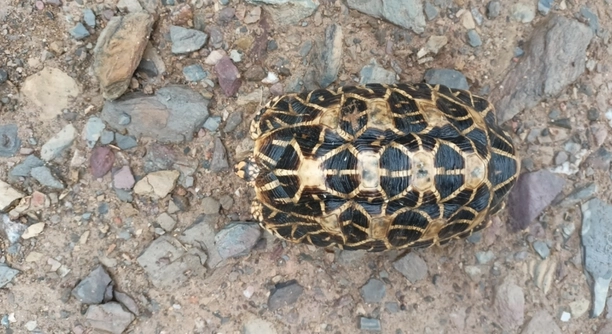
Is your star tortoise’s shell looking uneven, making you wonder what might be causing the changes? Shell irregularities can be concerning, especially when they appear unexpectedly. Understanding the possible reasons can help you determine whether your tortoise needs special care.
An uneven shell in star tortoises is often caused by improper diet, rapid growth, or inadequate humidity levels. Other factors like genetics, illness, or metabolic bone disease can also contribute. Monitoring environmental conditions and providing proper nutrition can help maintain a healthy, well-formed shell.
Environmental conditions and diet play a major role in your tortoise’s shell development. Learning about these factors will help you identify potential issues and take the right steps to support your pet’s health.
Improper Diet and Nutrition
A poor diet can lead to an uneven shell in star tortoises. These tortoises require a high-fiber, low-protein diet with plenty of calcium to support healthy shell growth. Feeding too many high-protein foods, such as excessive fruits or animal-based products, can cause rapid growth and shell deformities. Additionally, a lack of calcium and vitamin D3 can result in metabolic bone disease, which weakens the shell and causes irregular development. Providing a diet rich in leafy greens, grasses, and calcium supplements ensures proper growth. A balanced diet helps maintain a smooth, well-formed shell over time.
A well-rounded diet prevents serious health problems. Star tortoises thrive on a natural diet similar to what they would eat in the wild. Feeding them the right foods daily will reduce the risk of shell abnormalities and other growth-related issues.
If your tortoise’s shell is already showing signs of uneven growth, adjust its diet immediately. Introduce calcium-rich foods like dandelion greens and calcium powder supplements to support shell health. Exposure to natural sunlight or UVB lighting is also crucial for proper calcium absorption. Consistently providing the right nutrition will help slow down abnormal growth and encourage a more even shell structure over time.
Inadequate Humidity Levels
Low humidity levels can negatively affect a star tortoise’s shell. These tortoises originate from regions with moderate humidity, and maintaining the right moisture levels is essential for proper growth. Without sufficient humidity, their shells can develop irregularities, becoming bumpy or pyramided.
A humidity level between 50% and 70% is ideal for star tortoises. If the enclosure is too dry, the shell may harden too quickly, leading to uneven growth. High humidity helps the scutes develop at a steady rate, preventing pyramiding. Regular misting, maintaining a proper substrate, and using a humid hide can help regulate moisture levels effectively.
If your tortoise’s enclosure lacks humidity, make adjustments as soon as possible. Use a substrate that retains moisture, such as coconut coir or cypress mulch, and mist the enclosure daily. Providing a shallow water dish and placing a humid hide in the habitat will also help maintain consistent humidity. Keeping the environment stable will promote healthier shell development.
Rapid Growth
Fast growth can cause a star tortoise’s shell to develop unevenly. Overfeeding or providing excessive protein leads to accelerated growth, which puts stress on the shell and results in irregular shaping. Slowing down the growth rate by offering a controlled diet helps maintain a more even shell structure.
A diet that promotes slow, steady growth is essential. Tortoises that grow too quickly often experience shell pyramiding, where scutes rise unevenly. Feeding too much food or offering high-calorie items like excessive fruits and pellets can contribute to this issue. Instead, focus on feeding fibrous greens, grasses, and occasional vegetables while limiting high-protein foods. Monitoring portion sizes and feeding on a set schedule prevents excessive growth. Adjusting their diet early can help correct minor irregularities before they become permanent.
Proper lighting and temperature also play a role in controlling growth. Tortoises need a warm environment with access to UVB light to metabolize calcium properly. Without it, their shells may grow unevenly even with a good diet. Ensure your tortoise has a well-regulated basking area and consistent temperatures throughout the enclosure. A stable environment combined with a balanced diet will support gradual, healthy growth and prevent long-term shell issues.
Genetic Factors
Some star tortoises are naturally born with slight shell irregularities due to genetics. These variations do not always indicate health problems, but they can affect the shell’s overall appearance. If a tortoise has a genetic predisposition to uneven shell growth, environmental adjustments may only have a limited effect.
Genetics play a role in determining shell shape, size, and growth patterns. If a tortoise comes from a bloodline with a history of pyramiding or asymmetry, it may develop similar traits regardless of diet or habitat conditions. While these changes are not reversible, ensuring proper care can prevent further deformities. Even if genetics influence a tortoise’s shell, maintaining ideal humidity, nutrition, and UVB exposure will still promote the healthiest possible development.
Breeding practices also impact shell growth. Captive-bred tortoises may inherit traits from their parents that lead to irregularities. Responsible breeding focuses on selecting tortoises with strong, well-formed shells to reduce the chances of passing on undesirable traits. While genetic factors cannot be changed, providing the best possible care helps minimize their impact on overall shell development.
Incorrect UVB Exposure
Star tortoises need proper UVB lighting to process calcium effectively. Without enough exposure, their shells can grow unevenly, leading to deformities. A UVB bulb that covers at least half of the enclosure, combined with natural sunlight when possible, helps maintain healthy shell growth and prevents irregular development.
Low-quality or expired UVB bulbs do not provide enough ultraviolet radiation. Replacing bulbs every six months ensures they produce the necessary levels for calcium absorption. Positioning the bulb at the correct distance and providing a basking spot with both heat and UVB light will support even shell formation over time.
Poor Enclosure Setup
An enclosure that lacks proper temperature gradients, humidity, and space can contribute to uneven shell growth. Star tortoises need a well-ventilated habitat with consistent warmth and humidity levels to support normal development. Without these conditions, their shells may grow abnormally, affecting their overall health and movement.
Frequent Handling
Too much handling can stress a star tortoise and disrupt its natural growth process. Stress affects their eating habits and overall development, which can lead to irregular shell formation. Limiting handling to necessary interactions helps reduce stress and supports healthier growth over time.
FAQ
Can an uneven shell be fixed?
Minor unevenness can sometimes improve with proper care, but severe deformities are usually permanent. Ensuring a well-balanced diet, proper UVB exposure, and stable humidity levels can help slow further irregular growth. While existing abnormalities may not disappear, maintaining the right conditions prevents the shell from worsening over time.
Does diet affect shell shape?
Yes, diet plays a major role in shell development. Too much protein or excessive food can cause rapid growth, leading to shell deformities. Feeding a diet rich in grasses, leafy greens, and occasional vegetables helps maintain steady, controlled growth. Avoid high-protein foods like excessive pellets or animal-based proteins.
How much UVB does a star tortoise need?
Star tortoises need 10–12 hours of UVB exposure daily. A high-quality UVB bulb that mimics natural sunlight is essential for calcium absorption. Without it, their shells can develop irregularly. Replacing UVB bulbs every six months and providing outdoor sunlight when possible supports healthy shell growth.
Can handling cause shell irregularities?
Frequent handling can cause stress, which may affect a tortoise’s eating and activity levels. While occasional handling is fine, excessive interaction can disrupt normal growth patterns. Limiting unnecessary handling allows the tortoise to focus on eating, basking, and developing a more even shell structure.
Is humidity important for shell health?
Yes, maintaining proper humidity levels is essential for star tortoises. Low humidity can lead to pyramiding, while excessive moisture can cause shell rot. Keeping humidity levels between 50–70% supports smooth shell growth. Regular misting, proper substrate, and a shallow water dish help maintain ideal conditions.
What happens if a tortoise’s shell grows too fast?
Rapid growth often leads to pyramiding, where the scutes raise unevenly. This is usually caused by excessive protein or overfeeding. Slowing down growth with a balanced diet and proper habitat conditions can help minimize further shell deformities, but existing changes may not fully reverse.
Do genetics influence shell shape?
Genetics can contribute to uneven shell growth. Some tortoises are naturally prone to slight irregularities due to inherited traits. While environmental factors play a significant role, some shell deformities are unavoidable. Providing optimal care can help reduce the severity of genetically influenced shell irregularities.
Can an improper enclosure setup cause shell deformities?
Yes, a poorly maintained enclosure can negatively affect shell growth. Inconsistent temperatures, lack of UVB lighting, and improper humidity levels contribute to uneven development. A spacious, well-ventilated habitat with the right environmental conditions helps ensure even, healthy shell growth over time.
What should I do if my tortoise’s shell looks uneven?
Assess the diet, lighting, humidity, and overall enclosure setup. Make necessary adjustments to ensure proper care. If the unevenness is severe or getting worse, consulting a reptile veterinarian can help determine the best course of action to support healthy shell development.
Final Thoughts
An uneven shell in a star tortoise is often a result of improper diet, inadequate UVB exposure, or inconsistent humidity. While some cases are genetic, most can be managed with the right care. Paying close attention to nutrition, lighting, and enclosure conditions helps prevent further shell irregularities. Slow, steady growth is key to maintaining a smooth and healthy shell. If a tortoise’s shell looks uneven, checking for issues early can make a difference. Small adjustments in care can improve long-term health, even if existing shell changes do not completely reverse.
Creating the right environment is essential for proper shell development. A spacious enclosure with controlled humidity, a high-quality UVB light, and a balanced diet promotes even growth. Avoiding high-protein foods, ensuring proper calcium intake, and allowing exposure to natural sunlight whenever possible all contribute to shell health. Regular health checks help catch potential problems early. If significant unevenness appears, consulting a reptile veterinarian can provide guidance on further steps.
Caring for a star tortoise requires patience and consistency. Shell deformities may not always be reversible, but preventing further issues is possible with proper care. Understanding how diet, lighting, and humidity affect shell growth makes it easier to provide the best conditions. A well-maintained habitat, along with proper nutrition and hydration, supports overall well-being. By focusing on long-term care, a star tortoise can thrive with a strong, well-developed shell.

Hello,
If you enjoy the content that we create, please consider saying a "Thank You!" by leaving a tip.
Every little bit helps us continue crafting quality advice that supports the health, happiness, and well-being of pets around the world, for pets of all shapes, sizes, and species.
We really appreciate the kindness and support that you show us!