
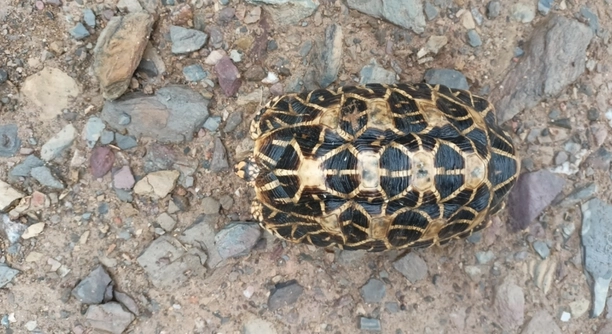
A star tortoise’s shell turning white can be a concerning sight. This change may occur for several reasons that vary in severity, from environmental conditions to health issues. Understanding the causes is essential for proper care.
The white appearance on a star tortoise’s shell is often caused by either shedding, fungal infections, or dietary imbalances. Environmental stressors, such as inadequate humidity or improper lighting, can also lead to discoloration. Immediate attention can prevent further complications.
Identifying the cause early can help you address the issue effectively. Proper care and adjustments to their habitat are key to maintaining your star tortoise’s health.
Shedding and Natural Changes
Star tortoises naturally shed their scutes, which are the outer layers of their shells. As they grow, their shells undergo a process of sloughing off old, worn-out layers to make room for new growth. This process can sometimes result in patches that appear white. It’s a normal part of their development, especially for young tortoises. During shedding, the shell may look dull or discolored temporarily.
The frequency of shedding depends on the tortoise’s age and environment. It can occur more frequently in younger tortoises, while older ones shed less often. Ensuring that your tortoise has the right conditions to shed properly, like appropriate humidity levels and temperature, is essential.
If you notice your tortoise shedding, it’s crucial to ensure that it’s a gradual process and not excessive. Abrupt or abnormal shedding could point to other underlying issues, such as poor nutrition or stress, which may require further attention.
Fungal Infections
Fungal infections can also cause white spots to appear on your tortoise’s shell. These infections often manifest as patches that might appear dry or flaky. They are typically caused by high humidity levels combined with poor ventilation.
To prevent fungal growth, make sure your tortoise’s enclosure is dry and well-ventilated. Regular cleaning of the enclosure, along with using a proper substrate, will help reduce the risk of fungal infection. If an infection is suspected, it’s important to seek veterinary care immediately to prevent it from spreading further.
Diet and Nutritional Deficiencies
Poor nutrition can lead to a white appearance on your tortoise’s shell. A lack of proper vitamins and minerals can weaken the shell and cause discoloration. The most common deficiency is calcium, which is crucial for shell health. Ensuring a balanced diet with appropriate supplements can prevent these issues.
A star tortoise’s diet should include leafy greens, vegetables, and occasional fruits. It’s important to offer a variety of food to meet all nutritional needs. Calcium supplementation, especially in the form of powdered supplements or cuttlebone, can help support proper shell development. Ensure that the food is rich in nutrients to maintain a healthy, vibrant shell.
If a white shell is caused by nutritional issues, adjusting the diet can often improve the condition over time. Consistent, well-rounded nutrition will ensure a healthier tortoise and reduce the risk of shell discoloration in the future.
Habitat and Environmental Stress
Environmental stress can affect a star tortoise’s shell, leading to white patches or discoloration. This stress is often caused by improper humidity, temperature, or lighting. Tortoises need a specific climate to thrive, and any deviation from this can result in changes to their shell.
Maintaining an appropriate habitat includes ensuring proper humidity and temperature levels, as well as providing adequate UVB lighting. Humidity should be kept moderate, not too high or too low, as both extremes can stress the tortoise. UVB lighting is crucial for their shell and bone health, as it helps with calcium absorption. If the enclosure is too hot or cold, or if the light isn’t sufficient, it may cause discoloration and even weaken their shells over time.
Overexposure to Sunlight
Overexposure to direct sunlight can lead to white spots on a star tortoise’s shell. While UVB lighting is important, excessive direct sunlight can cause damage. It’s crucial to provide a balance between natural light and shade in their environment.
Excessive sun exposure can lead to dehydration, overheating, and sunburns, which may manifest as white patches on their shell. It’s important to monitor the amount of time your tortoise spends under direct sunlight. Ensure they have access to shaded areas and water at all times to avoid these issues and protect their shell from damage.
Injury or Trauma
Injuries or trauma can result in white patches on a tortoise’s shell. If the tortoise experiences a fall, bite, or rough handling, it may lead to shell damage. This can cause a white, discolored area to form as the shell heals.
A damaged shell may take time to heal, and during this process, the white spots may be visible. Providing the tortoise with a safe, secure environment to prevent further injury is crucial. If the injury is severe, consulting a veterinarian will ensure the proper treatment to help the shell recover without complications.
FAQ
Why is my star tortoise’s shell turning white?
A white shell can be due to shedding, fungal infections, nutritional deficiencies, environmental stress, sun overexposure, or injury. Each cause requires a different approach, so it’s important to assess their diet, habitat, and any signs of illness to determine the exact reason. Regular monitoring of your tortoise’s shell and behavior will help identify the cause sooner.
How can I tell if my star tortoise’s shell is shedding or if it’s a health issue?
When shedding, the shell will typically appear dull, flaky, or develop patches. It’s a gradual process, and the white spots should not appear suddenly. If the white areas are irregular, dry, or accompanied by swelling or discharge, it may indicate a health issue, such as a fungal infection or nutritional deficiency. In that case, consult a veterinarian for a proper diagnosis.
What should I do if I suspect my tortoise has a fungal infection?
If you notice white, flaky patches on your tortoise’s shell, it’s best to consult a veterinarian. A fungal infection can spread quickly, and treatment is necessary to prevent damage. In the meantime, improve the humidity levels in their enclosure and ensure proper ventilation to discourage further fungal growth. A vet may recommend antifungal treatments or topical creams.
Can a star tortoise recover from shell discoloration caused by poor nutrition?
Yes, a star tortoise can recover from nutritional deficiencies with proper diet adjustments. Adding calcium and vitamin supplements to their food, along with a variety of leafy greens, can help restore shell health over time. Ensure a balanced diet rich in necessary nutrients, and the shell should regain its normal color. Recovery depends on the severity of the deficiency and how quickly the issue is addressed.
Is it common for star tortoises to shed their shells?
Yes, shedding is a normal process for star tortoises, particularly when they are young and growing. Older tortoises shed less frequently, but shedding still occurs. During shedding, you may notice some patches of the shell turning white or dull. It’s a natural process, as new scutes replace the old ones. Ensure they are kept in a proper environment to support healthy shedding.
How can I provide the right environment for my star tortoise to prevent shell discoloration?
Ensure the habitat has a stable temperature range of 80–90°F (27–32°C) with access to both sunny and shaded areas. Maintain proper humidity levels and provide UVB lighting for at least 10–12 hours a day. A clean, well-ventilated enclosure with an appropriate substrate will reduce stress and prevent health issues that can affect the shell’s appearance.
Can overexposure to sunlight cause permanent damage to my tortoise’s shell?
Overexposure to sunlight can lead to temporary shell discoloration, but it is not typically permanent if addressed quickly. If a tortoise is left in direct sunlight for extended periods without access to shade or water, it may become overheated or dehydrated, leading to shell damage. Protect your tortoise by providing shelter and monitoring exposure times.
Should I worry if my star tortoise has white spots after an injury?
If the white spots appear after an injury, they could be a sign of the shell healing. It’s important to check the area for any cracks or visible damage. Shell injuries can take time to heal, and it’s essential to prevent further stress or trauma. If the white spots don’t go away or worsen, consult a vet for advice on proper treatment.
How often should I feed my star tortoise to prevent shell discoloration?
Feed your star tortoise a balanced diet every other day, including leafy greens, vegetables, and occasional fruits. If you’re supplementing with calcium or vitamins, ensure you follow the recommended dosage to avoid over-supplementation. A consistent and well-rounded diet will help maintain overall health and prevent issues like shell discoloration caused by nutritional deficiencies.
What are the best supplements for my star tortoise’s shell health?
Calcium is crucial for shell development and maintenance. A calcium supplement, such as cuttlebone or powdered calcium, should be added to your tortoise’s food. Vitamin D3 is also essential for calcium absorption. If you’re unsure about which supplements to use, consult a veterinarian to get a proper recommendation based on your tortoise’s specific needs.
Final Thoughts
Addressing the cause of a star tortoise’s white shell is crucial for its overall health. Whether it’s due to shedding, nutritional deficiencies, environmental stress, or injury, understanding the source of the issue allows you to take proper steps for recovery. If you notice white patches, it’s important to assess your tortoise’s diet, habitat, and any possible external factors that may be contributing to the problem. Regularly monitoring their behavior and shell condition will help identify any issues early on, ensuring that your tortoise remains healthy.
A balanced diet plays a significant role in preventing shell discoloration. Providing the right nutrients, including calcium and vitamin D3, will help maintain a strong, healthy shell. Supplements like cuttlebone or powdered calcium can support this process, ensuring your tortoise’s shell remains vibrant and sturdy. It’s also important to avoid overfeeding, as obesity can strain the tortoise’s health. By focusing on providing a varied and nutritious diet, you can prevent many health problems that contribute to shell discoloration.
Finally, maintaining the proper environment is just as important. A star tortoise needs a stable habitat with the right temperature, humidity, and lighting conditions. Ensuring that your tortoise has access to both sun and shade, along with proper UVB lighting, can reduce stress and support its overall well-being. Regular cleaning and monitoring of its environment can prevent issues like fungal infections or dehydration, which may cause white spots. By staying attentive and proactive, you can provide the best care for your star tortoise, allowing it to live a long, healthy life.

Hello,
If you enjoy the content that we create, please consider saying a "Thank You!" by leaving a tip.
Every little bit helps us continue crafting quality advice that supports the health, happiness, and well-being of pets around the world, for pets of all shapes, sizes, and species.
We really appreciate the kindness and support that you show us!