
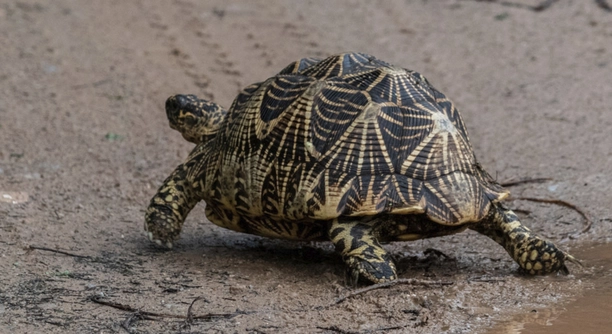
If you own a star tortoise, you might notice its shell changing color over time. A common concern among tortoise owners is when their pet’s shell turns white. Understanding the causes behind this can be crucial for their health.
The white coloration on a star tortoise’s shell may result from various factors, including dehydration, improper diet, insufficient UV light exposure, or fungal infections. These issues can lead to changes in the shell’s appearance, signaling underlying health concerns.
Knowing the reasons for your tortoise’s shell discoloration is important for maintaining its well-being. By understanding the causes, you can make adjustments to improve its care.
Dehydration: A Common Cause of White Shells
Dehydration is one of the main reasons your star tortoise’s shell might start turning white. When your tortoise isn’t getting enough water, its body starts to show signs of stress, and the shell can become lighter. The shell may also lose its natural shine and appear dull or chalky. This is often linked to insufficient humidity levels or a lack of drinking water. Tortoises are sensitive to dehydration, and it can be harmful to their health if left unaddressed.
You can fix this by ensuring your star tortoise has access to fresh water every day. Additionally, spraying its environment with water to increase humidity can also help prevent dehydration.
It’s important to monitor your tortoise’s hydration levels closely. Providing a shallow water dish and soaking your tortoise in warm water a few times a week can help keep it hydrated. Remember, a hydrated tortoise is a healthy tortoise, and its shell should reflect that.
Improper Diet and Nutrition
An improper diet can also lead to discoloration of your star tortoise’s shell. Without the right balance of nutrients, your tortoise might develop unhealthy shells. A poor diet, lacking the right vitamins and minerals, especially calcium and vitamin D, can cause the shell to appear white or faded.
A well-balanced diet is essential. You should feed your star tortoise dark leafy greens like kale, dandelion greens, and collard greens. Offering occasional fruits such as strawberries and melons is also good. Additionally, ensure they have access to a calcium supplement, which is critical for their shell development.
Over time, an improper diet can lead to long-term shell deformities. If you notice a white shell, it’s time to evaluate the food you’re offering your pet. Proper nutrition is key to keeping your star tortoise healthy and its shell vibrant.
Insufficient UV Light Exposure
Tortoises need plenty of UV light for healthy shell growth. UV light helps them produce vitamin D3, which is essential for calcium absorption. Without proper UV exposure, your star tortoise’s shell can start to lose its color and turn white. Too little UV light often leads to weak shells and other health problems.
To prevent this, make sure your tortoise has access to a UVB light source for around 10-12 hours each day. If your pet spends most of its time indoors, an artificial UVB light is essential. However, if it spends time outdoors, natural sunlight can provide the UV rays needed.
UV light is just as important as food and water. Without it, your tortoise will struggle to absorb nutrients properly, leading to weakened bones and shells. Make sure to regularly check the UVB light for effectiveness and replace it when needed to maintain your tortoise’s health.
Fungal Infections: A Hidden Threat
Sometimes, a fungal infection can cause your star tortoise’s shell to turn white. Fungi can grow on the shell, especially if the tortoise’s habitat is too damp or dirty. These infections often result in white patches or spots on the shell. If not treated, it could spread and cause further damage to the shell and overall health of your tortoise.
To prevent fungal growth, keep your tortoise’s living space clean and dry. Ensure that the substrate used in the habitat is dry and regularly cleaned. If you suspect a fungal infection, consult a veterinarian for proper diagnosis and treatment. Fungicides might be needed to treat the infection and restore your tortoise’s shell to its natural color.
Keeping the living space clean and dry will help reduce the risk of fungal infections and other skin problems. Regularly inspect your tortoise’s shell for signs of infection, such as white patches, and seek treatment if necessary. Healthy living conditions are crucial for your star tortoise’s well-being.
Overexposure to Sunlight
While UV light is essential, too much exposure to direct sunlight can harm your star tortoise’s shell. Overexposure can cause burns and stress, making the shell appear white or faded. This is especially an issue if your tortoise is left outside without shade.
It’s important to balance sunlight exposure. If you take your tortoise outdoors, ensure there is a shaded area for it to retreat to. Avoid leaving it in the sun for extended periods, as it can cause overheating and dehydration. A few hours of sun per day are usually enough, but make sure it always has access to shade.
Excessive heat from the sun can also affect the shell’s integrity over time, causing discoloration. You should always monitor your tortoise’s environment carefully, whether indoors or outside, to avoid too much heat exposure. An outdoor pen with areas of shade will help your tortoise feel safe and comfortable while being outside.
Stress and Environmental Changes
Star tortoises are sensitive to stress, and environmental changes can have a noticeable impact on their shell. Stress from frequent handling, loud noises, or sudden changes in temperature can result in a white or faded shell. It’s crucial to keep their habitat stable.
Maintaining a consistent environment helps reduce stress. Keep your tortoise in a quiet area where it won’t be frequently disturbed. Ensure the temperature and humidity levels stay steady and avoid moving the enclosure too often. When your tortoise feels safe and secure, it will be less likely to experience stress-related issues.
Stress can weaken your tortoise’s immune system, making it more vulnerable to illnesses and shell discoloration. Providing a calm, stable environment will help keep your tortoise healthy and its shell in good condition. Avoiding stress is key to supporting your tortoise’s overall well-being.
Shell Rot
Shell rot can cause your star tortoise’s shell to develop white, soft spots. This condition is often caused by bacterial or fungal infections, typically due to poor habitat conditions. When the tortoise’s shell becomes damaged or weakened, bacteria can infiltrate, leading to discoloration and damage.
If you notice white patches or soft areas on your tortoise’s shell, it may be shell rot. This requires immediate veterinary attention, as untreated shell rot can worsen. Keeping the habitat clean and dry can help prevent this condition. Ensuring the shell remains dry and protected from injury is crucial in avoiding rot.
Prompt treatment is necessary to prevent further damage to your tortoise’s shell. A vet may recommend topical treatments or even antibiotics to treat the infection. Healthy shell care includes regular cleaning and proper care to avoid rot.
Improper Substrate
Using the wrong substrate in your star tortoise’s habitat can lead to shell discoloration, especially if it retains too much moisture. A substrate that is too wet can cause your tortoise’s shell to develop white spots or areas of discoloration. It’s important to choose the right material for your pet’s enclosure.
Dry, absorbent substrates like coconut coir or hay are best for star tortoises. Avoid substrates that are too damp, as they can create a breeding ground for bacteria and fungi. Regularly change the substrate to prevent buildup and maintain a clean environment. This will help keep your tortoise’s shell healthy.
The wrong type of substrate can also affect your tortoise’s health beyond its shell, such as causing respiratory problems. By choosing a suitable substrate, you help ensure your tortoise’s comfort and long-term health, preventing conditions like shell discoloration and infection.
FAQ
What should I do if my star tortoise’s shell is turning white?
If your star tortoise’s shell is turning white, the first step is to identify the underlying cause. Check for signs of dehydration, stress, improper diet, or environmental issues. Ensure that your tortoise is properly hydrated and eating a balanced diet with sufficient calcium. Also, ensure it has access to adequate UV light, as this is critical for shell health. If you notice any signs of shell rot, fungal infections, or injury, consult a vet immediately for treatment. Monitoring the environment for consistency and cleanliness is key to preventing future issues.
Can dehydration really cause my tortoise’s shell to turn white?
Yes, dehydration is one of the leading causes of shell discoloration. When your star tortoise does not get enough water, its body begins to show signs of stress, often resulting in a white or dull shell. Tortoises are particularly sensitive to dehydration, and it can affect their overall health. To avoid this, ensure your tortoise has access to clean, fresh water at all times. You can also soak your tortoise in shallow, lukewarm water a few times a week to help with hydration.
How can I tell if my tortoise’s shell is suffering from a fungal infection?
Fungal infections often show up as white patches or spots on your star tortoise’s shell. If the white areas are soft or mushy to the touch, it could indicate that the infection is more severe. Fungal infections can develop in moist environments, especially if the habitat is not cleaned properly. You may also notice a foul odor or discoloration around the infected area. If you suspect a fungal infection, it is essential to consult a veterinarian for diagnosis and treatment. Keep the habitat dry and clean to prevent further infections.
Is it safe for my tortoise to be outside in the sun for long periods?
Star tortoises do need sunlight for proper UV exposure, which is essential for calcium absorption. However, overexposure to direct sunlight can lead to overheating, dehydration, and potential burns. It’s best to limit your tortoise’s time in the sun and always provide shade or an area where it can retreat from the heat. A few hours a day are usually sufficient. If your tortoise is outside for extended periods, ensure it has access to water and a shaded spot to avoid stress and injury.
What is the best diet for my star tortoise to prevent a white shell?
A healthy diet is crucial for maintaining a star tortoise’s shell health. Offer a variety of dark leafy greens, such as dandelion greens, collard greens, and kale. You can also provide occasional fruits, such as strawberries or melon, but they should not be the main part of the diet. A calcium supplement, either sprinkled on the food or provided in a cuttlebone, is also essential for shell health. Avoid feeding high-protein foods like meat or processed items. A balanced, natural diet supports healthy shell growth and can prevent discoloration.
How do I know if my tortoise is stressed?
Stress in tortoises can manifest in a few ways, including changes in behavior and shell discoloration. If your star tortoise is frequently hiding, not eating, or becoming more aggressive, these could be signs of stress. Changes in temperature, habitat noise, or constant handling can contribute to stress. To help your tortoise feel safe, create a quiet, stable environment. Avoid frequent disturbances and ensure the temperature and humidity levels are consistent. Stress is harmful in the long run, and providing a peaceful space for your tortoise is essential for its health.
Is shell rot contagious to other tortoises?
Shell rot is caused by bacterial or fungal infections, which can spread to other tortoises in the same environment if proper precautions are not taken. If one tortoise shows signs of shell rot, it is important to isolate it from others to prevent transmission. Regularly clean and disinfect the enclosure to reduce the risk of bacterial and fungal spread. Infected tortoises should be treated immediately by a veterinarian, and their habitat should be thoroughly cleaned to eliminate any lingering infection.
What environmental changes could cause my tortoise’s shell to turn white?
Environmental stressors such as temperature fluctuations, changes in humidity, or improper lighting can cause your tortoise’s shell to turn white. For example, a sudden drop in temperature can stress your tortoise, leading to discoloration. Similarly, inadequate lighting, particularly a lack of UVB light, can prevent proper calcium absorption, which is necessary for healthy shell development. Keep your tortoise’s environment stable and ensure the habitat is set up correctly, with proper heat and UV light sources, to avoid shell issues.
How often should I soak my star tortoise to keep its shell healthy?
Soaking your star tortoise about two to three times a week in shallow, lukewarm water can help with hydration and shell health. This practice helps maintain proper moisture levels, especially if your tortoise is dehydrated or in a dry environment. Soaking also supports healthy digestion. Be careful not to leave your tortoise in the water for too long, as this can cause stress or make it too cold. Regular soaking, along with proper hydration and a healthy diet, helps maintain the condition of your tortoise’s shell.
Can overfeeding cause my star tortoise’s shell to turn white?
Overfeeding can lead to various health issues for your star tortoise, but it’s unlikely to directly cause the shell to turn white. However, feeding your tortoise too much, particularly high-protein foods, can lead to obesity or poor shell growth. This can result in weakened bones or discoloration. Stick to feeding your tortoise a balanced diet with appropriate portion sizes. Too much food can also lead to other issues like respiratory problems or shell deformities, which might indirectly affect the shell’s appearance. Keep portion sizes under control for optimal health.
Can shell discoloration be a sign of old age in tortoises?
As tortoises age, some natural discoloration may occur due to changes in their diet, metabolism, or environmental conditions. While minor changes in color might be normal as they grow older, a sudden or significant change, such as the shell turning white, is usually a sign of an underlying health issue. It’s important to monitor the overall condition of your tortoise and consult a vet if you notice unusual changes. Aging tortoises still require proper care to ensure their shell stays healthy and vibrant.
Maintaining the health of your star tortoise’s shell is crucial for its overall well-being. If you notice the shell turning white, it is important to address the issue as soon as possible. A variety of factors can cause this change in color, from dehydration to improper lighting, diet, or even infections. By understanding the reasons behind these changes, you can take the necessary steps to prevent further damage and improve your tortoise’s health. Early intervention is key, so monitoring their habitat and care routine regularly can help catch any potential issues before they become serious.
Making sure your star tortoise has a well-balanced diet, access to UVB light, and a clean, stable environment are the foundation of proper shell care. Dehydration can easily be avoided by ensuring your tortoise has access to fresh water and is hydrated through regular soaking. A diet rich in calcium and essential vitamins will also support a healthy, strong shell. Additionally, providing a habitat that is free of harmful bacteria and fungi is important. Regular cleaning and maintaining appropriate temperature and humidity levels will help avoid issues like shell rot or fungal infections.
Lastly, if the discoloration continues or worsens despite your efforts, it is important to consult a veterinarian. Professional advice and treatment are often necessary to address more serious health problems, such as fungal infections or shell rot. Your tortoise’s shell health is a good indicator of its overall condition, so keeping it in top shape should be a priority. With proper care, your star tortoise will thrive and continue to enjoy a long, healthy life. Keep a close eye on any changes in behavior, appearance, or health, and don’t hesitate to take action when needed.

Hello,
If you enjoy the content that we create, please consider saying a "Thank You!" by leaving a tip.
Every little bit helps us continue crafting quality advice that supports the health, happiness, and well-being of pets around the world, for pets of all shapes, sizes, and species.
We really appreciate the kindness and support that you show us!