
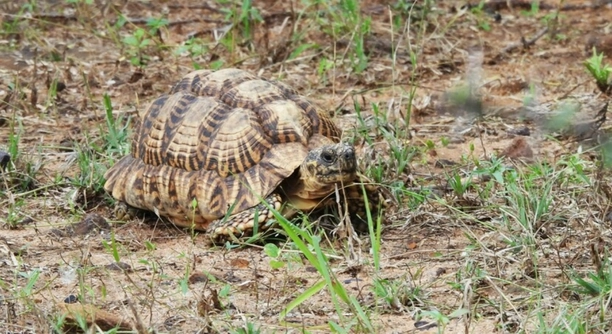
Sometimes, you may notice that your star tortoise refuses to come out of its shell. This behavior can be worrying, especially if you’re not sure why it’s happening. Understanding the causes behind this can help keep your tortoise happy and healthy.
The most common reasons why your star tortoise stays in its shell include stress, temperature issues, health problems, or environmental factors. A change in its surroundings or an injury can cause it to retreat and remain hidden for protection.
By learning about the reasons behind this behavior, you can better address any issues your star tortoise may be facing. It’s important to ensure the right conditions for your tortoise’s well-being.
Stress from Changes in Environment
Changes in your star tortoise’s environment can lead to stress, making it hide in its shell. Tortoises are creatures of habit, and even small changes in their habitat can be unsettling for them. Whether it’s a new decoration, a shift in lighting, or moving their enclosure to a new location, they may retreat into their shell as a response. This is a natural defense mechanism. If the stress continues, it can affect their eating habits and overall health. It’s crucial to maintain a stable and quiet environment to reduce stress for your tortoise.
If you’ve recently altered their living space, try reverting to the original setup. This might help them feel more secure and comfortable. If they don’t respond quickly, give them some time.
Additionally, make sure their environment is calm and safe. Star tortoises thrive in predictable settings where they feel secure. Minimize loud noises and avoid sudden changes to keep them from getting overwhelmed. Providing them with a consistent routine, including feeding time and light cycles, can also help them adjust and feel at ease. Consistent care can prevent long-term stress, helping your tortoise feel more confident and less likely to hide.
Temperature Imbalance
Temperature plays a crucial role in your star tortoise’s activity levels. If the temperature in their enclosure is too low or too high, they may retreat into their shell. Tortoises rely on external heat sources to regulate their body temperature. Without the right balance, they can become sluggish and seek refuge in their shell.
To help your tortoise, check the temperature regularly with a reliable thermometer. The ideal temperature should range between 75°F and 85°F during the day, with a basking spot around 90°F. Ensure that the night temperature doesn’t drop below 70°F. Maintaining these ranges helps your star tortoise stay active and comfortable.
If your tortoise is hiding more than usual, check the temperature carefully. A sudden fluctuation in temperature or incorrect lighting can cause stress and a lack of appetite. If you notice that your tortoise isn’t eating or moving much, consider adjusting the temperature. Providing proper heating lamps or UVB lights can also make a huge difference in your tortoise’s behavior.
Health Issues
Health problems are another reason your star tortoise may stay hidden in its shell. Illnesses or injuries can make them feel vulnerable, and hiding in the shell provides comfort and protection. Common health issues for star tortoises include respiratory infections, shell rot, or digestive problems.
If your tortoise isn’t coming out, check for other signs of illness. Look for swelling, unusual discharge, or lethargy. If you notice any of these signs, a visit to the vet is essential. Respiratory infections, for example, often cause coughing, wheezing, or a runny nose. These conditions can quickly worsen if not treated promptly.
Addressing health issues early is key to preventing long-term harm. Ensuring that your tortoise has a healthy diet and clean living environment will go a long way in preventing diseases. Regularly inspecting your tortoise for any visible signs of injury or infection can help you catch problems early, allowing you to give them the proper care.
Overfeeding
Overfeeding can lead to your star tortoise retreating into its shell. If they are eating too much, they may feel sluggish or uncomfortable, preferring to hide instead of moving around. This can result in them becoming less active and reluctant to engage with their surroundings.
A balanced diet is essential. Too many high-fat or rich foods can cause digestive issues, leading to discomfort. Avoid overfeeding them with high-protein foods, and stick to a variety of greens, vegetables, and some fruits. Keep their portion sizes in check to ensure they are not overeating.
Inadequate Lighting
Poor lighting can cause your star tortoise to retreat into its shell. Without proper UVB lighting, they can experience vitamin D3 deficiency, leading to weak bones and a lack of energy. Tortoises rely on UVB rays to synthesize vitamin D3, which is crucial for calcium absorption.
Investing in a quality UVB light is essential for your tortoise’s health. These lights simulate sunlight and allow your star tortoise to produce vitamin D3 naturally. If they don’t get enough UVB exposure, they may become lethargic and hide in their shell. Make sure the light is placed properly and replaced regularly.
Lack of Space
If your star tortoise feels cramped, it may retreat into its shell due to limited space. Tortoises need plenty of room to roam and explore, and if their enclosure is too small, they can become stressed or anxious.
Ensure that their habitat is spacious enough for them to move freely. The larger the enclosure, the better. A cramped environment can make them feel unsafe, causing them to hide more often. You can also add hiding spots or natural elements like rocks to encourage them to explore.
FAQ
Why is my star tortoise not eating?
If your star tortoise isn’t eating, it could be due to several reasons. Stress, illness, or improper temperature conditions are common culprits. When stressed, tortoises may lose their appetite and hide in their shell. Temperature imbalance is another factor—if the environment is too cold or too hot, they might not feel comfortable enough to eat. Check the temperature in their enclosure, and ensure it’s within the ideal range of 75°F to 85°F during the day. Additionally, if you notice any signs of illness, like nasal discharge or swollen eyes, it’s best to consult a vet.
How can I tell if my star tortoise is stressed?
Signs of stress in a star tortoise include hiding for extended periods, loss of appetite, and unusual behaviors like pacing in the enclosure. If they are constantly hiding or showing little interest in their environment, it could be a sign they’re feeling overwhelmed. Stress can also result from sudden changes in their surroundings or the presence of loud noises. Keeping the enclosure environment stable and quiet, with proper temperature and lighting, can help alleviate stress. Also, watch for any changes in their behavior that could signal discomfort or illness.
What should I feed my star tortoise?
Star tortoises need a diet rich in fiber, with a variety of greens and vegetables. Good options include dandelion greens, collard greens, and endive. You can also provide some fruits like papaya, melon, and berries, but they should be fed in moderation. Avoid feeding them too much protein, as it can cause health issues. Offer fresh food daily, but be mindful of portion sizes to avoid overfeeding. You can also supplement their diet with calcium and vitamin D3 to ensure they are getting the necessary nutrients for healthy shell growth and bone development.
How often should I clean my star tortoise’s enclosure?
Cleaning your star tortoise’s enclosure regularly is important for their health and hygiene. You should clean their habitat at least once a week, removing any uneaten food, waste, and debris. Spot clean more frequently, especially if your tortoise has a habit of defecating in one area. You’ll also need to disinfect the enclosure occasionally, using reptile-safe cleaning products. Make sure to rinse everything thoroughly to remove any cleaning residue. Keeping their living space clean helps prevent the buildup of harmful bacteria and parasites, promoting a healthier environment for your tortoise.
Can I handle my star tortoise often?
Handling your star tortoise occasionally is fine, but it’s important not to overdo it. Tortoises are not social animals and can become stressed from too much handling. If you do handle them, do so gently and avoid sudden movements. Always make sure your hands are clean and free of any chemicals that could harm them. Allow them to explore their environment on their own terms, as this is where they feel safest. Overhandling can lead to stress, which could affect their overall well-being.
How long do star tortoises live?
Star tortoises have a relatively long lifespan, living anywhere from 50 to 100 years in the wild. In captivity, with the right care, they can live to be 80 years or older. Their lifespan depends on several factors, including diet, living conditions, and overall health. Providing proper lighting, temperature, and a balanced diet will help your tortoise live a long and healthy life. Regular vet checkups and ensuring they’re free from parasites and diseases also contribute to their longevity.
What temperature should I keep my star tortoise’s enclosure?
The ideal temperature for a star tortoise’s enclosure is between 75°F and 85°F during the day. At night, it should not drop below 70°F. It’s important to have a basking spot with a temperature of around 90°F. This will allow your tortoise to regulate its body temperature by moving between cooler and warmer areas. Make sure you have a heat source, such as a heat lamp or ceramic heater, that provides consistent warmth. Keep in mind that sudden temperature changes can cause stress, so maintain a stable environment for your tortoise.
Can star tortoises live outside?
Yes, star tortoises can live outside, provided the climate is warm enough and the environment is safe. They need an enclosure that is secure and escape-proof, with plenty of space to roam. The outdoor habitat should have access to both sunny and shaded areas so they can regulate their body temperature. Be mindful of the weather—if it gets too cold or rainy, you should bring your tortoise indoors. In regions where temperatures drop below 70°F, it’s best to keep them indoors in a well-maintained enclosure with proper heating.
Why is my star tortoise’s shell turning soft?
A soft shell can be a sign of calcium deficiency or improper UVB lighting. Star tortoises require sufficient calcium for healthy shell development, and without enough calcium, their shells may become soft or deformed. UVB lighting is also crucial, as it helps them produce vitamin D3, which is necessary for calcium absorption. Make sure your tortoise has access to proper UVB light for about 10 to 12 hours a day, and consider supplementing their diet with calcium powder. If the condition persists, consult a veterinarian to rule out other potential health issues.
How do I know if my star tortoise is dehydrated?
Dehydration in star tortoises can lead to lethargy, loss of appetite, and a lack of activity. You might notice that their skin appears dry or their eyes look sunken. Providing a shallow water dish and soaking your tortoise in warm water a couple of times a week can help prevent dehydration. Always make sure fresh water is available in their enclosure. Proper hydration is essential for their overall health, as it aids in digestion and supports their shell growth. If you suspect dehydration, ensure they are drinking enough and consider adjusting their water exposure routine.
Final Thoughts
Understanding why your star tortoise may not be coming out of its shell is key to ensuring its health and well-being. Many factors can contribute to this behavior, from stress and environmental changes to health issues and improper diet. Identifying the root cause will allow you to make the necessary adjustments to their habitat or routine, helping your tortoise feel more comfortable and secure. It’s important to be patient, as changes in behavior can sometimes take time to correct, but providing a stable and calm environment is often the first step toward improvement.
Maintaining the proper temperature, lighting, and diet for your tortoise is essential. These reptiles rely on specific conditions to thrive, and when these are not met, they can become lethargic or withdrawn. A consistent daily routine, a spacious and clean environment, and a balanced diet will encourage your star tortoise to stay active and healthy. If you notice signs of stress, illness, or discomfort, it’s always a good idea to consult with a veterinarian who specializes in reptiles to rule out any medical issues.
Overall, by ensuring that your star tortoise has the right care, you can help them live a long, happy life. Small adjustments to their environment and routine can make a big difference. Whether it’s addressing stress factors, ensuring proper nutrition, or creating a comfortable habitat, your star tortoise will benefit from your attentiveness. Keep an eye on their behavior and make changes as needed to keep them safe and content.

Hello,
If you enjoy the content that we create, please consider saying a "Thank You!" by leaving a tip.
Every little bit helps us continue crafting quality advice that supports the health, happiness, and well-being of pets around the world, for pets of all shapes, sizes, and species.
We really appreciate the kindness and support that you show us!