
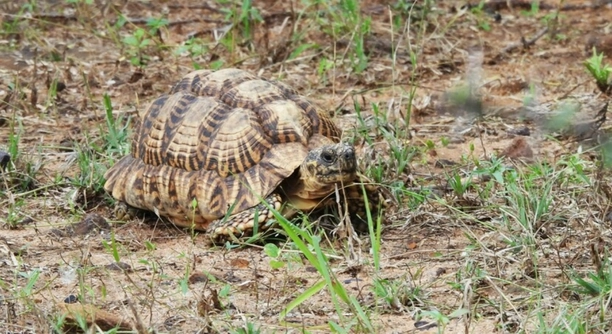
Your star tortoise may often seem eager to climb, but this behavior can be puzzling. If you’ve noticed it frequently trying to scale its enclosure or objects in its habitat, you’re not alone. Many tortoise owners experience this.
Star tortoises may attempt to climb due to natural instincts or environmental factors such as seeking out food, exploring, or escaping. They are curious creatures by nature and may also climb to seek warmth or a better view of their surroundings.
There are several factors that influence this behavior. From enclosure setup to temperature conditions, understanding these reasons will help you create a more comfortable environment for your tortoise.
Star Tortoises Are Naturally Curious Creatures
Star tortoises, like many reptiles, have a strong sense of curiosity. This can drive them to explore their surroundings, including attempting to climb objects or structures in their enclosure. In the wild, they may have climbed over rocks, plants, or other terrain to search for food or find a better spot for basking in the sun. This instinct is deeply ingrained, even in a captive environment. Your tortoise may climb because it’s seeking something that interests it, whether it’s food, a different view, or even just trying to feel more comfortable.
Climbing is a natural part of their behavior. It’s important to recognize that they’re not doing this out of frustration or boredom, but out of a deep-rooted need to explore.
The natural instinct to climb isn’t necessarily a sign of stress. It’s simply how they interact with their surroundings. If they climb, it’s because they’re engaging with their environment the best way they know how. As long as the environment is safe, this behavior is usually harmless.
Inadequate Space May Contribute to Climbing
If the enclosure isn’t large enough, your star tortoise may try to climb more often. A cramped space can make them feel confined, prompting them to search for an escape or a change in scenery.
Your tortoise’s enclosure should be spacious enough to allow movement and exploration. Tortoises need room to stretch out, roam, and behave naturally. If their habitat is too small, they may start climbing in an attempt to find more room. This might also lead to unwanted stress or injury if the climbing surfaces are unsafe or unstable.
Make sure that their enclosure offers enough space for the tortoise to move freely without hitting walls or obstacles too often. Adequate space can reduce the likelihood of excessive climbing and ensure your tortoise feels comfortable. Additionally, a larger area allows you to add more enrichment, like hiding spots or small obstacles that encourage healthy exploration without needing to climb.
Temperature Variations and Climbing Behavior
If your star tortoise’s habitat is too hot or too cold, it may try to climb in search of a more comfortable spot. They are sensitive to temperature changes and will often seek out areas that provide warmth or shade. If they feel too hot or too cold, climbing can become a way to escape uncomfortable conditions.
Proper temperature regulation in the enclosure is vital to your tortoise’s well-being. You’ll want to create areas with a heat source, like a basking lamp, and cooler zones where your tortoise can retreat if it gets too warm. If your tortoise climbs frequently, it could be trying to find these temperature gradients. Without these areas, it might try to climb higher to reach better conditions.
You should monitor the temperature regularly to make sure it’s within a suitable range for your star tortoise. Aim for a basking area between 90-95°F and a cooler zone around 75-85°F. Regular checks on the temperature can help prevent excessive climbing behavior caused by discomfort.
Diet and Climbing Behavior
A poor diet can lead to climbing, particularly if the tortoise is not getting enough food or the right nutrients. Star tortoises are known to be herbivores, and their diet should be primarily made up of grasses, leaves, and flowers. When they aren’t receiving proper nutrition, they may try to climb to search for food or new sources of nourishment.
A star tortoise’s climbing could also be linked to its need to find a better food source. Ensure that your tortoise’s diet includes a variety of fresh, high-fiber plants that mimic what it would find in the wild. Without sufficient food or proper diet variety, it may resort to climbing in search of more.
Make sure you’re offering enough food each day to meet their needs. You can also enrich their environment with food-hiding spots or fresh plants to keep them engaged and satisfied. A nutritious, balanced diet can reduce the need for climbing as your tortoise will be getting what it needs from its food.
Stress and Anxiety
Stress is another factor that can cause your star tortoise to climb. Changes in its environment, such as loud noises, new pets, or even a change in routine, can trigger stress. This stress might lead the tortoise to climb, seeking a way to escape the source of discomfort.
If your star tortoise seems particularly agitated or climbs excessively, stress could be the cause. Removing potential stressors, such as loud sounds or disturbances in its environment, might help. Providing hiding spots, like a cave or a piece of wood, can also offer security and reduce climbing behavior.
Managing your tortoise’s environment and making sure it feels safe and secure can help prevent stress-related climbing.
Lack of Enrichment
If there isn’t much in the enclosure for your tortoise to interact with, it may turn to climbing as a way to stay busy. Tortoises are curious and need stimulation to stay mentally healthy. A lack of enrichment can cause them to look for ways to entertain themselves.
Offering different textures and objects to climb on or explore can reduce climbing behavior. Adding things like rocks, logs, or plants can encourage exploration without your tortoise feeling the need to climb excessively. Keeping your tortoise engaged is crucial to its happiness and well-being.
Adding enrichment doesn’t have to be complicated, but it can go a long way in preventing climbing.
Habitat Size
If the habitat is too small, your star tortoise will feel restricted and may climb to try to find more space. A cramped living area can make them more anxious and lead to behaviors like climbing or attempting to escape. Make sure the enclosure is large enough to give your tortoise room to roam.
A proper-sized enclosure allows your tortoise to move around naturally, which can help reduce climbing behavior. It’s best to create a large space that mimics their natural habitat as much as possible. A tortoise needs space to feel secure and happy.
If your tortoise is constantly climbing, it may be an indicator that it needs a bigger space to thrive.
FAQ
Why does my star tortoise climb the walls of its enclosure?
Your star tortoise may climb the walls of its enclosure due to curiosity or a desire to escape. Tortoises are naturally exploratory, and if the environment is too small or lacks enrichment, they may try to climb to search for more space or to find something of interest. It’s important to ensure that the enclosure is spacious enough and offers enough stimulation.
How can I stop my star tortoise from climbing?
To stop your tortoise from climbing, make sure its habitat is large enough and provides a variety of items to explore. If climbing seems excessive, you might need to rearrange the enclosure to make it feel safer and more engaging. Adding hiding spots, logs, and plants will allow the tortoise to interact with its environment in other ways.
Is climbing a sign of stress in my star tortoise?
Yes, climbing can be a sign of stress. If the tortoise feels uncomfortable, it might climb as a way to escape or avoid stressful stimuli. Changes in temperature, sudden noises, or the presence of other pets can stress out a star tortoise. Ensuring a stable, quiet, and secure environment is key to reducing stress-induced climbing.
How do I know if my star tortoise is stressed?
Stress in a star tortoise can be shown through excessive climbing, hiding, or refusal to eat. If the tortoise is acting out of character, like being unusually active or reclusive, it could indicate that something is wrong in its environment. Observing behavior and eliminating potential stressors is important for its health.
Can climbing harm my star tortoise?
Climbing itself doesn’t usually harm a star tortoise, but it can lead to injuries if they fall or attempt to climb something unstable. Be sure that the surfaces in the enclosure are safe and won’t cause your tortoise to slip or fall from a height. A safe enclosure is essential for avoiding accidents.
How do I ensure my star tortoise has enough space?
To ensure your star tortoise has enough space, choose an enclosure that allows them to move freely. A general rule of thumb is at least 4 square feet of space for an adult star tortoise, though larger enclosures are always better. The tortoise should be able to walk around without feeling cramped or restricted.
Does temperature affect my tortoise’s climbing behavior?
Yes, temperature can affect climbing behavior. If the enclosure is too hot or too cold, your tortoise may climb in search of a more comfortable temperature zone. It’s important to have a temperature gradient in the enclosure, with a basking spot on one side and a cooler area on the other, to give the tortoise a choice.
How can I prevent my tortoise from climbing out of its enclosure?
To prevent your star tortoise from climbing out, make sure the walls of the enclosure are high enough to deter escape. A good height is at least 12 inches, depending on your tortoise’s size. You should also check that the enclosure is secure and free of gaps where it could squeeze through.
What is the best way to provide enrichment for my star tortoise?
Enrichment can be provided by offering a variety of textures and objects to interact with. Rocks, logs, plants, and even shallow water dishes can encourage your tortoise to explore without climbing. Hiding spots for food and toys to dig around also stimulate your tortoise’s curiosity and provide mental stimulation.
How often should I change the setup in my tortoise’s enclosure?
Changing the setup of your tortoise’s enclosure every few months is a good idea to keep things interesting. Moving objects around, introducing new textures, or adding plants can keep your star tortoise engaged. A change in the environment can also encourage natural behaviors and prevent excessive climbing.
Does diet play a role in climbing behavior?
Yes, an improper diet can lead to climbing behavior. If your star tortoise isn’t getting the proper nutrients, it might try to climb in search of something else. Make sure you’re offering a variety of fresh, high-fiber plants. A proper diet helps reduce the urge to climb in search of more food.
Can stress from other pets cause my star tortoise to climb?
Yes, stress from other pets can make your star tortoise more likely to climb. If there are loud or fast-moving animals nearby, like dogs or cats, it could cause your tortoise to feel unsafe. Try to keep your tortoise in a quiet area, away from other pets that may cause anxiety.
How do I know if my star tortoise is healthy?
A healthy star tortoise will have clear eyes, a smooth shell, and be active in its enclosure. If your tortoise is constantly climbing, hiding, or refusing to eat, it could indicate an underlying issue. Regular vet checkups are important to ensure your tortoise stays healthy and that its environment is correct.
Is it normal for my star tortoise to climb in search of food?
Yes, climbing can sometimes be related to food-seeking behavior. If your star tortoise isn’t getting enough food, it may climb in search of more. A proper diet should be rich in fiber, like grasses and leafy greens, to reduce hunger-driven climbing behavior.
Should I be worried if my tortoise is climbing a lot?
If your tortoise is climbing excessively, it may be an indicator of environmental issues, such as an inadequate enclosure size, improper temperature, or stress. Evaluate the environment and make adjustments to ensure your tortoise feels safe, secure, and stimulated. If climbing continues, a vet checkup may be necessary.
Final Thoughts
Understanding why your star tortoise climbs is key to ensuring it stays healthy and comfortable in its environment. While climbing can be a natural behavior for tortoises, excessive climbing may signal an issue with its habitat. Factors such as enclosure size, temperature, stress, and diet can all contribute to climbing behavior. By observing your tortoise closely and making adjustments to its environment, you can help reduce this behavior and create a more balanced living space.
It’s important to remember that tortoises are curious and active animals by nature. They often climb to explore, find warmth, or search for food. Providing a spacious enclosure with a proper temperature gradient and plenty of enrichment can make a significant difference. Offering hiding spots, rocks, logs, and safe climbing surfaces can help redirect climbing behavior and allow your tortoise to engage in more natural activities. Ensuring that your tortoise’s environment is both comfortable and stimulating will help minimize any unwanted climbing.
If you’ve already made these adjustments and the climbing continues, it may be worth seeking advice from a reptile specialist or vet. Sometimes, persistent climbing could be a sign of an underlying health issue or stress. By addressing any concerns early on, you can help your star tortoise lead a happier, healthier life. Ultimately, a well-maintained habitat tailored to your tortoise’s needs is essential for its long-term well-being.

Hello,
If you enjoy the content that we create, please consider saying a "Thank You!" by leaving a tip.
Every little bit helps us continue crafting quality advice that supports the health, happiness, and well-being of pets around the world, for pets of all shapes, sizes, and species.
We really appreciate the kindness and support that you show us!