
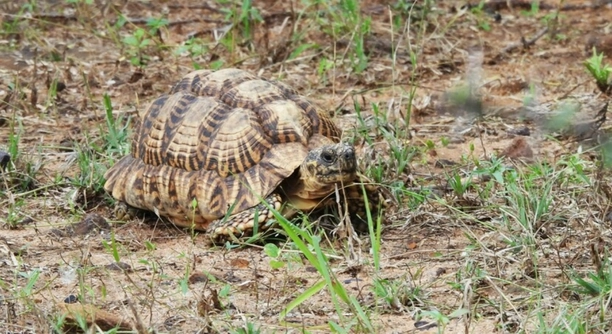
If you have a star tortoise and notice it sneezing, it might concern you. There are various reasons for this behavior, and understanding them can help ensure your tortoise remains healthy and comfortable in its environment.
The main reasons your star tortoise keeps sneezing could include respiratory infections, poor humidity levels, dust in its environment, or allergies. It’s essential to identify the cause promptly to provide the necessary care and treatment for recovery.
Taking the right steps to address these causes can help keep your tortoise in good health and prevent future issues.
Respiratory Infections
Respiratory infections are one of the most common causes of sneezing in star tortoises. These infections can be caused by bacteria, viruses, or fungi, and they often lead to other symptoms like nasal discharge or wheezing. A tortoise with a respiratory infection may struggle to breathe properly, which could worsen over time if not treated. The infection often occurs when the tortoise is exposed to poor environmental conditions, such as low temperatures or poor humidity levels. If left untreated, respiratory infections can lead to serious health issues and even death.
The key to preventing respiratory infections in your star tortoise is maintaining the right conditions in their habitat. Keep the temperature and humidity levels in check, making sure that the environment is clean and free from harmful bacteria. Regularly check for signs of illness, including changes in behavior or eating habits.
If you notice persistent sneezing or any other concerning symptoms, it’s essential to visit a vet who specializes in reptiles. A proper diagnosis and treatment plan can help your tortoise recover quickly and avoid long-term damage.
Poor Humidity Levels
Humidity plays a crucial role in the overall health of your star tortoise. When the humidity is too low, it can irritate the respiratory system, leading to sneezing and other symptoms. A proper humidity level helps your tortoise maintain its skin health and aids in digestion.
It’s important to ensure the humidity in your star tortoise’s enclosure stays within the optimal range. A humidity level of around 50-60% is ideal, and you can use a hygrometer to monitor this. Adding a humidifier or misting the habitat can help maintain the proper levels.
Dust in the Environment
Dust in your star tortoise’s environment can irritate their respiratory system, leading to sneezing. It can come from bedding materials, dirt, or even food particles. Over time, this dust accumulates and can make it harder for your tortoise to breathe properly.
To avoid this, choose bedding materials that are less dusty, such as organic soil or coconut coir. Make sure to clean the enclosure regularly to prevent dust build-up. Misting the habitat can also help reduce airborne dust particles. Keeping the living area clean and dust-free is essential for your tortoise’s overall well-being.
Proper ventilation is equally important to avoid stagnant air that can contribute to dust accumulation. Always ensure your star tortoise has access to fresh air and avoid placing their enclosure in a dusty or drafty area. By addressing the dust issue, you’ll make sure your tortoise stays healthy and comfortable.
Allergies
Like humans, star tortoises can also suffer from allergies. These allergies can be triggered by certain plants, foods, or even chemicals in their environment. Symptoms include sneezing, runny nose, and watery eyes, similar to a respiratory infection.
If your tortoise is frequently sneezing, check their environment for possible allergens. Make sure the plants in the enclosure are safe for tortoises and remove any harmful chemicals or cleaning products that may irritate their system. Changing their diet to avoid known allergens might also help.
Consulting a veterinarian can help determine if allergies are the cause of sneezing. Allergy tests are available for reptiles and can pinpoint exactly what is causing discomfort. With proper care, you can minimize allergens and keep your tortoise healthy.
Overfeeding
Overfeeding your star tortoise can lead to digestive issues and excess mucus production, which may result in sneezing. A diet that’s too rich or given in large quantities can overwhelm their system.
Feeding your tortoise the right amount of food based on its size and age is crucial. Offer a balanced diet with appropriate portions, including leafy greens, fruits, and vegetables. Monitor their eating habits and adjust portion sizes if necessary to avoid overfeeding.
Overfeeding can also stress your tortoise, affecting its immune system. Keep their feeding routine consistent to help prevent respiratory issues related to digestive overload.
Incorrect Temperature
Temperature plays a major role in the health of your star tortoise. If the habitat temperature is too low, it can weaken their immune system, leading to respiratory issues and sneezing.
Maintaining a warm environment is important for proper digestion and overall health. Use a thermometer to ensure that the enclosure stays between 75-85°F, with a basking spot reaching 90°F. Avoid sudden temperature changes that may stress your tortoise. A stable temperature is essential for a healthy tortoise and helps prevent sneezing caused by weakened immunity.
Stress
Stress can negatively impact a star tortoise’s health and contribute to sneezing. Factors like changes in the environment, handling too much, or loud noises can stress your tortoise.
Reducing stress is important for maintaining its health. Provide a quiet, stable environment where your tortoise can feel safe. Limit handling to reduce stress and avoid placing their enclosure in high-traffic areas. Creating a secure, calm habitat will help keep your tortoise comfortable and reduce sneezing caused by anxiety or stress.
FAQ
Why is my star tortoise sneezing?
Sneezing in star tortoises can be caused by several factors, including respiratory infections, dust in the environment, poor humidity, or allergies. It can also happen if the tortoise is stressed or exposed to incorrect temperature levels. Addressing these factors quickly can help prevent more serious health issues.
How can I treat a respiratory infection in my star tortoise?
If you suspect a respiratory infection, it’s important to take your tortoise to a veterinarian. They may need antibiotics or antifungal medications to treat the infection. Make sure the enclosure is at the correct temperature and humidity levels to help your tortoise recover faster. Clean the habitat thoroughly to avoid re-infection.
Can low humidity cause sneezing in my tortoise?
Yes, low humidity is a common cause of sneezing in star tortoises. When humidity is too low, it can dry out the respiratory system, leading to irritation and sneezing. Ensure the humidity in the enclosure stays between 50-60% to avoid respiratory issues. You can increase humidity by misting the habitat or using a humidifier.
What are the best bedding materials for a star tortoise?
Bedding should be clean, absorbent, and low in dust. Suitable options include coconut coir, organic soil, or pesticide-free grass hay. Avoid using sand or sawdust as these can irritate the respiratory system and increase dust in the air. Regularly change the bedding to maintain a clean environment.
How do I know if my star tortoise is stressed?
Signs of stress in a star tortoise include loss of appetite, lethargy, excessive hiding, or abnormal behavior like pacing or biting. Stress can also cause sneezing. Common stress triggers include loud noises, sudden changes in temperature, or being handled too often. Creating a stable, calm environment can help reduce stress.
Can allergies cause sneezing in my star tortoise?
Yes, just like humans, star tortoises can have allergies to certain plants, foods, or chemicals. If your tortoise is sneezing frequently, it may be reacting to something in its environment. Check for possible allergens, such as new plants, bedding, or cleaning products, and remove them to see if the sneezing stops.
Is it normal for a star tortoise to sneeze occasionally?
Occasional sneezing is normal for star tortoises, especially if they are adjusting to a new environment or if there is a slight irritation in the air. However, frequent or persistent sneezing should be taken seriously as it could indicate a more significant health issue, such as a respiratory infection or improper habitat conditions.
Can I use a heat lamp for my star tortoise?
Yes, a heat lamp is essential for maintaining the proper temperature for your star tortoise. It provides a basking spot that should be between 90-95°F, while the cooler side of the enclosure should be around 75°F. A heat lamp helps regulate their metabolism, digestion, and overall health.
How do I maintain the right temperature for my tortoise?
Use a thermometer to monitor both the basking area and the cooler side of the enclosure. A range of 75-85°F is ideal for most of the enclosure, with the basking spot reaching up to 90°F. Ensure that there are no sudden temperature fluctuations, as this can stress your tortoise and weaken its immune system.
What can I do if my star tortoise refuses to eat?
A lack of appetite could indicate several issues, including stress, improper temperature, or illness. Ensure that your tortoise’s habitat is comfortable and within the right temperature and humidity ranges. If the problem persists, take your tortoise to a vet for a proper diagnosis. Offer fresh, varied food options to encourage eating.
How often should I feed my star tortoise?
Star tortoises typically need to be fed every other day, with a diet that includes leafy greens, grasses, and occasional fruits. Avoid feeding them too much fruit as it’s high in sugar. Portion control is important to avoid overfeeding, which can lead to obesity and other health problems.
Can I handle my star tortoise?
It’s best to handle your star tortoise as little as possible to avoid stressing it. When handling is necessary, do so gently and ensure it feels secure. Avoid picking them up frequently, especially during the daytime when they are more likely to be active. Make sure their enclosure is large enough to allow them to move around freely without feeling confined.
How can I prevent my tortoise from getting sick?
Preventing illness in a star tortoise requires maintaining a clean, stable environment. Regularly clean the enclosure and monitor temperature and humidity levels. Provide a balanced diet with the right portion sizes and avoid overfeeding. Minimizing stress and ensuring proper care can greatly reduce the risk of health problems.
Final Thoughts
Caring for a star tortoise requires attention to detail and a commitment to creating the right environment. When your tortoise begins sneezing, it’s often a sign that something is off in their habitat or health. It’s important to act quickly and assess factors such as temperature, humidity, diet, and stress levels. By addressing these areas, you can usually prevent minor issues from turning into more serious health concerns. A healthy tortoise is a happy tortoise, and with proper care, they can thrive in your home for many years.
One of the most important steps in caring for your star tortoise is maintaining the proper habitat conditions. Temperature and humidity are key factors in keeping your tortoise healthy. Without a suitable environment, even a small imbalance can cause sneezing or other health problems. Regular cleaning of the enclosure and providing a balanced diet can also go a long way in preventing sneezing caused by respiratory infections or allergies. Always monitor their behavior and eating habits, as any changes can give you clues about their health.
Lastly, remember that your star tortoise relies on you for its well-being. Reducing stress and creating a safe, calm environment will help prevent sneezing and other issues. Avoid overhandling them and ensure they have enough space to move around. Regular check-ups with a veterinarian are essential to keep your tortoise in optimal health. By providing the right care and making adjustments as needed, you can ensure your star tortoise lives a long, healthy life.

Hello,
If you enjoy the content that we create, please consider saying a "Thank You!" by leaving a tip.
Every little bit helps us continue crafting quality advice that supports the health, happiness, and well-being of pets around the world, for pets of all shapes, sizes, and species.
We really appreciate the kindness and support that you show us!