
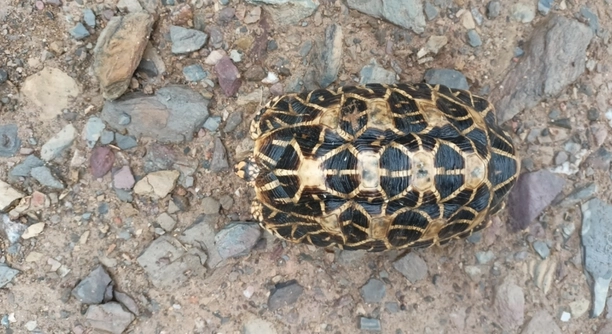
Many star tortoise owners notice strange noises from their pets, leaving them puzzled. These sounds might seem unusual, but understanding their causes can help you address any concerns you may have about your tortoise’s health or behavior.
The most common reasons for a star tortoise to make noises are related to stress, discomfort, or attempts to communicate. These behaviors can range from vocalizing to making sounds while eating or interacting with their environment.
Knowing why your star tortoise makes noises can help you better understand their needs and improve their well-being. Continue reading to uncover the key reasons behind this behavior.
Stress and Anxiety
Star tortoises can often make noises when they are feeling stressed or anxious. These tortoises are sensitive to their environment, and sudden changes can cause them to react with distress. Factors such as loud sounds, new surroundings, or unfamiliar handling can make them feel insecure. It’s important to keep their habitat as consistent as possible. A calm, quiet environment allows them to relax and feel safe.
Their noise might not always be alarming, but it’s their way of expressing discomfort. If you notice persistent noises, try observing their behavior and the conditions around them. Is there too much noise? Have there been any changes in their habitat? Identifying stress triggers can reduce unwanted noise.
Offering a quiet, familiar space for your tortoise can go a long way in calming them down. When your star tortoise feels secure, it’s less likely to make unnecessary sounds. Consider adjusting their environment to minimize stressors, such as dimming lights or reducing high-traffic areas.
Health Issues
Another common reason your star tortoise may be making noises is due to health issues. Respiratory infections or digestive discomfort can lead to sounds like wheezing or grunting. These noises are often accompanied by other symptoms, such as lethargy or changes in eating habits.
If you notice unusual sounds along with these signs, it’s best to consult a vet. Health problems can affect your tortoise’s breathing, causing them to vocalize more. Keeping an eye on their behavior and health can help address issues early. Regular vet check-ups ensure that your pet remains in good condition and prevent problems from worsening.
Hunger or Feeding Habits
Star tortoises can also make noises when they are hungry or seeking food. Unlike some animals, they may vocalize to signal that they are looking for something to eat. These sounds can range from slight grunting to louder noises depending on their level of hunger.
It’s essential to feed your star tortoise regularly and ensure they have access to the right diet. An empty enclosure with no food source may cause them to become frustrated or anxious, resulting in vocalization. Make sure to offer a balanced diet, consisting of leafy greens and appropriate vegetables.
Sometimes, a tortoise might make noises while eating, as they instinctively want to communicate their enjoyment or displeasure. If you notice your tortoise consistently making sounds around feeding time, it could be a sign that they are particularly focused on their meal. Ensuring their food is fresh and varied can help reduce such sounds.
Environmental Factors
The environment plays a significant role in the behavior of your star tortoise, including the sounds they make. If their habitat is too noisy or overly busy, they may respond with vocalizations. These can happen as a sign of frustration or because they are trying to get your attention.
Factors such as temperature, humidity, and light can affect their overall comfort. A proper balance helps your star tortoise feel more relaxed, reducing unnecessary sounds. Overly bright lights, extreme temperatures, or overcrowded spaces might stress them out, triggering noise-making.
In addition to controlling external factors, ensure that your tortoise’s habitat includes quiet, safe spaces where it can retreat if feeling overwhelmed. Avoid sudden changes in its environment to prevent unnecessary disturbances that may lead to noise. Consider maintaining a calm atmosphere around them to promote peace and quiet.
Mating Behavior
Star tortoises may produce noises during mating season. Male tortoises often make vocalizations as part of their courtship rituals. These sounds can be soft or more pronounced, depending on the level of excitement and the surrounding environment.
If your tortoise is exhibiting these noises, it’s important to ensure that they are not under stress. Mating behavior can sometimes be mistaken for discomfort, so paying attention to other signs, like physical changes or increased activity, is essential. Avoid handling them excessively during this period to prevent unnecessary disruption.
Social Interactions
Your star tortoise may also make noises during interactions with other tortoises. In a shared habitat, they may communicate through subtle vocalizations, especially when asserting dominance or establishing territory.
These sounds are typically not aggressive but are a natural part of their social behavior. It’s important to observe how they interact with other animals to make sure they’re comfortable and not feeling threatened. Ensuring there is enough space for each tortoise can prevent tension and reduce unnecessary noise.
Physical Discomfort
Noises can also be a result of physical discomfort. Star tortoises may vocalize if they are experiencing pain or difficulty moving. Check for signs of injury, such as limping or swelling, and ensure their shell and limbs are not damaged.
If your tortoise is making unusual sounds along with visible signs of distress, it’s important to consult a vet. Physical discomfort can also result from improper handling or rough surfaces in their enclosure, so consider their environment. Adjusting these factors may help alleviate the issue and reduce noise.
FAQ
Why does my star tortoise make noise when it eats?
It’s common for star tortoises to make small noises while eating. These sounds can be related to their focus on food or an expression of enjoyment. Sometimes, the noise might come from their mouth or throat as they chew or swallow. While it can seem unusual, it’s usually nothing to worry about, as long as your tortoise is eating regularly and seems healthy.
Is it normal for my star tortoise to grunt or make sounds at night?
Grunting or other noises at night may occur if your star tortoise is feeling restless or stressed. However, it’s not entirely normal for tortoises to be active at night, as they are typically more active during daylight hours. If the sounds persist, it might indicate discomfort, a change in their environment, or potential health concerns. It’s important to keep their enclosure dark and quiet at night to promote restful sleep.
How can I reduce the noise my star tortoise makes?
To reduce noise, ensure that your star tortoise has a calm and quiet environment. Avoid loud sounds or excessive handling. Keep their enclosure at a comfortable temperature and provide enough space for them to roam freely. Regular feeding schedules can also help reduce frustration or vocalization due to hunger. If the noise continues despite these measures, it’s worth checking for potential health issues.
Should I be worried if my star tortoise is making wheezing noises?
Wheezing can be a sign of respiratory distress, which might indicate a respiratory infection or another health issue. If your tortoise is wheezing, along with other symptoms such as lethargy or changes in appetite, it’s important to consult a veterinarian. Respiratory infections in tortoises can be serious and require prompt treatment.
Why does my star tortoise make sounds when interacting with other tortoises?
When star tortoises interact with each other, they may produce noises as part of their social behavior. These sounds can include grunting or hissing and are often used during territorial disputes or courtship rituals. This is natural behavior, but if the interactions become aggressive or frequent, it may be a sign that the tortoises are not getting along. It’s essential to monitor their interactions and ensure that there is enough space in the enclosure.
Does my star tortoise make noise when it’s feeling threatened?
Yes, star tortoises can make noises when they feel threatened or scared. These sounds are typically used as a form of communication to signal distress. If your tortoise is making loud or continuous noises, it might be trying to alert you to an issue in its environment, such as a perceived predator or an overcrowded enclosure. Ensuring that your tortoise has a peaceful, secure environment can help reduce such vocalizations.
Can my star tortoise make sounds when it’s trying to communicate with me?
Star tortoises are not highly vocal animals, but they may make noises when they are seeking attention or trying to communicate their needs. For instance, they may grunt if they are hungry or need more space. While they can’t fully express themselves through vocalizations like some other animals, they may use sounds to get your attention when something is amiss, such as an issue with their food or habitat.
Why does my star tortoise make noise during mating season?
During mating season, male star tortoises often make noises as part of their courtship behavior. These vocalizations can be more frequent or louder than usual and are a way for males to communicate with females. They may also make these sounds when competing with other males. These noises are normal during mating but should not cause concern unless accompanied by signs of stress or injury.
What should I do if my star tortoise keeps making loud noises?
If your star tortoise is consistently making loud noises, the first step is to observe its behavior closely. Check for signs of discomfort or health issues, such as difficulty breathing, lethargy, or a loss of appetite. If the noises are caused by stress or discomfort, adjusting its environment, handling less frequently, or ensuring it has a quiet, secure space can help. If the noises continue or seem linked to illness, it’s important to consult with a veterinarian.
Can my star tortoise make noises due to a lack of space?
Yes, a cramped enclosure can lead to stress in star tortoises, causing them to make noises. If the tortoise feels crowded or unable to move freely, it may vocalize to express discomfort. Make sure the enclosure is large enough for your tortoise to roam, stretch, and hide if it needs to. A larger, more comfortable space can significantly reduce stress and related vocalizations.
Are there any specific sounds that indicate my star tortoise is in pain?
Star tortoises may produce sounds like grunting or wheezing if they are in pain. These noises, often coupled with visible signs of distress, such as limping, swelling, or difficulty moving, could indicate injury or illness. If your tortoise is showing these signs, it’s important to consult a veterinarian to address the problem promptly. Pain-related noises are usually a clear signal that something is wrong.
Do star tortoises make noise when they are just waking up?
It is possible for a star tortoise to make noise when it is waking up, especially if it is stretching or adjusting its position. However, these sounds are generally not a sign of distress. Star tortoises are slow-moving creatures and might make gentle noises as they move around in the morning. If the noises are unusual or loud, it’s worth investigating to ensure there is no underlying health issue.
Final Thoughts
Star tortoises are fascinating creatures, and understanding the reasons behind their noises can help you provide better care for them. While some sounds may be perfectly normal, such as grunting during mating or while eating, others may indicate discomfort or stress. It’s important to monitor their behavior closely to determine whether the noises are a sign of something harmless or if there may be an underlying issue that needs attention. Regular observations and a proper understanding of their natural behavior will help in identifying when something is off.
If your star tortoise’s noises seem unusual or persist, it is always best to consult a veterinarian to rule out any health problems. Respiratory infections, injuries, or stress-related issues could be the cause of the sounds, and addressing them early is essential to ensuring your tortoise’s well-being. A veterinarian can provide a proper diagnosis and suggest solutions to help your tortoise feel better. Ensuring a healthy environment, with appropriate space, temperature, and food, also plays a significant role in reducing stress and discomfort.
Ultimately, caring for a star tortoise means recognizing their needs and adjusting their environment to help them thrive. While noise can sometimes be a natural part of their behavior, it’s crucial to pay attention to the context in which it occurs. With proper care and attention, your star tortoise can live a happy, healthy life, and you’ll be able to respond effectively to any noises they make. Keep in mind that every tortoise is different, and understanding the unique habits of your pet will make it easier to know when something needs to be addressed.

Hello,
If you enjoy the content that we create, please consider saying a "Thank You!" by leaving a tip.
Every little bit helps us continue crafting quality advice that supports the health, happiness, and well-being of pets around the world, for pets of all shapes, sizes, and species.
We really appreciate the kindness and support that you show us!