
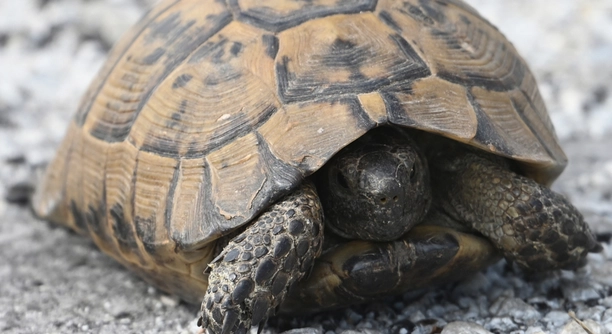
If your Russian tortoise’s eyes appear puffy, it’s important to identify the cause. Eye swelling can signal underlying health issues that need attention. This article will explain why it happens and how to address it.
Puffy eyes in a Russian tortoise are typically caused by dehydration, infections, or environmental stress. In some cases, it could be a result of improper care, such as an inadequate diet or temperature fluctuations, which affect their overall well-being.
Understanding the reasons behind puffiness can help you take the right steps to care for your tortoise and prevent future issues.
Dehydration and Its Impact on Your Tortoise’s Eyes
One of the most common reasons for puffy eyes in Russian tortoises is dehydration. These reptiles rely on proper hydration for overall health, including the condition of their eyes. If they aren’t drinking enough water or their habitat is too dry, it can lead to swelling around their eyes. Dehydration may also make your tortoise appear lethargic or less active, signaling that something is wrong. Ensuring they have access to clean water and humidity levels are correctly maintained can prevent such issues from developing. Additionally, providing a shallow dish for soaking can help keep them hydrated.
If your tortoise’s environment is too dry, consider increasing humidity levels. Regular water changes and a soak in lukewarm water for 20-30 minutes a couple of times a week can support hydration.
Keeping your tortoise hydrated isn’t just about water availability. Make sure their diet is rich in water-dense foods like leafy greens, which support hydration levels and eye health. Additionally, providing an appropriate basking spot where they can regulate their temperature is crucial for their overall well-being. Maintaining proper hydration helps prevent a range of issues, including puffy eyes.
Infections and Eye Swelling
Infections, both bacterial and fungal, can cause swelling around your tortoise’s eyes. These can result from injuries, unclean environments, or improper care. Ensuring your tortoise’s enclosure is clean and free of any debris is key to preventing infections from developing.
Eye infections are serious and should be treated promptly. If the swelling is persistent, it’s crucial to seek a veterinarian’s advice for the proper treatment.
Poor Diet and Its Effect on Your Tortoise’s Eyes
A poor diet can directly impact the health of your tortoise’s eyes. If their diet lacks essential nutrients, it can lead to dehydration, vitamin deficiencies, and eye issues. Make sure their meals consist of a variety of leafy greens, and add some fruits for extra moisture. Avoid feeding them high-protein or high-fat foods, as this can also affect their eye health. A balanced diet supports their immune system and overall well-being, which can reduce the risk of eye swelling.
Inadequate vitamins, particularly vitamin A, can lead to problems like swollen eyes. Vitamin A plays a crucial role in maintaining healthy skin and tissues, including the eyes. A lack of this vitamin may cause eye-related issues, including swelling and discharge. Some vegetables like carrots, sweet potatoes, and kale are excellent sources of vitamin A for your tortoise.
Always monitor your tortoise’s food intake and ensure they get a variety of nutrients to help prevent diet-related health problems. Consult a vet for advice on creating a proper feeding plan that meets their nutritional needs.
Environmental Stress and Its Role in Puffy Eyes
Environmental factors like temperature changes, lighting, and space can cause stress, leading to puffiness around your tortoise’s eyes. Stress can weaken their immune system, making them more prone to health issues, including eye swelling. Ensure your tortoise has a stable environment with the right temperature gradient, proper lighting, and enough room to move around freely.
If the habitat is too hot or too cold, your tortoise may struggle to regulate its body temperature, resulting in stress. A consistent temperature range of 75-85°F during the day, with a basking spot of around 90°F, is ideal. If the temperature fluctuates too much, your tortoise may feel stressed and develop puffy eyes. Additionally, UVB lighting is necessary for their well-being as it helps them absorb calcium and maintain a healthy immune system.
By maintaining a balanced environment, you can reduce stress levels and promote better eye health. Adjust the habitat to suit your tortoise’s needs and ensure their comfort.
Improper Humidity and Eye Health
Humidity levels that are too low can lead to dry eyes and swelling. Your tortoise needs a certain level of moisture to stay healthy. A humidity range between 40% and 60% is ideal. Use a hygrometer to monitor the humidity and adjust as needed by misting or adding a humidifier.
Without proper humidity, your tortoise’s eyes may begin to show signs of dryness, including puffiness. This is especially important in dry climates or when keeping them indoors. Keep their enclosure in a room that is not overly dry or use a humidifier to maintain proper moisture levels.
Suboptimal Lighting and Its Effects
The right lighting is critical for a tortoise’s health. Without proper UVB lighting, their immune system and overall health may suffer. This can lead to eye swelling, among other problems. Make sure your tortoise’s enclosure has a UVB light to help maintain eye and bone health.
UVB light helps your tortoise metabolize calcium and maintain healthy tissue, including in the eyes. Without it, they may develop issues such as eye swelling, lethargy, and other health concerns. Ensure your UVB light is on for 10-12 hours a day and replace it every 6 months to ensure effectiveness.
Eye Injuries and Their Consequences
Injuries to the eyes can result in puffiness and swelling. If your tortoise is exposed to sharp objects, rough surfaces, or other animals, it could lead to cuts or abrasions on their eyes. Always check their environment to ensure it’s safe from potential injuries.
Inspect your tortoise regularly for signs of injury, including eye swelling. If an injury occurs, it’s important to clean the area with saline solution and keep an eye on it for signs of infection. Consult a vet for proper treatment if the injury worsens.
FAQ
What should I do if my Russian tortoise’s eyes are puffy?
If your tortoise’s eyes appear swollen, start by examining their habitat. Check for dehydration, poor humidity, or improper temperature. Offer a shallow dish for soaking and increase the humidity if necessary. If the swelling persists or worsens, consult a veterinarian for further advice.
How can I ensure my tortoise is staying hydrated?
To help your tortoise stay hydrated, provide a shallow dish of fresh, clean water in their enclosure. Offer water-dense foods like leafy greens and fruits. Additionally, soaking your tortoise in lukewarm water for 20-30 minutes a few times a week can help with hydration.
Can diet cause eye swelling in tortoises?
Yes, a poor diet can contribute to eye swelling in tortoises. Lack of proper nutrition, especially vitamins like vitamin A, can cause eye issues. Ensure their diet includes a variety of leafy greens, vegetables, and fruits to provide essential vitamins and minerals for eye health.
What role does vitamin A play in my tortoise’s eye health?
Vitamin A is essential for maintaining healthy skin and tissues, including the eyes. A deficiency in vitamin A can lead to swollen eyes and other health issues. Vegetables like carrots, sweet potatoes, and kale are rich in vitamin A, helping to support eye health in your tortoise.
How do temperature fluctuations affect my tortoise’s eyes?
Temperature fluctuations can stress your tortoise, leading to eye swelling and other health issues. A consistent temperature range between 75°F-85°F during the day is ideal. The basking spot should be around 90°F. Maintaining stable temperature levels helps reduce stress and promotes eye health.
Why does my tortoise’s enclosure need UVB lighting?
UVB lighting is crucial for your tortoise’s overall health, including eye health. It helps them absorb calcium and maintain a strong immune system, preventing eye problems and other health issues. Make sure to provide UVB lighting for 10-12 hours daily and replace the bulbs every 6 months.
What are the signs of an eye infection in a Russian tortoise?
Signs of an eye infection in your tortoise include swelling, discharge, cloudiness, or redness in the eyes. If you notice these symptoms, it’s essential to seek veterinary care promptly. Left untreated, infections can cause long-term damage to their eyes and overall health.
Can environmental stress lead to eye swelling?
Yes, stress from environmental factors like improper lighting, temperature, or a small enclosure can lead to puffiness around your tortoise’s eyes. Stress weakens their immune system, making them more susceptible to health problems. Ensure your tortoise has a comfortable, well-lit, and spacious environment to reduce stress.
How do I know if my tortoise’s eyes are swollen due to an injury?
If your tortoise’s eyes appear swollen after an accident or rough handling, it may be due to an injury. Check for cuts, scratches, or any signs of trauma around the eye. If the swelling doesn’t improve or shows signs of infection, consult a vet for treatment.
Can my tortoise’s bedding affect its eye health?
Yes, bedding material can impact your tortoise’s eye health. Dusty or rough bedding can irritate their eyes, causing swelling. Use bedding that is soft, non-toxic, and easy to clean, such as coconut fiber, to avoid eye irritation. Always keep the bedding clean to prevent infections.
Is it possible for eye swelling to be a sign of a serious illness?
While eye swelling may be due to dehydration, poor diet, or environmental issues, it can also indicate a more serious condition, such as an infection or systemic illness. If the swelling persists or worsens despite addressing the common causes, seek immediate veterinary care to rule out underlying health problems.
What is the best way to prevent eye problems in my tortoise?
Preventing eye problems in your tortoise starts with providing a proper environment, balanced diet, and consistent care. Ensure they have access to clean water, maintain humidity levels, provide adequate UVB lighting, and feed them a nutritious diet. Regular checks for injuries and signs of infections are also important.
Final Thoughts
Keeping a Russian tortoise healthy requires attention to various factors that can affect their well-being, including their eye health. Puffy eyes are a common sign of stress, poor environmental conditions, or underlying health issues. By ensuring that your tortoise’s habitat is appropriately humidified, well-lit with UVB lighting, and free from sharp objects or hazards, you can help prevent many of the common causes of eye swelling. A balanced diet that includes plenty of vitamin A-rich foods can also play a significant role in maintaining healthy eyes and overall health.
While eye swelling can often be a result of environmental issues, it’s important to monitor your tortoise for other symptoms of illness. If swelling doesn’t improve after adjusting humidity or temperature, or if you notice other signs of infection such as discharge or redness, a visit to the veterinarian is crucial. Regular check-ups can help identify and treat health problems early, ensuring your tortoise has a long and healthy life. Remember, prompt attention to swelling and changes in behavior is key to preventing more serious issues from developing.
Caring for a Russian tortoise requires vigilance, but it is rewarding. By focusing on providing the right environment, diet, and hydration, you can greatly reduce the chances of your tortoise developing eye problems or other health concerns. Regular monitoring and proactive care can help catch potential issues early and allow your tortoise to thrive in a safe, comfortable habitat.

Hello,
If you enjoy the content that we create, please consider saying a "Thank You!" by leaving a tip.
Every little bit helps us continue crafting quality advice that supports the health, happiness, and well-being of pets around the world, for pets of all shapes, sizes, and species.
We really appreciate the kindness and support that you show us!