
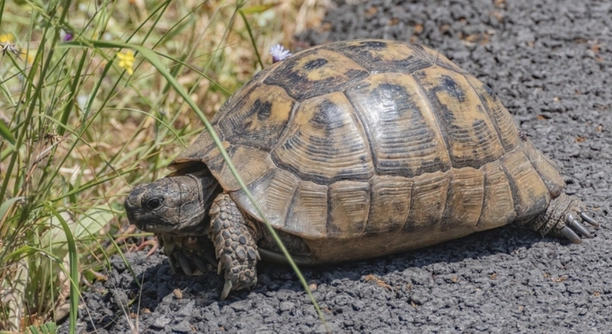
Is your Russian tortoise making strange noises, and you’re wondering why? These unexpected sounds might leave you puzzled, but understanding the reasons behind them can help you ensure your pet’s well-being and comfort.
The noises your Russian tortoise makes can be linked to several factors, including stress, respiratory issues, or communication. Observing your tortoise’s behavior and environment is key to determining whether the sounds are a sign of something serious or just a normal occurrence.
Understanding why your tortoise is making these noises can help you provide better care. It’s important to address any underlying concerns that may be affecting your pet’s health.
Stress and Anxiety in Russian Tortoises
One common reason your Russian tortoise may make strange noises is stress. Tortoises can become anxious for many reasons, including changes in their environment, loud noises, or even new animals in the household. A stressed tortoise may vocalize to express discomfort or fear. Since these creatures are sensitive to their surroundings, it’s important to make sure their habitat is quiet and stable. If their space feels unsafe, they may make odd sounds to let you know they are unsettled.
Stress is a serious issue for tortoises and can lead to other health problems. If your tortoise is consistently making noises, it’s worth looking at its environment. Consider whether there have been any recent changes that could cause distress. A calming, quiet space can help your tortoise feel safe and reduce noise-making behaviors.
To reduce stress, ensure that your tortoise’s enclosure is in a quiet room. If the enclosure is in a high-traffic area, move it to a more peaceful spot. Make sure there are no sudden loud noises that could startle your tortoise, such as loud music or barking dogs. Keeping a steady routine can also help your tortoise feel more secure and prevent anxiety-driven sounds.
Respiratory Issues and Health Concerns
Another possible reason for unusual noises is respiratory problems. If your tortoise is making wheezing, rattling, or clicking sounds, it could be dealing with an infection or other respiratory issues. Respiratory problems are common in tortoises and can result from improper humidity or temperature in their enclosure. Infections can also cause difficulty breathing, leading to noticeable sounds.
Tortoises are especially vulnerable to respiratory infections if the temperature and humidity levels are not optimal. A tortoise with a respiratory infection may also show other signs, such as a runny nose, lethargy, or difficulty eating. If you notice these symptoms, it’s important to act quickly. A visit to a reptile vet is recommended for proper diagnosis and treatment. Keep the enclosure warm and humid, and monitor your tortoise for any further signs of illness.
Maintaining the proper environmental conditions in your tortoise’s habitat can prevent respiratory infections. Make sure the temperature is kept between 75°F and 85°F, with a basking area that reaches around 90°F. The humidity level should also be monitored and maintained at around 50-70%. If these conditions are not met, your tortoise is at risk for respiratory problems, which can lead to more serious health issues if left untreated. Regular vet checkups and early detection are essential in ensuring your tortoise stays healthy and happy.
Communication and Territorial Behavior
Tortoises can make sounds as a form of communication, especially when it comes to establishing territory. These noises can range from hissing to grunting. In the wild, these sounds are used to warn other animals or intruders. When kept as pets, a tortoise might use similar noises when it feels its space is being threatened.
Your Russian tortoise may feel the need to assert its territory when it senses another animal nearby, even if it’s just another pet in your household. Tortoises are naturally solitary creatures, so sharing their space with other animals can make them uncomfortable. The sounds they make are a way of expressing territoriality and ensuring they have their own space.
Understanding this behavior can help reduce unnecessary stress. If your tortoise seems agitated or vocalizing often, it may be reacting to other pets in the household. Giving your tortoise a quiet, undisturbed space can help minimize territorial disputes and reduce the noises they make. It’s important to respect their need for privacy and avoid overcrowding their space.
Improper Diet and Digestive Issues
Sometimes, tortoises make noises because of discomfort related to their diet. If your Russian tortoise is having trouble digesting its food, it may make sounds to show distress. A poor diet or overfeeding can lead to digestive problems, which in turn cause discomfort and lead to vocalizations.
Certain foods can be difficult for tortoises to digest, especially if they’re not the right type or if they are fed in excess. Tortoises are herbivores, and feeding them too much protein, for example, can lead to digestive issues. Overfeeding can also cause bloating or constipation, both of which can lead to noises such as grunting or squealing. Make sure your tortoise is getting the proper foods, like leafy greens and fibrous vegetables, in the correct amounts.
To avoid digestive issues, it’s essential to provide a balanced diet and ensure that the food is suitable for your tortoise’s size and age. A diet high in calcium and low in protein can help keep its digestive system healthy. Monitor your tortoise’s eating habits and consult a vet if you notice any unusual behavior or signs of distress related to feeding. A well-balanced diet is key to your tortoise’s comfort and health.
Mating Behavior
During mating season, male Russian tortoises often make loud, aggressive noises to attract females or assert dominance. These sounds can be grunts, hisses, or even clicking noises. It’s part of their natural reproductive behavior.
If your tortoise is vocalizing around the time of year when mating occurs, this is a sign that it may be trying to communicate with potential mates. Mating behavior can make them more active and noisy. Understanding this can help you realize that the sounds may be harmless and related to instinctive behaviors, rather than a sign of distress.
Shell Injuries
Sometimes tortoises make noises due to pain caused by shell injuries. A cracked or damaged shell can be very painful and cause your tortoise to vocalize. Even minor injuries may lead to discomfort.
Check your tortoise’s shell regularly for any signs of cracks, chips, or abrasions. If you notice anything unusual, consult a vet immediately. Proper care of their shell is essential for their overall health and can help prevent painful injuries.
FAQ
Why is my Russian tortoise making a wheezing sound?
A wheezing sound could indicate a respiratory issue, such as a cold or infection. Tortoises are sensitive to temperature and humidity changes, so improper conditions in their enclosure can cause respiratory problems. If you notice wheezing or other symptoms like nasal discharge or lethargy, it’s important to visit a vet. Keeping the right temperature range and humidity level in their enclosure can help prevent these issues.
How can I tell if my tortoise is stressed?
Stress in tortoises is often displayed through vocalizations, but other signs include hiding, a loss of appetite, or erratic movements. If your tortoise is consistently making sounds and seems to be retreating into its shell more often than usual, it may be feeling stressed. Environmental changes, like loud noises or other pets, can cause this stress. Ensuring that your tortoise has a peaceful, consistent environment will help them feel more secure.
Can a Russian tortoise make noises while eating?
Yes, some tortoises can make soft sounds while eating. These noises may sound like chewing or grunting, but they’re typically just a natural part of the eating process. However, if your tortoise is making unusual or loud sounds while eating, it might be a sign of discomfort, digestive issues, or difficulty swallowing. Pay attention to their eating habits to ensure they’re not struggling with food.
What should I do if my tortoise’s noises are constant?
If your tortoise is making noises constantly, it’s important to assess their environment and health. Constant vocalizations can signal stress, illness, or discomfort. Check if the temperature and humidity in their enclosure are correct, as improper conditions can lead to health issues. If the noise persists or is accompanied by other concerning symptoms, it’s best to consult a vet.
Are Russian tortoises noisy pets in general?
No, Russian tortoises are generally quiet creatures. They are not known for being noisy like some other pets. If your tortoise is making noises, it could be due to specific factors like stress, illness, or environmental discomfort. It’s important to observe their behavior and make sure their needs are being met to avoid unnecessary noise.
Can my tortoise make noises if it’s too hot or too cold?
Yes, temperature extremes can cause discomfort for your tortoise, leading to vocalizations. If their enclosure is too hot or too cold, they may make noises due to stress or physical discomfort. Russian tortoises thrive in temperatures between 75°F and 85°F. Too much heat or cold can cause respiratory issues or other health problems. Make sure your tortoise has a proper basking spot and cooler areas to regulate their temperature.
Is it normal for a tortoise to grunt or hiss?
Grunting and hissing are typical sounds for a tortoise, especially if they are feeling threatened, stressed, or territorial. Male tortoises might grunt or hiss when trying to assert dominance, especially during mating season. These sounds can also occur when your tortoise feels cornered or agitated. If the behavior seems excessive or is accompanied by other signs of illness, consider visiting a vet.
Can poor diet cause my tortoise to make noises?
Yes, a poor diet can cause digestive issues in tortoises, which may result in discomfort and lead to vocalizations. Tortoises need a balanced diet of leafy greens, vegetables, and some fruits. Feeding them too much protein or high-fat foods can lead to bloating or constipation, which may cause them to make distressing sounds. Ensuring your tortoise is eating the right food in proper amounts is key to their health and comfort.
How can I reduce my tortoise’s stress?
To reduce stress in your tortoise, ensure they have a quiet, safe environment free from loud noises or sudden changes. Keeping their enclosure clean and providing a consistent feeding and lighting schedule will help them feel more secure. Additionally, avoid overcrowding their space with other pets and give them plenty of space to roam and explore. If your tortoise is still stressed despite these adjustments, it may be worth consulting a vet to rule out any underlying health issues.
Should I be concerned if my tortoise is making noises at night?
If your tortoise is making noises at night, it could indicate that it’s feeling stressed or disoriented. Nocturnal noises may also happen if the tortoise is trying to find food or water. Ensure your tortoise’s enclosure is in a quiet area away from disturbances. Keep in mind that they need a stable light-dark cycle, so avoid having bright lights on at night. If the noise continues, monitor their behavior for other signs of stress or health issues.
Final Thoughts
Understanding the reasons behind your Russian tortoise’s strange noises is essential for providing the best care possible. Tortoises can be vocal for several reasons, such as stress, discomfort, respiratory issues, or even mating behavior. By observing their behavior closely and paying attention to their environment, you can often identify the cause of the sounds and address the issue accordingly. It’s important to remember that while occasional noises might not be a problem, consistent or concerning sounds may require further investigation.
If your tortoise is making noises due to stress, ensuring a calm and quiet environment is key. Make sure the habitat is free of disturbances from other pets or loud noises. A consistent temperature and humidity level will also help keep your tortoise comfortable. If you believe the noises are a result of an illness, such as respiratory issues or digestive problems, taking your tortoise to the vet for a proper checkup is a good step. Addressing health concerns early can prevent more serious problems down the road.
In many cases, paying attention to your tortoise’s overall health and surroundings can help you figure out why they’re making strange noises. Whether it’s adjusting their diet, creating a more peaceful space, or managing health issues, your tortoise’s well-being depends on these small but important steps. Regularly monitoring their condition and responding to any changes will help you ensure that your tortoise remains healthy, happy, and comfortable.

Hello,
If you enjoy the content that we create, please consider saying a "Thank You!" by leaving a tip.
Every little bit helps us continue crafting quality advice that supports the health, happiness, and well-being of pets around the world, for pets of all shapes, sizes, and species.
We really appreciate the kindness and support that you show us!