
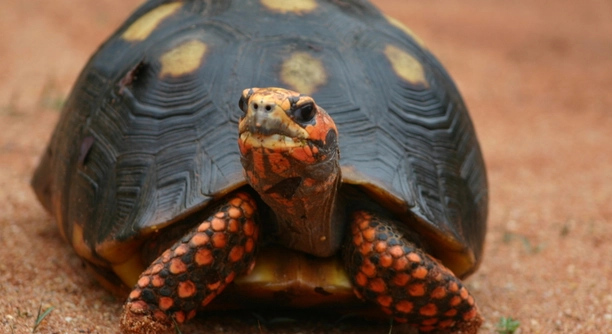
If your red-footed tortoise has been opening its mouth frequently, it could be an indication of various factors at play. Understanding why this behavior occurs can help you ensure your pet’s well-being and health.
The most common reasons for this behavior include respiratory issues, temperature stress, and hunger. A tortoise may open its mouth to regulate body temperature or as a sign of discomfort. Identifying the cause will help you address the underlying issue.
Taking the time to monitor your tortoise’s behavior and environment will make it easier to keep it healthy.
Possible Causes for Mouth Opening
When your red-footed tortoise opens its mouth, it could be due to environmental stressors. One of the most common reasons is temperature fluctuations. Tortoises are cold-blooded and depend on their surroundings to regulate body heat. If the enclosure is too cold, your tortoise might open its mouth to help with breathing or simply to stay cooler. Conversely, if the enclosure is too warm, your tortoise may open its mouth to cool down. It’s important to maintain a stable temperature range in the enclosure.
Another common cause is respiratory issues, which can occur due to improper humidity or poor ventilation. If the air is too dry or stagnant, your tortoise may struggle to breathe and will open its mouth to try to ease the discomfort. This could be a sign of an underlying infection, so it’s crucial to monitor for other symptoms.
How Temperature Affects Behavior
Temperature regulation is vital for tortoises. If the temperature in their habitat is unstable, it can cause stress.
Ensure your tortoise has access to a basking area that reaches around 85-90°F and a cooler area around 70°F. It’s also important to monitor humidity levels. If the enclosure is too dry, it can lead to respiratory problems, which often result in mouth opening.
Check your thermometer and humidity gauge to ensure both are set to appropriate levels. A well-regulated environment promotes overall health and reduces stress in your tortoise, which may stop the mouth-opening behavior. Regular adjustments might be necessary as seasons change.
Respiratory Issues and Their Impact
Another reason for mouth opening could be respiratory infections. These infections are common in reptiles, especially if they are kept in unsanitary or improperly regulated environments. Symptoms of a respiratory infection include wheezing, nasal discharge, and mouth opening. If your tortoise shows these signs, it’s crucial to act quickly.
These infections can worsen if not addressed promptly. They can affect your tortoise’s ability to eat, breathe, and move comfortably. Consult a veterinarian who specializes in reptiles for treatment if you suspect a respiratory infection. Proper cleaning of the tortoise’s enclosure and ensuring good air quality will also help prevent such infections in the future.
Hunger and Feeding Habits
Hunger may also be a reason for your tortoise opening its mouth. This behavior can sometimes be linked to feeding time. If your red-footed tortoise is used to a specific feeding schedule and the food is late, it may open its mouth out of anticipation or to signal hunger.
Always stick to a regular feeding schedule to avoid these signs of hunger. Ensure that your tortoise’s diet is well-balanced, with a variety of fruits, vegetables, and appropriate protein. This not only prevents hunger but also ensures your tortoise gets all the necessary nutrients for good health.
Environmental Stress and Its Impact
Environmental stress is a leading factor in mouth-opening behavior. If the habitat isn’t right, your tortoise may become anxious.
Proper lighting and humidity are crucial for their well-being. Too much or too little light can cause discomfort, prompting the mouth-opening behavior. Additionally, humidity levels need to be maintained between 60-80% to keep the tortoise hydrated and comfortable. A lack of proper lighting can also lead to a weakened immune system, making it more susceptible to infections.
Checking the temperature, light, and humidity regularly is the best way to prevent environmental stress. Be sure to use thermometers and hygrometers for accurate readings.
How to Create the Ideal Habitat
To create a suitable environment, provide a basking spot that stays around 85-90°F, while the cooler side of the enclosure should be around 70°F. This gives your tortoise the ability to regulate its body temperature effectively.
To maintain humidity, mist the enclosure regularly and provide a shallow water dish for your tortoise to soak in. Proper ventilation is also important to prevent stale air from causing respiratory issues. Ensuring that your tortoise’s habitat mimics its natural environment will go a long way in keeping it happy and healthy.
Importance of a Balanced Diet
A well-balanced diet directly affects your tortoise’s health and behavior. When the diet is lacking, it can cause stress, which may lead to unusual behaviors, including opening the mouth. Red-footed tortoises need a diet rich in fiber, vegetables, and fruits. They may also require some protein, such as small amounts of eggs or lean meats.
Feeding your tortoise a variety of leafy greens, along with fruits like papaya, mango, and berries, ensures they are getting the nutrients they need. Providing calcium and vitamin supplements is also essential to support healthy bone development and avoid issues such as shell deformities. Avoid overfeeding, as obesity can also lead to health problems and stress.
Handling Health Issues
Health problems often cause mouth-opening behavior. Respiratory infections and other illnesses can make breathing difficult, prompting your tortoise to open its mouth for relief.
Watch for additional signs such as wheezing, nasal discharge, or lethargy. If these symptoms appear, it’s essential to seek veterinary care quickly. Delaying treatment can worsen the condition.
Seeking Veterinary Care
If your tortoise’s behavior persists or worsens, it’s time to visit a reptile veterinarian. A thorough examination can identify potential infections or underlying conditions. Veterinarians will typically perform tests like X-rays or cultures to diagnose respiratory infections or other health concerns. Early intervention is crucial to avoid complications and ensure recovery.
The Role of Hydration
Proper hydration is essential for maintaining your tortoise’s health. Dehydration can lead to a variety of issues, including stress and respiratory discomfort.
Offer fresh water daily in a shallow dish for your tortoise to drink and soak in. If your tortoise appears dehydrated, consider increasing humidity levels and misting the enclosure more frequently to help retain moisture.
FAQ
What should I do if my red-footed tortoise is opening its mouth frequently?
If your tortoise is opening its mouth more than usual, it’s important to check for signs of environmental stress or health problems. First, check the temperature and humidity of the enclosure. A cold or overly dry environment can lead to mouth-opening behavior. Ensure your tortoise has a basking spot around 85-90°F and a cooler area at 70°F, with humidity levels between 60-80%. If the behavior continues, it might be a sign of a respiratory issue or infection. In this case, consult a reptile veterinarian for diagnosis and treatment.
How can I tell if my tortoise has a respiratory infection?
Respiratory infections in tortoises are not uncommon and can be caused by poor enclosure conditions. Look for symptoms like nasal discharge, wheezing, or difficulty breathing. If your tortoise is opening its mouth frequently and has additional signs such as lethargy or loss of appetite, a respiratory infection may be the cause. A veterinarian will likely recommend diagnostic tests to confirm the infection and will prescribe antibiotics or other treatments. Early intervention is important to prevent the condition from worsening.
Is it normal for a tortoise to open its mouth when basking?
It is normal for a red-footed tortoise to open its mouth slightly when basking in the sun, especially if it’s trying to regulate its body temperature. However, if the mouth remains open for long periods or if you notice other signs of distress, it could be a sign of overheating or respiratory issues. Ensure your tortoise has access to both warm and cooler areas to help regulate its temperature. A proper basking spot at 85-90°F is ideal for your tortoise’s health.
Can a lack of food cause my tortoise to open its mouth?
Yes, if your tortoise is hungry, it may open its mouth as a sign of anticipation or to signal that it’s time for food. Tortoises are creatures of habit, and they often open their mouths when they expect food. If this behavior occurs regularly before feeding time, it’s likely just hunger. However, if your tortoise continues to display this behavior after being fed, it could be due to stress or an underlying health issue.
How do I know if my tortoise is dehydrated?
Dehydration can cause your tortoise to open its mouth or behave differently. To check if your tortoise is dehydrated, look for signs like dry, cracked skin, sunken eyes, or lethargy. If you notice these signs, offer your tortoise fresh water in a shallow dish and ensure the humidity levels in the enclosure are adequate. Soaking your tortoise in lukewarm water for 15-20 minutes can also help it rehydrate. If dehydration persists, consult a veterinarian.
How often should I clean my red-footed tortoise’s enclosure?
Cleaning your tortoise’s enclosure regularly is essential for maintaining its health. It’s a good practice to spot clean the enclosure daily, removing any uneaten food, feces, or other debris. A more thorough cleaning should be done once a week, including washing the substrate, disinfecting the surfaces, and replacing old water. Keeping the enclosure clean helps prevent the growth of bacteria and fungi, which could contribute to respiratory infections or other health problems.
Why is my tortoise not eating and opening its mouth?
If your tortoise is opening its mouth and refusing to eat, it could be due to several factors, including environmental stress, health problems, or an improper diet. If the temperature or humidity in the enclosure is off, your tortoise might not feel comfortable enough to eat. Additionally, if your tortoise is experiencing a respiratory infection, it may be reluctant to eat due to difficulty breathing. If the behavior persists, consult a reptile veterinarian for advice and treatment.
Can stress cause mouth-opening behavior in my tortoise?
Yes, stress is a common cause of mouth-opening behavior in tortoises. Stress can be caused by improper living conditions, such as fluctuations in temperature, humidity, or lighting. It can also result from social stress, such as the presence of other animals or changes in the tortoise’s routine. Providing a calm and stable environment with proper temperature and humidity settings will help reduce stress and prevent this behavior.
What should the humidity levels be in my tortoise’s enclosure?
For a red-footed tortoise, the humidity should be maintained between 60-80%. Humidity is essential for your tortoise’s respiratory health, as low humidity can lead to dehydration and respiratory problems. A hygrometer can help monitor humidity levels. If the humidity is too low, increase misting or place a water dish in the enclosure to help maintain proper moisture levels.
Can I treat my tortoise’s mouth-opening behavior at home?
In some cases, you can manage your tortoise’s mouth-opening behavior by adjusting its environment. Ensure the temperature, humidity, and lighting are all in the correct range. If the behavior is linked to hunger, providing a proper feeding schedule can help. However, if the behavior is due to health issues like respiratory infections or dehydration, a veterinarian’s help is required. It’s always better to be safe and consult a reptile vet if the behavior continues or worsens.
Final Thoughts
It is essential to pay close attention to any changes in your red-footed tortoise’s behavior, particularly if it begins opening its mouth more frequently. While this behavior can be a sign of normal bodily functions, such as regulating temperature or anticipation of food, it can also point to underlying health issues. Ensuring that your tortoise has the right environmental conditions, including proper temperature, humidity, and lighting, can help prevent stress-related behaviors. If these conditions are met and the behavior persists, it is important to consider that your tortoise might be dealing with health problems, such as respiratory infections or dehydration.
Monitoring your tortoise for additional signs like lethargy, nasal discharge, or difficulty breathing can help you identify potential health issues early. A veterinarian specializing in reptiles can provide a proper diagnosis and treatment. Early intervention is crucial, as respiratory infections and dehydration can quickly become serious if left untreated. Regular check-ups with a reptile vet ensure your tortoise remains healthy and happy, preventing long-term problems. It’s always better to address health concerns promptly rather than wait until symptoms become more severe.
Ultimately, understanding your red-footed tortoise’s behavior and creating a stable, supportive environment is key to its well-being. Regular care and attention to its habitat, diet, and hydration needs will go a long way in maintaining its health. While opening its mouth occasionally may be harmless, persistent behavior requires closer observation and, in many cases, professional help. Keeping your tortoise’s environment balanced and consulting with a vet when necessary ensures that it stays comfortable and healthy for years to come.

Hello,
If you enjoy the content that we create, please consider saying a "Thank You!" by leaving a tip.
Every little bit helps us continue crafting quality advice that supports the health, happiness, and well-being of pets around the world, for pets of all shapes, sizes, and species.
We really appreciate the kindness and support that you show us!