
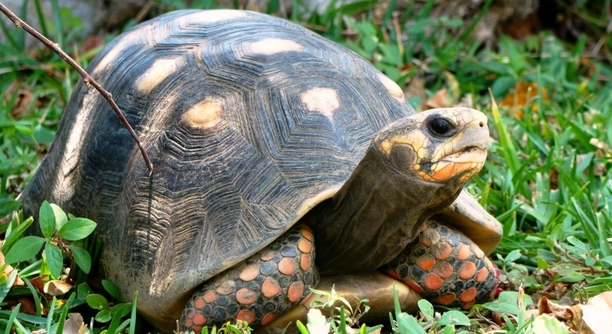
If your red-footed tortoise isn’t growing as expected, it might be due to several factors. Understanding what might be affecting their growth can help ensure they thrive. Growth issues can often be managed with the right care.
Several factors contribute to a red-footed tortoise’s slow growth, including improper diet, inadequate temperature, insufficient space, or stress. Ensuring a balanced diet, maintaining proper temperature, and providing enough room to roam are essential for optimal growth and overall well-being.
Understanding the causes behind slow growth can help you improve your tortoise’s health and growth rate. Keep reading for practical solutions to address these challenges.
Diet and Nutrition
A balanced diet is essential for the growth of your red-footed tortoise. Without the right nutrients, they can struggle to grow at the expected rate. These tortoises are primarily herbivores, and their diet should consist of high-quality vegetables, fruits, and occasional protein sources like insects. Offering a variety of leafy greens, such as dandelion greens and collard greens, is crucial. Additionally, ensure their food is rich in calcium and fiber, both of which are needed for proper shell and bone development.
A lack of variety or an incorrect ratio of nutrients can delay growth. It’s important to avoid overfeeding fruits or protein-heavy foods. Stick to a primarily plant-based diet and only supplement with animal-based protein in moderation.
Providing a well-balanced diet not only supports growth but also helps prevent health issues like obesity and shell deformities. Red-footed tortoises need consistent access to fresh, organic food. Overfeeding or improper food choices can lead to nutritional deficiencies, affecting both growth and overall health.
Temperature and Environment
Temperature plays a significant role in a tortoise’s growth. A red-footed tortoise requires a specific temperature range to thrive. The basking area should be between 90 to 95°F, while the cooler side should be around 75°F. If the enclosure isn’t heated correctly, your tortoise may become sluggish, eat less, and not grow at the expected rate. It’s important to maintain a temperature gradient to allow them to regulate their body temperature.
Heating lamps or under-tank heaters can provide the necessary warmth, but they should be monitored closely. Too much heat can stress your tortoise, while too little will hinder digestion and metabolism, ultimately impacting growth. Make sure the temperature stays consistent throughout the day and night, as drastic temperature fluctuations can cause stress.
Space to Roam
A red-footed tortoise needs ample space to grow properly. A cramped environment limits movement, affecting their ability to exercise and develop strong muscles and bones. Make sure their enclosure is large enough to allow them to move freely, as this encourages natural behavior and promotes healthy growth.
A small, overcrowded enclosure can also lead to stress, which can directly impact growth rates. When setting up their habitat, aim for a space of at least 4 feet by 8 feet for one tortoise. This gives them room to roam, explore, and stay active. Providing enough space will also allow them to establish territories, reducing stress and supporting proper growth.
Without enough room to move, your tortoise may struggle to maintain a healthy weight and body condition. If you notice a lack of activity or a slower growth rate, it might be time to upgrade their living space. A spacious enclosure is key to promoting healthy development in red-footed tortoises.
Stress Factors
Stress can be a major factor in hindering growth. Red-footed tortoises are sensitive creatures, and when they feel threatened or unsafe, their growth can slow down. Factors such as loud noises, sudden movements, or overcrowding can lead to stress.
It’s important to create a calm, quiet environment for your tortoise. If possible, place their enclosure in a low-traffic area of the home. Avoid frequent handling and provide a stable, predictable routine. The less stressed your tortoise is, the better its chances for healthy growth.
Other factors, such as excessive humidity or poor lighting, can also stress a tortoise out. Pay attention to their behavior and watch for signs of discomfort or agitation. When a tortoise is stressed, their metabolism may slow, and growth will be hindered.
Health Issues
Health problems can significantly slow down your red-footed tortoise’s growth. Parasites, infections, or metabolic bone disease are common concerns that may prevent proper development. Always monitor their behavior and physical condition closely to spot any signs of illness.
If your tortoise is not eating, appears lethargic, or shows abnormal behavior, it may be sick. Consulting a veterinarian who specializes in reptiles is essential for diagnosing and treating health issues. Early detection can prevent further complications and help restore their growth rate.
Hydration
Adequate hydration is crucial for your tortoise’s growth. Dehydration can lead to lethargy, poor digestion, and delayed growth. Ensure your red-footed tortoise has access to fresh water at all times. Mist their enclosure regularly to maintain humidity levels.
A shallow water dish allows them to drink and soak comfortably. Proper hydration supports metabolism and overall health. Dehydration can also cause kidney problems and affect the shell’s development, so keep water fresh and available. Adding water bowls that are easy to access will help encourage regular drinking and proper hydration.
Genetics
Genetics can play a role in your tortoise’s growth. Some tortoises may naturally grow at a slower rate due to their genetic makeup. While environmental factors are more significant, it’s important to consider genetics as a contributing factor.
FAQ
How long does it take for a red-footed tortoise to reach full size?
Red-footed tortoises typically take about 10 to 15 years to reach their full adult size, which is around 12 to 16 inches in length. Their growth is gradual, with young tortoises growing faster in their early years. Providing the proper diet, environment, and care can help them reach their full potential.
What should I feed my red-footed tortoise to help it grow?
A healthy diet is crucial for proper growth. Red-footed tortoises should primarily eat leafy greens, such as dandelion greens, collard greens, and romaine lettuce. You can also offer fruits like papaya, mango, and berries in moderation. Occasional protein sources, such as insects, are beneficial but should not be the main part of their diet.
How can I tell if my tortoise is not growing fast enough?
Signs that your tortoise may not be growing as expected include a lack of weight gain, a smaller-than-average size for its age, and a lack of energy or activity. It’s important to compare your tortoise’s growth to similar-aged tortoises in a similar environment to check if growth is on track.
Can poor lighting affect my tortoise’s growth?
Yes, inadequate lighting can affect your red-footed tortoise’s growth. They require UVB lighting to help them absorb calcium and develop a strong shell. Without proper UVB exposure, they may develop metabolic bone disease, which can stunt growth and cause deformities. Ensure your tortoise gets 10 to 12 hours of UVB light daily.
How often should I handle my red-footed tortoise?
While red-footed tortoises are generally not a fan of being handled frequently, it’s fine to interact with them occasionally. Too much handling can cause stress, which may slow their growth. Limit handling to once or twice a week, and always be gentle when you do.
Is it normal for my tortoise to eat very little sometimes?
Yes, it’s normal for red-footed tortoises to eat less during colder months or when they are adjusting to a new environment. However, if your tortoise consistently refuses food or shows other signs of illness, it’s important to consult a vet. Stress, improper diet, or health issues could be the cause.
Can I keep a red-footed tortoise with other reptiles?
Red-footed tortoises can sometimes coexist with other reptiles, but it’s essential to monitor the situation carefully. Some reptiles may compete for resources or space, leading to stress and slow growth. It’s generally safer to keep them in their own enclosures, ensuring they have plenty of space and all their needs met.
What is the best temperature for a red-footed tortoise’s enclosure?
The ideal temperature range for a red-footed tortoise’s enclosure is between 75°F and 95°F. The basking area should be around 90°F to 95°F, and the cooler side should be around 75°F. It’s important to provide a temperature gradient so they can regulate their body heat effectively.
Should I use a humidifier in my tortoise’s enclosure?
Using a humidifier can help maintain proper humidity levels, which is important for red-footed tortoises. The humidity should be between 60% and 80%. If your environment is too dry, a humidifier can assist in keeping the air moist, which will support healthy skin shedding and growth.
What size enclosure does my tortoise need?
For a single red-footed tortoise, an enclosure should be at least 4 feet by 8 feet, providing enough room for the tortoise to move freely. A larger space is always better, especially as they grow. The more room they have, the more active they can be, which encourages healthy growth.
Why is my tortoise’s shell not growing properly?
Shell growth issues can be caused by poor diet, lack of calcium, insufficient UVB light, or health problems. If your tortoise’s shell is soft, brittle, or showing abnormal growth patterns, it may be due to a calcium deficiency or metabolic bone disease. Ensure they are getting enough calcium and UVB exposure.
Final Thoughts
Understanding why your red-footed tortoise may not be growing as fast as expected is essential for their well-being. There are several factors that can impact their growth, such as diet, habitat conditions, and health issues. Ensuring your tortoise is receiving a balanced, nutritious diet with appropriate calcium and vitamin D3 levels is a key step in promoting healthy growth. Additionally, providing proper UVB lighting and a well-maintained habitat will help prevent potential issues that could stunt their development.
Health concerns, such as parasites or metabolic bone disease, can also slow down growth. If you notice any signs of illness, it is important to seek veterinary advice promptly. Regular check-ups and a proactive approach to any changes in behavior or appearance will help identify and address problems before they become severe. If your tortoise seems to be growing slower than normal, it’s best not to wait too long to act, as early intervention can make a significant difference.
Ultimately, patience and care are vital when raising a red-footed tortoise. Their growth may take time, and it’s important to remember that each tortoise is unique. By providing the right environment, diet, and medical care, you can support their growth and ensure they live a healthy, happy life. With proper attention and dedication, your tortoise will thrive, even if growth seems slow at times. Keeping an eye on their overall well-being and adjusting their care as needed will help them grow at their own pace.

Hello,
If you enjoy the content that we create, please consider saying a "Thank You!" by leaving a tip.
Every little bit helps us continue crafting quality advice that supports the health, happiness, and well-being of pets around the world, for pets of all shapes, sizes, and species.
We really appreciate the kindness and support that you show us!