
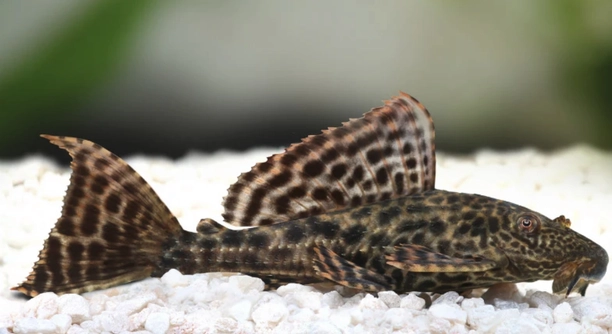
Your plecostomus may seem lonely, but understanding the reasons behind its behavior can help you address the issue. Many factors can affect your fish’s social interactions, from tank conditions to its natural instincts. Let’s explore.
The main reason for plecostomus loneliness often lies in its need for space and hiding places. These fish are naturally solitary and may feel stressed without proper shelter or companions. Ensuring an appropriate environment can help your fish feel more secure.
A few simple changes can make a big difference in improving your plecostomus’s well-being. By understanding its needs, you can provide a healthier and happier environment for your fish.
Lack of Hiding Spots
Plecostomus fish are naturally shy creatures and rely on hiding spots to feel secure. If your tank lacks adequate hiding places, your fish might feel exposed and isolated. The absence of caves, plants, or decorations could result in the plecostomus avoiding the tank’s open areas, making it seem lonely. Adding objects like driftwood or aquarium caves can provide the security it craves.
Without these hiding spots, your plecostomus may become stressed, which can affect its behavior. Stress can lead to reduced activity and more time spent in secluded spots. You’ll likely notice your fish becoming more reclusive, avoiding social interaction with tank mates.
A few simple tank additions, such as decorations or plant life, can recreate a more natural environment for your plecostomus. Adding such elements can help relieve the stress of being out in the open and encourage the fish to feel more comfortable moving around the tank.
Tank Size Matters
A small tank can contribute to your plecostomus’s loneliness. These fish need ample space to feel secure. A cramped environment can make it difficult for your plecostomus to find places to hide, swim freely, and maintain a healthy routine. A tank that’s too small may cause your fish to feel trapped, leading to stress.
Plecostomus can grow quite large, and a smaller tank will make it harder for them to find their own space. They are active creatures, and without room to explore, they’ll become withdrawn. A larger tank allows your fish to thrive and express natural behavior, helping to reduce loneliness.
Incompatible Tank Mates
If your plecostomus shares its tank with aggressive or territorial fish, it may feel threatened and withdraw. Fish like cichlids or other aggressive species might bully your plecostomus, creating a stressful environment. This can prevent your fish from feeling safe enough to interact with others.
To help your plecostomus feel more comfortable, choose peaceful tank mates. Fish that aren’t territorial will allow your plecostomus to thrive without constant stress. Also, consider the size and swimming habits of other species, as plecostomus may prefer tank mates that don’t crowd their space. Creating a peaceful community will reduce the chance of loneliness.
A harmonious aquarium setup will benefit both your plecostomus and other fish. By ensuring a balanced environment, you’ll notice a more active plecostomus, and the social dynamics will improve, making for a healthier tank overall. Your plecostomus will feel more confident and less isolated in a peaceful tank.
Feeding Issues
Plecostomus fish are bottom feeders, often relying on algae and detritus for food. If there’s a lack of natural food sources in the tank, they might feel neglected and hungry. Providing supplemental feeding can help satisfy their dietary needs, reducing any feelings of loneliness.
Supplying algae wafers or vegetables like zucchini can give your plecostomus the nutrition it needs. A balanced diet encourages activity and interaction. Additionally, ensure there’s enough food available to avoid competition with other tank mates. This way, your plecostomus can feel less stressed during feeding time, improving its overall well-being.
Consistent feeding schedules will also help your plecostomus feel secure. When your fish has enough to eat and doesn’t have to compete for food, its stress levels decrease. This provides the physical and emotional nourishment needed for a healthier, happier plecostomus.
Water Quality
Poor water quality is a major factor in a lonely plecostomus. If the water conditions are not ideal, your fish will become stressed and may isolate itself. Regular water changes and checking parameters like pH, ammonia, and nitrates can ensure a better environment for your plecostomus.
When water quality is poor, your plecostomus may become lethargic, hide more often, or stop eating. High levels of ammonia or nitrites can make the fish feel uncomfortable and contribute to a sense of isolation. Make sure to maintain clean, stable water conditions to keep your plecostomus happy.
Regular maintenance will create a healthier, more stable tank environment. When your plecostomus has clean water and balanced conditions, it will be less likely to feel stressed or withdrawn. Keeping up with water changes ensures your fish can thrive in a comfortable space.
Overcrowded Tank
An overcrowded tank can stress your plecostomus and make it feel more isolated. Too many fish in the same space can lead to competition for resources like food and hiding spots. This can prevent your plecostomus from having its own safe space.
It’s important to keep the fish population in balance to avoid overcrowding. A well-stocked tank will provide enough space for each fish to have room to swim, find food, and relax. This ensures your plecostomus feels less anxious and more comfortable in its environment.
FAQ
Why is my plecostomus hiding all the time?
Your plecostomus may be hiding due to stress or feeling unsafe in its environment. Lack of hiding spots, poor water quality, or incompatible tank mates can all contribute to this behavior. Adding more hiding places and ensuring the water conditions are optimal can help your plecostomus feel more secure and less isolated.
How do I know if my plecostomus is lonely?
If your plecostomus is acting withdrawn or inactive, it may be experiencing loneliness. Loneliness can result from a lack of social interaction or an environment that feels unsafe. Look for signs of stress, like hiding frequently, not eating, or being lethargic. Providing more tank mates or improving the tank setup may help.
Can I add another plecostomus to keep mine company?
Adding another plecostomus may help, but it’s important to consider the tank size and the plecos’ territorial nature. Plecostomus are typically solitary, and having more than one in a small tank can lead to competition and aggression. Make sure the tank is large enough and provides enough hiding places for both.
Do plecostomus need to have tank mates?
While plecostomus can be kept alone, they do benefit from peaceful tank mates. However, their solitary nature means they don’t require constant interaction. Choose non-aggressive fish that won’t crowd your plecostomus. Ideally, tank mates should not compete for space or food.
What are the signs of poor water quality for a plecostomus?
Signs of poor water quality include lethargy, lack of appetite, and increased hiding. If the water has a strong odor, cloudy appearance, or high levels of ammonia or nitrates, it’s time for a water change. Test the water regularly to ensure it’s suitable for your plecostomus.
How often should I feed my plecostomus?
Feed your plecostomus once a day, offering enough food that can be consumed in about 2-3 minutes. Overfeeding can lead to water quality issues, so make sure you’re only providing the right amount. Supplementing with algae wafers or vegetables will ensure a balanced diet.
Can my plecostomus live with other fish?
Yes, plecostomus can live with other fish as long as the tank mates are peaceful and don’t pose a threat. Avoid aggressive or territorial species that may stress out your plecostomus. Fish like tetras, guppies, or other peaceful bottom dwellers make good companions.
How can I make my plecostomus feel less stressed?
To reduce stress, ensure your plecostomus has plenty of hiding spots and a stable environment. Keep the water clean, maintain appropriate tank temperatures, and avoid overcrowding. Regular feeding and choosing compatible tank mates will also help your plecostomus feel more at ease.
Is it normal for plecostomus to be active at night?
Yes, plecostomus are nocturnal fish. They are typically more active at night when the tank lights are off. During the day, they may hide or rest in dark areas to feel secure. Providing dark hiding spots during the day can help them feel safe and active at night.
What is the best tank size for a plecostomus?
A 75-gallon tank is generally recommended for a single plecostomus. These fish can grow quite large and need enough space to swim freely. A larger tank will also help ensure your plecostomus has plenty of room to hide, explore, and maintain a healthy environment.
How can I tell if my plecostomus is sick?
Signs of illness in plecostomus include changes in eating habits, lethargy, abnormal swimming, or visible physical issues like lesions or a cloudy body. If your plecostomus is not eating, showing unusual behavior, or has any visible symptoms, it’s important to isolate it and check the water parameters. Consult a veterinarian if needed.
Can plecostomus eat too much?
Yes, overfeeding your plecostomus can lead to obesity, poor water quality, and health problems. Make sure to feed your plecostomus the right amount of food once a day. Remove any uneaten food after a few minutes to avoid affecting water quality.
Should I add plants to my plecostomus tank?
Adding live plants to your plecostomus tank can provide additional hiding spots, improve water quality, and create a more natural environment. Plants like Java Fern or Anubias are great choices since plecos tend to graze on them. Make sure to provide space for the plecostomus to move freely.
How do I keep my plecostomus tank clean?
Regular water changes, vacuuming the substrate, and removing uneaten food are key to keeping your plecostomus tank clean. Installing a good filtration system and maintaining proper water parameters will also reduce the buildup of waste, ensuring a healthier tank environment for your fish.
Final Thoughts
Keeping a plecostomus as a pet requires careful attention to its environment and well-being. These fish are generally solitary and may not show obvious signs of loneliness, but providing the right conditions can help reduce stress. It’s essential to maintain a stable tank with clean water, appropriate tank mates, and enough hiding spots for the plecostomus to feel secure. Regular water changes and monitoring water parameters will go a long way in keeping your plecostomus healthy and comfortable. Understanding the specific needs of plecostomus will help you create the best possible environment for them to thrive.
Tank conditions are often the primary factor influencing your plecostomus’ behavior. Factors such as water quality, temperature, and space can significantly affect how your fish behaves. A well-maintained tank will not only benefit your plecostomus but also ensure that all other fish in the tank are happy and healthy. Be sure to avoid overcrowding, as this can lead to competition for resources and create a stressful environment for your plecostomus. Additionally, providing suitable tank mates is crucial. While plecostomus are typically peaceful, aggressive or overly active fish can create stress and isolation.
Overall, a plecostomus can lead a happy, healthy life in your aquarium with the right care. Keeping the tank clean, monitoring the water conditions, and offering enough space and hiding spots are key to ensuring your plecostomus doesn’t feel lonely. Adding appropriate tank mates and feeding your plecostomus the right foods will also make a big difference. By understanding these factors, you can help your plecostomus live a longer, healthier life and feel more at ease in its environment. With attention to detail and a little effort, your plecostomus will have the best care possible.

Hello,
If you enjoy the content that we create, please consider saying a "Thank You!" by leaving a tip.
Every little bit helps us continue crafting quality advice that supports the health, happiness, and well-being of pets around the world, for pets of all shapes, sizes, and species.
We really appreciate the kindness and support that you show us!