
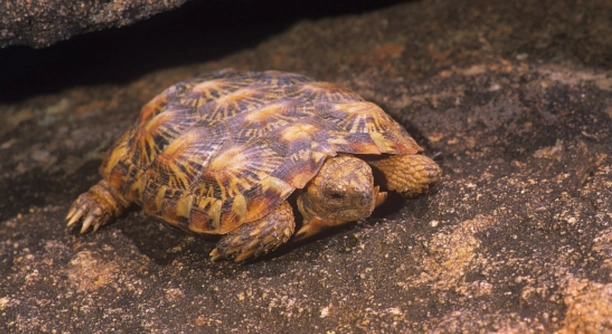
Is your pancake tortoise’s shell looking dull? You might be wondering why it’s lost its shine. There are a few reasons that could explain why your turtle’s shell isn’t as bright as it should be.
The dullness in your pancake tortoise’s shell could be caused by factors such as poor diet, improper lighting, inadequate humidity, stress, or even health issues. These elements can negatively affect the natural appearance and vitality of your pet’s shell.
Understanding these causes will help you address the problem and restore your pancake tortoise’s health and shell appearance.
Poor Diet
One of the main reasons your pancake tortoise’s shell may appear dull is due to a poor diet. Tortoises require a balanced mix of nutrients, including fiber, calcium, and vitamins. If their diet lacks variety or essential nutrients, it can affect the health of their shell. A diet that doesn’t include the right vegetables, greens, and some fruit can make it difficult for them to maintain a healthy appearance. Even if they seem to be eating enough, without proper nutrition, their shell may begin to show signs of wear, like a dull look.
Feeding them nutrient-rich foods can be a simple fix. Make sure their diet is diverse and includes a mix of calcium-rich greens and other veggies.
By feeding your pancake tortoise a diet that mimics what they’d eat in the wild, you can improve the condition of their shell. Offer them dark leafy greens, dandelion greens, and safe vegetables like bell peppers. You may also need to supplement their diet with calcium to prevent any deficiencies. Over time, this will help brighten their shell and improve their overall health.
Lighting and UVB Exposure
Your pancake tortoise needs adequate lighting and UVB exposure for optimal health. Without proper lighting, they cannot produce Vitamin D3, which is necessary for calcium absorption. This leads to weak bones and dull shells. Lack of UVB light is one of the most common reasons for shell dullness.
When providing light for your pancake tortoise, use a UVB lamp to mimic natural sunlight. Position it close enough for them to benefit but not too close to cause burns. Ensure the lamp is on for 10 to 12 hours each day to maintain a consistent cycle. This will promote shell health and vibrant colors.
A good UVB light will help your tortoise absorb calcium and prevent shell issues. Without it, your pancake tortoise may not be able to properly digest food or maintain its bright shell. Replacing the light bulb every six months or so will ensure its effectiveness.
Humidity Levels
Humidity is crucial for your pancake tortoise’s overall health. Too little moisture can cause their shell to appear dry and dull. Ensure their habitat maintains appropriate humidity levels to keep their shell hydrated and shiny.
A humidity level of 50-70% is ideal for pancake tortoises. Use a hygrometer to monitor the environment. If it’s too dry, mist the enclosure lightly with water or add a humidity box. Be cautious not to overdo it, as too much moisture can also cause other health issues like respiratory problems.
Maintaining consistent humidity will prevent the shell from drying out. This balance helps them shed properly and keep their shell vibrant. Humidifiers or a water dish can assist in maintaining moisture, but it’s important to monitor the environment closely. Keep the humidity within the recommended range to support your tortoise’s natural health.
Stress
Stress can affect your pancake tortoise’s shell, making it look dull. Stress may be caused by handling, loud noises, or sudden changes in their environment.
If your tortoise feels threatened or unsettled, it can result in a lack of appetite and poor shell condition. Creating a calm, consistent environment is key.
A peaceful habitat with minimal disturbance allows your tortoise to feel secure. When they are less stressed, they will eat and move more, helping them maintain their health. Give them time to adjust to their enclosure, and avoid frequent handling.
Health Issues
Health problems can also contribute to dullness in your pancake tortoise’s shell. Common issues like fungal infections or metabolic bone disease are known to affect shell health.
If you notice abnormal behavior, such as lethargy or a lack of appetite, it’s important to consult a vet. Illnesses can cause the shell to lose its natural shine and become soft or deformed. Proper medical attention will help restore their health.
FAQ
Why is my pancake tortoise’s shell not shiny?
The lack of shine in your pancake tortoise’s shell could be due to several factors. Poor diet, insufficient UVB exposure, low humidity, stress, or health issues can all contribute to a dull appearance. If any of these factors are not properly addressed, the shell may lose its natural luster and health. It’s important to maintain a balanced diet, ensure proper lighting, and provide a comfortable environment to keep your tortoise’s shell in top condition.
How can I improve my pancake tortoise’s diet?
Improving your pancake tortoise’s diet involves offering a variety of nutritious foods. Include dark leafy greens, dandelion greens, and edible flowers, such as hibiscus, in their meals. You can also add safe vegetables like squash and bell peppers. Ensure calcium-rich foods, like calcium-fortified pellets, are included in their diet to support healthy shell growth. Avoid feeding them foods high in oxalates or too much fruit, as it can cause imbalances.
What kind of UVB light does my pancake tortoise need?
Your pancake tortoise needs a UVB light to help synthesize Vitamin D3, which is essential for calcium absorption. Use a fluorescent UVB light that covers a range of 5.0-10.0 UVB output. Place the light 6-12 inches from your tortoise and provide it for 10-12 hours per day. Make sure to replace the bulb every 6 months, as its effectiveness decreases over time.
How do I maintain proper humidity for my pancake tortoise?
To maintain proper humidity for your pancake tortoise, keep the humidity level between 50-70%. Use a hygrometer to monitor it regularly. If it gets too dry, lightly mist their enclosure or add a humidity box. If the humidity gets too high, increase ventilation or remove excess water. Always find a balance to avoid excessive moisture buildup, which can lead to health issues like respiratory infections.
Can stress affect my pancake tortoise’s shell?
Yes, stress can negatively affect your pancake tortoise’s shell. Stress can come from frequent handling, a noisy environment, sudden changes, or a cramped living space. When stressed, your tortoise may stop eating or moving as much, leading to poor health and a dull shell. It’s important to keep their environment calm and stable. Avoid excessive handling, and make sure they have plenty of space to roam and feel secure.
What health issues can cause a dull shell?
Health issues like metabolic bone disease or fungal infections can result in a dull and unhealthy shell. Metabolic bone disease often occurs when your tortoise doesn’t get enough calcium or UVB light, leading to weak, brittle shells. Fungal infections can make the shell appear discolored and rough. If you suspect your tortoise has a health problem, it’s best to take them to a vet for a check-up and appropriate treatment.
How often should I clean my pancake tortoise’s enclosure?
You should clean your pancake tortoise’s enclosure regularly to prevent the buildup of waste and bacteria. Spot clean the enclosure daily by removing uneaten food and waste. Once a week, perform a more thorough cleaning, including washing the substrate, wiping down surfaces, and disinfecting items in the enclosure. Always use pet-safe cleaning products to avoid harming your tortoise.
Why does my pancake tortoise bask so much?
Basking is essential for your pancake tortoise’s well-being. By basking under heat and UVB light, they can regulate their body temperature and absorb the necessary UVB rays for calcium metabolism. Your tortoise may spend a significant amount of time basking to ensure they stay warm and healthy. Providing them with a proper basking spot will allow them to engage in this natural behavior.
Can I use a regular lamp for my pancake tortoise’s enclosure?
No, a regular lamp won’t provide the necessary UVB rays that your pancake tortoise needs. It’s crucial to use a UVB-specific lamp to mimic natural sunlight and help your tortoise produce Vitamin D3. Regular lamps only provide heat and light, not the UVB radiation that is necessary for your tortoise’s calcium absorption. Be sure to use a UVB bulb designed for reptiles to maintain proper health.
What should I do if my pancake tortoise’s shell is soft?
If your pancake tortoise’s shell is soft, it may be a sign of metabolic bone disease, often caused by inadequate calcium or UVB light. To treat this, provide a proper diet with calcium supplements and ensure your tortoise has access to UVB light. A vet visit is also recommended to rule out other health issues and get guidance on treatment.
Is it normal for my pancake tortoise to shed its shell?
It’s normal for your pancake tortoise to shed skin on its shell, although the process is slow and not as noticeable as other reptiles. Unlike snakes, tortoises don’t shed their entire shell. Instead, they shed the outer layers of their scutes gradually. A healthy environment, proper humidity, and a nutritious diet can make the shedding process easier for your tortoise.
How can I tell if my pancake tortoise is dehydrated?
Dehydration can cause your pancake tortoise’s shell to look dull and dry. Signs of dehydration include a lack of appetite, lethargy, and a dry, brittle shell. You can check for dehydration by gently pinching the skin. If it doesn’t spring back quickly, your tortoise may be dehydrated. Ensure they have constant access to fresh water and maintain proper humidity levels in their enclosure.
Can I use calcium powder on my pancake tortoise’s food?
Yes, calcium powder can be used to supplement your pancake tortoise’s diet. Dust their vegetables or greens with a small amount of calcium powder to ensure they get the necessary nutrients. This is especially important if you’re feeding them low-calcium foods or if you’re concerned about their calcium intake. Make sure to choose a calcium supplement that doesn’t contain phosphorus or Vitamin D3, as too much of either can lead to health problems.
What’s the best substrate for a pancake tortoise’s enclosure?
The best substrate for a pancake tortoise’s enclosure is one that helps maintain proper humidity while also being easy to clean. Options like coconut coir, cypress mulch, or sphagnum moss work well. Avoid using sand or soil, as they can harbor bacteria and make cleaning more difficult. Make sure the substrate is deep enough for your tortoise to burrow and feel secure.
Final Thoughts
Taking care of a pancake tortoise involves understanding its unique needs to ensure it thrives. Their dull shell is often a sign that something in their environment or diet is off. By addressing factors like poor diet, lack of UVB light, humidity levels, stress, and health problems, you can help restore your tortoise’s natural shine. Providing a proper balance of nutrients, light, and a calm habitat will go a long way in improving their well-being and shell condition.
A key part of caring for your pancake tortoise is recognizing the signs of an issue early. If their shell begins to lose its shine, it’s essential to look at the bigger picture. Is the humidity level right? Are they getting the proper diet and UVB light? Is there any sign of stress or illness? Regularly checking on their environment and health is important, and if something doesn’t seem right, a visit to the vet is always a good idea. Keeping track of these factors can help you address the problem before it becomes worse.
Overall, taking the time to create a healthy, stable environment for your pancake tortoise can help improve their shell’s appearance. Remember that small changes can have a big impact. From proper lighting and diet to reducing stress and maintaining the right humidity, each element plays a role in their health. A little extra care goes a long way in helping your tortoise feel comfortable, secure, and healthy. By staying on top of their needs, your pancake tortoise can live a long, happy life with a vibrant, healthy shell.

Hello,
If you enjoy the content that we create, please consider saying a "Thank You!" by leaving a tip.
Every little bit helps us continue crafting quality advice that supports the health, happiness, and well-being of pets around the world, for pets of all shapes, sizes, and species.
We really appreciate the kindness and support that you show us!