
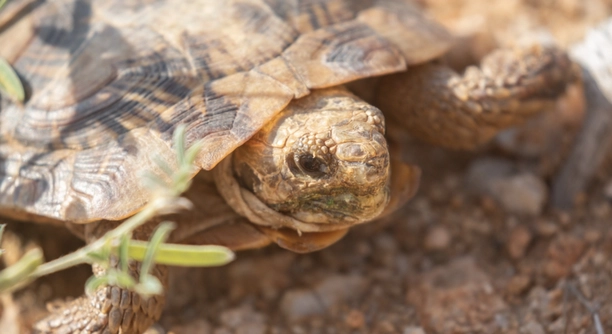
Pancake tortoises are unique pets with specific care needs, and when they suddenly stop drinking, it can be concerning. Identifying the reasons behind this behavior is crucial to ensure their health and well-being.
There are several potential reasons why your pancake tortoise might suddenly stop drinking. These could include environmental factors, stress, improper diet, illness, or dehydration. Each of these factors must be addressed to ensure your tortoise’s health is maintained.
Understanding the root cause behind your tortoise’s behavior is essential for its recovery. In the following sections, we will cover the most common reasons and how to address them effectively.
Environmental Factors Affecting Hydration
The environment in which your pancake tortoise lives plays a huge role in its hydration. Tortoises are sensitive to temperature, humidity, and light levels. If these conditions are off, your tortoise may stop drinking. Too much heat or dry air can cause dehydration, making it difficult for the tortoise to stay hydrated.
A simple way to prevent this is by ensuring the enclosure’s humidity is within the proper range. Pancake tortoises thrive in a humid environment, so misting the habitat regularly can help. Also, check that the temperature doesn’t fluctuate too much during the day and night. Ideally, the enclosure should maintain a steady, warm temperature to keep your tortoise comfortable.
It’s important to note that environmental changes can also stress your tortoise. If you’ve recently moved its enclosure or changed the setup, this could cause the tortoise to become stressed, which can lead to changes in drinking habits. Keeping a consistent environment will help prevent these issues. Additionally, make sure your tortoise has access to fresh water at all times, as dehydration can worsen rapidly.
Stress and Handling
Stress is another major factor.
Pancake tortoises are naturally shy and sensitive creatures, and constant handling can cause them to stop drinking. Stress affects their immune system and behavior, which may include refusing to drink water. If you’ve recently introduced new pets or objects into their space, this could also be a source of stress.
Too much human interaction, especially if your tortoise feels threatened, can lead to behavioral changes. It’s vital to let your tortoise feel safe in its environment. Try to minimize handling and loud noises around the enclosure to reduce stress. Additionally, avoid moving the tank or cage frequently, as this could further distress your pet.
Illness or Injury
Illness is another reason why your pancake tortoise might stop drinking. If they are feeling unwell, they may not feel the urge to drink water. Infections, parasites, or internal problems can make it difficult for them to stay hydrated.
Signs of illness can vary, but common symptoms include lethargy, a lack of appetite, or changes in shell appearance. If your tortoise shows any of these signs, it’s important to take it to a vet that specializes in reptiles. They can help identify if there’s an infection or any other underlying issue that’s affecting your tortoise’s hydration.
If your tortoise has suffered an injury, it may also refuse to drink. Pain can cause changes in behavior, and your tortoise may become withdrawn or act differently. In such cases, it’s best to get professional help to diagnose the problem and begin treatment. It’s always better to err on the side of caution.
Improper Diet
A lack of proper nutrition can lead to dehydration in pancake tortoises. If their diet doesn’t include enough moisture-rich foods, they might stop drinking water altogether. This is especially true for tortoises that are fed mainly dry food.
To avoid this, make sure your tortoise’s diet includes plenty of vegetables, such as leafy greens and cucumbers, which provide extra hydration. Offering fresh food regularly can keep your tortoise hydrated and healthy. Avoid feeding them too much dry food like pellets, as this can lead to dehydration.
Additionally, overfeeding them on certain foods can cause imbalances in their system, which might contribute to their refusal to drink. It’s important to stick to a balanced diet, ensuring they get the right amount of nutrients to keep their body functioning well. Always make sure fresh water is available, no matter their food choices.
Dehydration
Dehydration is one of the most common reasons your pancake tortoise might stop drinking. Even if they have access to water, they may refuse to drink if they are already dehydrated. This can lead to serious health issues if not addressed quickly.
If your tortoise’s skin is sagging or their eyes appear sunken, they may be dehydrated. It’s important to monitor water intake and offer fresh water frequently. Increasing the humidity in their enclosure can also help prevent dehydration. A hydrated tortoise is a healthy tortoise, so take extra care when managing their hydration levels.
Temperature Fluctuations
Fluctuations in temperature can affect your tortoise’s hydration.
If the habitat gets too hot or cold, your tortoise may become lethargic or stressed, which may lead to a decrease in water consumption. Maintaining a stable and appropriate temperature is essential to ensure your tortoise stays comfortable and hydrated.
Water Quality
The quality of the water you provide plays a role in whether your tortoise drinks it.
If the water is dirty or smells unpleasant, your tortoise may avoid drinking it. Change the water regularly and clean the water dish thoroughly to ensure it’s safe and fresh for your tortoise to drink.
FAQ
What should I do if my pancake tortoise refuses to drink for a few days?
If your pancake tortoise hasn’t been drinking for a few days, it’s important to act quickly. First, check the humidity and temperature in their habitat to ensure they’re in the ideal range. Mist their enclosure to boost humidity and provide fresh water in a clean dish. Observe their behavior—if they’re lethargic or showing signs of illness, it’s best to consult a vet. Sometimes a lack of hydration is the result of stress, but if it persists, professional help may be needed to rule out any health concerns.
How often should I change the water for my pancake tortoise?
You should change your pancake tortoise’s water every day. Fresh, clean water is essential to encourage them to drink. If the water is left in the dish for too long, it can get contaminated, which may discourage your tortoise from drinking. Regular water changes will ensure that they always have access to clean hydration.
Is it normal for my pancake tortoise to stop drinking when it’s stressed?
Yes, it is normal for a pancake tortoise to stop drinking when stressed. Stress can stem from factors like handling, changes in the environment, or the presence of other animals. When your tortoise feels threatened or uncomfortable, they may stop drinking and become more withdrawn. Try to minimize stress by keeping their environment calm and consistent. If stress persists, a vet might help determine if there are other factors contributing to their behavior.
Can my pancake tortoise go without water for a long period of time?
Pancake tortoises should not go without water for an extended period. While they can survive for a while without drinking in the wild, they still need regular hydration to stay healthy. Dehydration can lead to serious health problems, including organ damage, so it’s crucial to ensure they always have access to clean water. If your tortoise is not drinking regularly, try offering water more frequently and check for any underlying health issues.
How can I encourage my pancake tortoise to drink more water?
There are a few simple ways to encourage your pancake tortoise to drink more. First, make sure their habitat is at the correct temperature and humidity levels. Misting their enclosure can help increase humidity, which may make them more likely to drink. You can also offer water in a shallow dish that’s easy for them to access. Some tortoises prefer moving water, so using a small water fountain might catch their attention. You can even offer moisture-rich foods like cucumbers or leafy greens to help keep them hydrated.
What are the signs that my pancake tortoise is dehydrated?
Signs of dehydration in pancake tortoises include sunken eyes, dry or wrinkled skin, and a lack of appetite. If your tortoise is not drinking and shows any of these symptoms, it’s important to take action immediately. Increase humidity in their enclosure and provide water more frequently. If dehydration is severe, it’s best to contact a vet for treatment. Dehydration can be harmful, so it’s vital to address it as soon as possible.
Should I worry if my pancake tortoise is not drinking water for a day or two?
If your pancake tortoise goes without water for just a day or two, it might not be a major issue, especially if they’ve recently eaten moisture-rich foods. However, if the behavior persists, it’s important to investigate possible causes like temperature changes, stress, or illness. If your tortoise seems lethargic or is not eating, it’s worth seeking advice from a vet to ensure that nothing is wrong.
Can improper diet cause my pancake tortoise to stop drinking?
Yes, an improper diet can cause your pancake tortoise to stop drinking. If their food is too dry or lacks enough water content, they may rely less on drinking and become dehydrated. Offer a balanced diet rich in leafy greens, and try incorporating moisture-rich vegetables like cucumbers, squash, or watermelon. This will help ensure your tortoise is hydrated through both food and water.
What temperature is best for my pancake tortoise’s habitat?
The ideal temperature range for your pancake tortoise’s habitat is between 80-85°F (27-29°C) during the day and 70-75°F (21-24°C) at night. Maintaining a consistent temperature within this range is crucial for their hydration and overall health. If it gets too hot, your tortoise may become stressed and stop drinking. On the other hand, if it’s too cold, it could lower their metabolism and make them less likely to drink.
Can my pancake tortoise drink from a shallow pool?
Yes, your pancake tortoise can drink from a shallow pool, but you should ensure that the water is clean and fresh. A shallow pool with a small amount of water can serve as a good source for drinking and soaking. However, make sure the pool is not too deep, as tortoises may struggle to get out if they fall in. Providing access to a shallow pool can also encourage your tortoise to hydrate and stay healthy.
Final Thoughts
When your pancake tortoise suddenly stops drinking, it’s important to identify the cause so that you can address it quickly. A lack of hydration can lead to serious health issues, so it’s essential to understand the factors that might be affecting their water intake. Whether it’s stress, an improper environment, illness, or dehydration, each issue requires a different approach to resolve. By paying close attention to the temperature, humidity, and diet in their habitat, you can ensure that your tortoise remains comfortable and healthy.
If you notice your tortoise refusing to drink for more than a day or two, it’s best to look for other signs of stress or illness. Stress from handling, a noisy environment, or even changes in their habitat can lead to a decrease in drinking. Ensuring that their enclosure is a calm, stable space can help reduce these triggers. On the other hand, if your tortoise seems lethargic or shows signs of dehydration, it may be time to visit a veterinarian to rule out any medical conditions. Early detection of health issues can make a significant difference in your tortoise’s recovery.
Finally, providing your pancake tortoise with a proper diet that includes moisture-rich foods, like leafy greens and cucumbers, can help supplement their water intake. Fresh water should always be available, and you should clean the water dish regularly to keep it fresh. Monitoring your tortoise’s behavior closely can help you spot any changes and ensure they are staying hydrated and healthy. When you take care of their basic needs and adjust their environment as necessary, your pancake tortoise will have a much higher chance of staying well and thriving.

Hello,
If you enjoy the content that we create, please consider saying a "Thank You!" by leaving a tip.
Every little bit helps us continue crafting quality advice that supports the health, happiness, and well-being of pets around the world, for pets of all shapes, sizes, and species.
We really appreciate the kindness and support that you show us!