
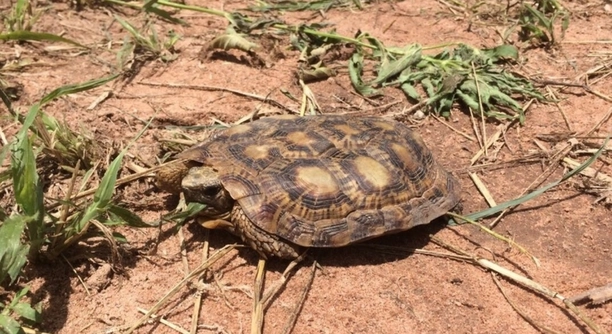
Pancake tortoises are unique creatures, but sometimes they have difficulty walking. If you’re noticing this issue with your pet, it’s important to understand what might be causing the problem.
The main reasons for walking difficulties in pancake tortoises include health issues, such as arthritis or shell deformities, environmental stress, improper diet, or insufficient space. These factors can all contribute to their movement problems and need to be addressed.
By understanding the causes behind their mobility issues, you’ll be better prepared to improve your pancake tortoise’s quality of life.
Shell Deformities
Shell deformities can severely impact your pancake tortoise’s ability to walk. Their shells provide essential support for their body, and any irregularities can throw off their balance and movement. These deformities can occur due to poor nutrition, lack of proper space, or even genetic issues. It’s important to regularly check your tortoise’s shell to ensure it is growing symmetrically and doesn’t show signs of deformity.
Improper diet is often a factor contributing to shell deformities. Inadequate calcium intake or poor-quality food can lead to soft or misshapen shells.
A well-balanced diet, including calcium-rich foods and access to UVB lighting, helps strengthen your tortoise’s shell and overall health. If deformities are observed, consulting a vet is crucial to avoid worsening conditions. Proper care can prevent these issues from hindering your tortoise’s movement and overall well-being.
Arthritis and Joint Pain
Joint pain and arthritis can make movement difficult for pancake tortoises. As they age, their joints may become stiff or swollen, leading to painful walking. This can happen naturally, or due to inadequate living conditions. Overcrowded spaces, hard surfaces, or poor bedding materials can put stress on their joints.
Regularly changing the environment to a more natural habitat and providing soft, comfortable surfaces can help reduce joint strain.
Additionally, ensuring your tortoise gets enough exercise and maintaining a healthy weight can reduce the pressure on their joints. If you suspect arthritis, a visit to a vet for pain management and appropriate care can improve their mobility.
Lack of Space to Move
Pancake tortoises need plenty of space to move around. If their enclosure is too small or overcrowded, they may struggle to walk properly. Limited space prevents them from exercising and stretching their legs, which affects muscle strength and flexibility.
To ensure proper movement, their habitat should be large enough for them to roam freely. A spacious, clean area encourages natural behavior and helps maintain muscle tone. Adding hides and objects for climbing can also improve their overall well-being, as tortoises enjoy exploring their surroundings. When they have enough space, their mobility will improve significantly.
Proper ventilation is another key aspect to consider. Stale air in a cramped environment can lead to respiratory issues, adding stress that impacts movement. A well-ventilated, spacious area will keep your tortoise comfortable and encourage activity. Regularly cleaning the space will also promote a healthier environment, preventing illness that could interfere with their ability to walk.
Improper Diet
An improper diet can directly affect your pancake tortoise’s mobility. Without the right nutrients, such as calcium and vitamins, their bones and joints may weaken, leading to difficulty moving. A diet too low in fiber or high in protein can also cause health issues.
Feeding your tortoise a varied diet that includes leafy greens, vegetables, and fruits, along with occasional calcium supplements, is essential. Be sure to avoid foods high in oxalates, which can interfere with calcium absorption. A balanced diet supports bone health and overall strength, improving your tortoise’s ability to walk.
Additionally, ensure your tortoise has access to UVB lighting, which helps them process vitamin D3 for calcium absorption. Without this, they may develop metabolic bone disease, weakening their skeleton and making movement more difficult. Offering the right diet, along with proper lighting, is key for healthy growth and mobility.
Overheating and Stress
Overheating can lead to stress in pancake tortoises, affecting their movement. High temperatures in their environment may make them sluggish and weak. This can cause difficulty in walking and hinder their natural behavior.
To prevent overheating, ensure your tortoise’s habitat has a proper temperature gradient. Offer shaded areas, and provide cool hiding spots. Monitoring temperature is essential, as too much heat can stress the tortoise and lead to dehydration. Always keep their environment at the recommended temperature range to keep them active and healthy.
Infections and Illnesses
Infections or illnesses can contribute to walking issues in pancake tortoises. Respiratory infections, parasites, or internal health problems can lead to weakness, loss of appetite, and lethargy. A sick tortoise might not have the energy or strength to walk properly.
Regular vet check-ups are vital in catching infections early. If you notice any signs of illness, such as abnormal behavior or difficulty moving, it’s essential to consult with a reptile vet. Timely treatment can help prevent more serious complications and restore mobility.
Poor Lighting Conditions
Poor lighting is another factor that could affect your pancake tortoise’s ability to walk. Without proper UVB lighting, they cannot process essential nutrients like calcium, which can lead to bone weakness and joint issues.
Investing in a quality UVB light source is essential for your tortoise’s health. Proper lighting not only supports their calcium absorption but also regulates their circadian rhythm. Tortoises need exposure to natural daylight or appropriate artificial UVB light to stay active and healthy.
FAQ
What temperature should my pancake tortoise’s enclosure be?
The ideal temperature for a pancake tortoise’s enclosure should range between 75°F and 85°F during the day, with a basking area reaching up to 95°F. At night, temperatures can drop to around 70°F. It’s important to provide a temperature gradient, with warmer areas for basking and cooler zones for resting. A proper temperature range helps maintain your tortoise’s health, metabolism, and activity levels.
How can I tell if my pancake tortoise is sick?
Signs of illness in pancake tortoises include lethargy, loss of appetite, abnormal walking patterns, difficulty breathing, and abnormal feces. You may also notice swollen eyes or nasal discharge. If your tortoise is not moving or eating as usual, it’s important to get it checked by a vet. Prompt diagnosis and treatment can prevent more serious health issues from developing.
Can I keep multiple pancake tortoises together?
Yes, but be careful when housing multiple pancake tortoises. They can be territorial and may fight, especially if the space is too small. Make sure their enclosure is large enough for them to each have their own territory. Provide hiding spots and plenty of space to reduce the chances of conflict. If you notice signs of aggression, you may need to separate them.
What should I feed my pancake tortoise?
A pancake tortoise’s diet should consist mainly of leafy greens such as dandelion greens, collard greens, and kale. You can also offer a variety of vegetables like bell peppers and squash. Fruits should be given in moderation. Additionally, provide a calcium supplement regularly to ensure proper shell and bone health. Avoid feeding them high-protein or high-fat foods, which can cause health issues.
Is UVB lighting essential for my pancake tortoise?
Yes, UVB lighting is crucial for a pancake tortoise’s health. It helps them synthesize vitamin D3, which is necessary for calcium absorption. Without UVB light, your tortoise may develop metabolic bone disease, causing weak bones and joints. A proper UVB light source should be provided for 10-12 hours a day to mimic natural sunlight. Regularly replace the bulbs to ensure proper UVB output.
How often should I clean my pancake tortoise’s enclosure?
Cleaning your tortoise’s enclosure regularly is important for its health. Spot clean daily by removing waste, uneaten food, and soiled bedding. Perform a full cleaning every 1-2 weeks, including washing the walls, substrate, and any accessories. Make sure the enclosure stays dry to prevent bacterial growth. A clean habitat will help reduce the risk of infections and keep your tortoise healthy.
Can a pancake tortoise survive without access to water?
No, pancake tortoises still need water for hydration. While they may not spend a lot of time in water, they require fresh water daily for drinking and soaking. Soaking helps them stay hydrated and can aid in digestion. Make sure to provide a shallow water dish that is easy for them to access, but not deep enough for them to drown in.
How long do pancake tortoises live?
Pancake tortoises can live up to 30-40 years in captivity with proper care. Their longevity depends on factors such as diet, habitat conditions, and overall health. A well-maintained environment with proper lighting, temperature, and a nutritious diet can help extend their lifespan and keep them active for many years.
Can I feed my pancake tortoise commercial food?
While commercial tortoise food can be used as a supplement, it should not be the main part of your tortoise’s diet. Fresh vegetables, greens, and fruits are the best sources of nutrition. Commercial foods can be high in protein and low in fiber, which can cause health problems. Always prioritize natural foods for the most balanced diet.
How do I handle my pancake tortoise?
Pancake tortoises are generally not a species that likes being handled often. They may become stressed if handled too much, so it’s best to limit interaction. When handling, be gentle and avoid grabbing their legs or shell. Support their body evenly to prevent injury. Handling should be brief and done with care.
Final Thoughts
Caring for a pancake tortoise requires attention to detail and understanding their specific needs. These tortoises are unique and can face mobility issues for various reasons, including shell deformities, arthritis, lack of space, and improper diet. It’s essential to monitor their health closely and create an environment that supports their physical well-being. Providing the right care, such as a balanced diet, proper lighting, and enough space, can prevent or address many of the issues that might cause them to struggle with walking.
If your tortoise is having trouble walking, it’s crucial to act quickly. Early intervention can help reduce discomfort and prevent further complications. Regular veterinary visits are important to keep track of your tortoise’s health and address any concerns as soon as they arise. A simple change in their living conditions, like providing more space or improving their diet, can make a significant difference. Making sure they have the right environment can enhance their quality of life, keeping them active and mobile.
Lastly, while these issues can be concerning, they are often manageable with the right care and attention. Keeping your pancake tortoise’s habitat clean, offering them proper nutrition, and ensuring their living conditions are comfortable and stress-free will help them live a long, healthy life. With the proper support, your pancake tortoise can continue to thrive and move with ease. It’s about providing the right balance of care and understanding their individual needs.

Hello,
If you enjoy the content that we create, please consider saying a "Thank You!" by leaving a tip.
Every little bit helps us continue crafting quality advice that supports the health, happiness, and well-being of pets around the world, for pets of all shapes, sizes, and species.
We really appreciate the kindness and support that you show us!