
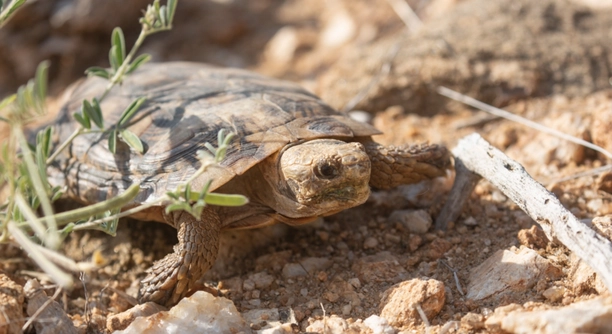
Pancake tortoises are unique creatures with quirky behaviors that can leave you wondering about their actions. One such behavior is rubbing their shells, which might seem odd, but there are specific reasons behind it.
The most common reason for a pancake tortoise rubbing its shell is to help with shedding or to alleviate discomfort. The rubbing can also be a natural response to stress, irritation, or seeking a more comfortable position.
Understanding these behaviors can help you better care for your pancake tortoise and address any concerns. Let’s explore the different reasons behind this curious action and how to respond accordingly.
Shedding Process and Shell Care
Pancake tortoises, like many reptiles, shed their skin as they grow. Shell rubbing is often a part of this process. Over time, the skin and scutes (the hard plates on their shells) can loosen and need to be removed. Rubbing against rough surfaces helps to speed up this natural shedding. It’s a way for them to scratch away any dead skin or unwanted layers. During this time, it’s important to make sure your tortoise has plenty of space and access to appropriate surfaces for rubbing, like rocks or rough bedding, so it can complete this process comfortably.
If the rubbing seems excessive or looks painful, it may indicate a problem. Watch for signs of irritation, as unhealthy shedding can lead to infections or other issues with their shell. Keeping the habitat clean and offering proper humidity will encourage healthy shedding.
If you notice your pancake tortoise rubbing its shell, it’s likely performing a natural behavior. However, if the action seems more aggressive or prolonged, it could be worth investigating other potential causes. Proper care is crucial during the shedding period to ensure they don’t face complications.
Stress and Discomfort
Stress can trigger a variety of behaviors in pancake tortoises. When they feel threatened or uncomfortable, they might rub their shells against objects or surfaces. This could be an attempt to relieve pressure or find a more secure position. The stress can come from environmental changes, like unfamiliar surroundings or loud noises. It’s also common when their enclosure is too small, making them feel crowded or unsafe.
Stress can affect their overall well-being, so it’s essential to provide them with a quiet, calm, and spacious environment. Adequate hiding spots, proper lighting, and correct temperature control are key factors to reducing their stress levels. When a tortoise feels safe, the likelihood of them rubbing their shell for stress relief decreases.
Pay attention to any changes in behavior, as this could be an indicator of something wrong in their environment. Keeping their surroundings stable can help reduce stress and the need for such actions.
Shell Irritation or Injury
If your pancake tortoise is rubbing its shell more than usual, it could be trying to soothe irritation or pain. Small cuts, scrapes, or even internal injuries can make them uncomfortable. Rubbing against surfaces may provide some relief. It’s essential to check for any visible signs of damage, like cracks, swelling, or redness.
In some cases, irritation can also occur due to rough bedding or objects in their environment. Sharp rocks or coarse surfaces can scrape their shells and cause discomfort. If you notice any signs of injury, it’s best to remove anything that could be causing harm.
If your tortoise continues rubbing or shows signs of distress, a vet visit may be necessary. Shell injuries can lead to more severe issues if left untreated. Taking proactive steps to inspect your tortoise regularly can help avoid unnecessary pain.
Overheating or Temperature Discomfort
A pancake tortoise might rub its shell as a response to feeling too warm or cold. If the temperature in its environment is off, it may attempt to find relief by rubbing against surfaces that can help it cool down or warm up. Proper temperature control is crucial to their comfort.
Make sure your tortoise has access to areas with varying temperatures so it can regulate its body heat. A warm basking spot should be available, but there should also be cooler areas for the tortoise to move to if it feels overheated. Consistent temperature checks will help avoid the discomfort caused by extreme conditions.
In addition to temperature, the humidity level can also affect your tortoise. If the humidity is too low, your tortoise may rub its shell more frequently to help regulate its skin moisture. Keep a consistent balance in the environment to ensure your pancake tortoise stays comfortable.
Inadequate Habitat Space
When a pancake tortoise feels confined or cramped, it may begin rubbing its shell in search of more space. A small enclosure can cause stress and make them feel trapped, leading them to rub against walls or objects in an attempt to escape. This behavior is common when the living area is too crowded.
Ensuring your tortoise has a spacious habitat is vital for its well-being. The larger the area, the more freedom it has to explore and find comfort. A cramped space will lead to frustration, making shell rubbing more frequent.
Mating Behavior
Shell rubbing can sometimes be a sign of mating behavior. Male pancake tortoises may engage in this behavior as part of courtship rituals. They may rub their shells against objects, including the female’s shell, as a way of showing interest. This action can be seen during the breeding season.
If you notice this behavior occurring regularly and it’s not linked to any of the previously mentioned causes, it might simply be part of natural courtship. Pay attention to whether there are any changes in activity patterns or other signs of mating attempts.
Seeking Comfort
A pancake tortoise might rub its shell when it’s looking for a more comfortable position to relax. If the surface it’s resting on is too hard or uncomfortable, it might rub to adjust its posture. This can be common when the bedding material isn’t soft enough for them to settle easily.
Providing soft bedding, like coconut husk or moss, can encourage a more comfortable resting spot. It’s important to ensure that the area is free from debris or sharp objects that could make your tortoise uncomfortable. Proper bedding helps promote a healthy and relaxing environment.
FAQ
Why is my pancake tortoise rubbing its shell on the ground?
Rubbing its shell on the ground is often a natural behavior for pancake tortoises. It could be shedding, trying to relieve stress, or seeking a more comfortable spot. If your tortoise is shedding, the rubbing helps remove old skin or scutes. If it’s stressed, it may rub to find comfort. If this behavior seems excessive, it’s important to check its environment for signs of discomfort, such as inadequate space, temperature, or injury.
Can shell rubbing be a sign of an injury?
Yes, rubbing can sometimes indicate an injury. If your tortoise has a wound or scrape on its shell, it may rub to relieve irritation or pain. Check for any visible signs of damage, such as cracks, swelling, or discoloration. In the case of an injury, removing sharp objects from the environment is crucial, and it’s best to consult a vet to prevent infection or further damage.
How can I tell if my tortoise is stressed?
Stress in pancake tortoises can be caused by a variety of factors, including loud noises, sudden changes in their environment, or a lack of space. Signs of stress include constant shell rubbing, hiding, or a lack of appetite. To reduce stress, ensure your tortoise has a quiet, spacious habitat with proper lighting, temperature, and humidity levels.
Is it normal for my pancake tortoise to rub its shell against objects in its habitat?
Yes, this is completely normal. Rubbing against objects like rocks or the enclosure’s walls can help your tortoise shed skin, seek comfort, or even relieve stress. It’s their way of interacting with their environment. Just make sure that the objects it rubs against are safe and not too rough, as they could potentially cause injury.
How do I know if my tortoise’s shell rubbing is part of natural behavior or a problem?
If your tortoise rubs its shell gently and occasionally, it’s likely part of its natural behavior. However, if the rubbing seems excessive, aggressive, or persistent, it may be a sign of stress, discomfort, or injury. Observing other behaviors, such as changes in appetite, activity levels, or appearance, can help determine if the rubbing is normal or a cause for concern.
What can I do if my pancake tortoise is rubbing its shell too much?
If your tortoise is rubbing excessively, the first step is to check its environment. Ensure it has enough space, proper temperature, and humidity levels. Make sure it has safe surfaces to rub against, like rocks or rough bedding. If the rubbing continues or if you notice signs of injury or stress, a vet visit might be necessary.
Is shell rubbing a sign of a health problem in pancake tortoises?
It can be, especially if the behavior is persistent. While occasional rubbing is normal, continuous or intense rubbing may indicate an underlying health issue. It could be due to stress, injury, shedding problems, or discomfort from an improperly maintained habitat. Keep an eye on other symptoms, such as lethargy or appetite loss, and consult a vet if necessary.
What should I do if my pancake tortoise is constantly rubbing its shell on the glass?
Constant rubbing on the glass could indicate that your tortoise feels cramped or stressed. If the enclosure is too small, it may be trying to find more space or escape. Make sure the enclosure is large enough to allow the tortoise to move freely and has enough hiding spots for it to feel secure. Also, check the temperature and humidity to make sure they’re within the ideal range for your tortoise.
Could improper lighting be causing my tortoise to rub its shell?
Yes, inadequate lighting can contribute to stress or discomfort. Pancake tortoises need a proper balance of UVB and heat lamps to maintain their health. If the lighting is not correct, they may feel uncomfortable or stressed, which could lead to rubbing their shell. Make sure your tortoise has access to a basking spot with appropriate heat and UVB lighting to help it feel secure and comfortable.
How can I help my pancake tortoise shed properly?
Proper shedding is essential for your tortoise’s health. To encourage shedding, ensure your tortoise has the right humidity levels in its enclosure. You can add a shallow water dish to help maintain moisture, or use a humidifier to keep the air moist. Providing rough surfaces like rocks or logs will also help your tortoise remove old skin and scutes. If shedding problems persist, it may be a good idea to visit a vet.
Can a pancake tortoise rub its shell out of boredom?
Yes, boredom can lead to repetitive behaviors, including shell rubbing. Pancake tortoises are naturally curious and active, so a lack of stimulation can cause them to act out. Providing enrichment, such as new hiding spots, obstacles to climb, or food puzzles, can help keep your tortoise engaged and reduce any behaviors born from boredom.
Final Thoughts
Understanding why your pancake tortoise rubs its shell is key to ensuring its well-being. Rubbing its shell can be a natural part of shedding or a way to relieve stress. It’s important to observe the behavior closely to distinguish between normal actions and signs of distress. In most cases, rubbing helps them with shedding or finding comfort. However, excessive or aggressive rubbing could indicate that something is wrong, such as an injury, environmental stress, or temperature discomfort. Keeping track of other behaviors, such as eating habits or activity levels, can help determine if there’s an underlying issue.
Taking proper care of your tortoise’s environment is essential to avoid unnecessary stress or discomfort. Providing a spacious, secure habitat with the correct temperature and humidity levels will help your tortoise feel comfortable and safe. Ensuring that it has access to safe surfaces for rubbing, like rocks or rough bedding, is equally important. This allows your tortoise to naturally shed and seek comfort. Make sure the enclosure is clean and free of sharp objects that could cause injury or irritation. If you’re unsure whether your tortoise’s behavior is normal, it’s always a good idea to consult a vet for guidance.
Lastly, patience and observation are key when caring for your pancake tortoise. It’s normal for them to rub their shell from time to time, but understanding the cause behind the behavior can help you provide the best care possible. Regularly monitoring their health and environment will ensure they stay happy and healthy in the long run. If you notice any persistent changes in behavior or other signs of health issues, don’t hesitate to reach out to a veterinarian. By staying proactive and attentive, you can help your tortoise thrive and live a comfortable, healthy life.

Hello,
If you enjoy the content that we create, please consider saying a "Thank You!" by leaving a tip.
Every little bit helps us continue crafting quality advice that supports the health, happiness, and well-being of pets around the world, for pets of all shapes, sizes, and species.
We really appreciate the kindness and support that you show us!