
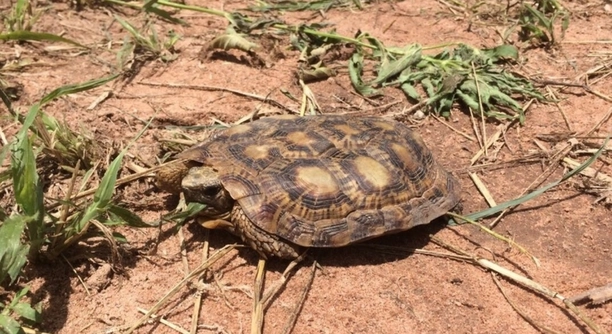
Pancake tortoises are unique creatures, and their behavior can sometimes leave you wondering what might be causing certain actions. One such behavior is scratching their shells. This article will explain why this happens and how to address it.
The most common reason your pancake tortoise scratches its shell is due to discomfort or irritation. Environmental factors, such as humidity or rough surfaces, can trigger this behavior. Additionally, shell condition or external parasites may contribute to the scratching.
Understanding these factors can help you identify the underlying causes and take the necessary steps to improve your tortoise’s well-being.
Environmental Factors: Humidity and Rough Surfaces
Humidity plays a significant role in a pancake tortoise’s behavior. These reptiles thrive in areas with a steady level of moisture. If their environment is too dry or lacks proper humidity, they might scratch their shells to try and relieve discomfort. In addition to humidity, rough or abrasive surfaces can irritate the shell, causing them to scratch as a form of self-soothing. Ensuring that your tortoise has a balanced, humid habitat and providing softer surfaces for them to walk on can help reduce this behavior.
The key to preventing environmental irritation is creating a stable environment that mimics their natural habitat. Provide a humidity level of around 60-70% and offer hiding spots where they can escape from harsh conditions.
Regularly check the surfaces in your tortoise’s enclosure to ensure they aren’t causing any irritation. Smooth, non-abrasive surfaces will help minimize discomfort and scratching. If your tortoise continues to scratch despite these changes, it may be a sign of another issue that requires attention.
Shell Condition and External Factors
Scratches on a tortoise’s shell can sometimes indicate an underlying issue with the shell’s health or the presence of external parasites. Regularly inspect the shell for signs of damage or fungal infections that might be causing irritation.
Shell condition is crucial to a pancake tortoise’s well-being. If your tortoise’s shell has any cracks, lesions, or infections, it may scratch to relieve the discomfort these conditions cause. Additionally, parasites such as mites can make their way onto the shell and cause itching. Ensuring that the shell is in good condition and free from parasites can prevent unnecessary scratching.
Regular cleaning and maintenance of the shell are essential for keeping your tortoise comfortable. A healthy, well-maintained shell will help reduce the urge to scratch, so keeping an eye on its condition is vital for overall health. If you notice signs of infection or parasitic activity, consult a vet for proper treatment.
Stress and Anxiety
Pancake tortoises can sometimes scratch their shells due to stress. Changes in their environment, loud noises, or the presence of other animals can make them feel anxious. Identifying the source of stress is essential to reduce scratching behavior.
Stress is a common trigger for scratching. Tortoises, like many animals, have a natural instinct to escape uncomfortable situations. If they are feeling threatened or uneasy, they may scratch their shells as a way to cope. Monitoring the environment for any changes can help pinpoint stressors.
To reduce stress, consider creating a more peaceful habitat. Limit sudden changes, provide hiding spots, and avoid introducing new animals too quickly. A calm, stable environment will help your tortoise feel secure and less likely to scratch.
Improper Diet and Nutritional Deficiencies
A poor diet may also lead to scratching behavior. If your pancake tortoise isn’t getting the right nutrients, it could experience skin issues or other discomforts. Ensuring a balanced diet is crucial for preventing these problems.
Feeding your tortoise a variety of leafy greens, vegetables, and occasional fruits can support its overall health. A lack of calcium or vitamin D can lead to shell issues, prompting the tortoise to scratch. Consider supplementing their diet with calcium powder if necessary.
Consulting a veterinarian about the appropriate diet for your tortoise can ensure it receives all the necessary nutrients. Regularly reviewing the diet and making adjustments as needed will keep your tortoise healthy and reduce unnecessary scratching.
Overcrowding and Lack of Space
Overcrowding can contribute to a tortoise’s scratching behavior. If your pancake tortoise’s enclosure feels too cramped, it may become agitated. Proper space is essential for their well-being, allowing them to move freely.
A tortoise that feels crowded may scratch its shell as a way to express frustration. Offering more room for your tortoise can help alleviate this. Be sure to check the size of their enclosure regularly to ensure they have enough space to roam and explore without stress.
Inadequate Temperature Regulation
Temperature regulation is vital for a pancake tortoise’s comfort. If the enclosure is too hot or too cold, your tortoise may begin to scratch its shell. This behavior often occurs as a reaction to extreme temperatures that make them feel uncomfortable.
Maintaining an appropriate temperature gradient within the enclosure is key. Provide a basking spot where they can warm up and a cooler area where they can retreat. This helps regulate their body temperature, preventing unnecessary scratching due to heat or cold stress. Make sure to monitor the temperature consistently to keep it within a suitable range for your tortoise’s needs.
Shell and Skin Infections
Shell infections or skin irritations can cause your tortoise to scratch. Bacterial or fungal infections are often the underlying cause. Regularly checking for signs of infection, such as swelling or unusual growths, is essential.
If you notice any discoloration, swelling, or soft areas on the shell, take action immediately. Bacterial and fungal infections can spread quickly, causing further discomfort. Consult a veterinarian to ensure proper treatment if you suspect an infection.
FAQ
Why is my pancake tortoise scratching its shell?
Scratching can occur due to discomfort caused by various factors, including stress, environmental conditions, and health issues. A dry or overly humid habitat, rough surfaces, or a poor diet can lead to irritation, prompting scratching. Stress from overcrowding or changes in the environment can also cause this behavior. It’s important to observe their habitat and health closely to determine the root cause.
How can I improve my tortoise’s habitat to stop scratching?
Improving the habitat involves creating a stable and comfortable environment. Ensure the humidity level is around 60-70%, with areas for both warmth and cooling. Use non-abrasive materials for flooring and provide hiding spots to reduce stress. Regularly monitor the enclosure’s temperature and humidity levels to maintain a healthy balance. Make sure they have enough space to move around freely and avoid overcrowding.
Could parasites be causing my pancake tortoise to scratch its shell?
Yes, parasites like mites and ticks can cause irritation, leading to scratching. If you notice unusual marks or swelling on the shell, parasites could be the cause. Regular shell checks and hygiene are essential. If you suspect an infestation, consult a veterinarian for advice on appropriate treatments.
What should I feed my pancake tortoise to prevent scratching?
A balanced diet rich in leafy greens, vegetables, and fruits is crucial for your tortoise’s health. Ensure they receive enough calcium and vitamin D to support their shell development. Consider supplementing their diet with calcium powder to prevent nutritional deficiencies that could lead to shell issues and scratching.
How can I tell if my tortoise’s shell is unhealthy?
Signs of an unhealthy shell include cracks, soft spots, discoloration, or swelling. If the shell appears damaged or there are visible growths, it’s a sign that something might be wrong. Inspect the shell regularly for these signs, as well as any unusual behavior like excessive scratching. Promptly addressing shell issues can prevent further complications.
Can stress from other animals cause scratching behavior in my tortoise?
Yes, the presence of other animals can cause stress in your tortoise, leading to scratching. If you have other pets, they might create a threatening environment, which can make your tortoise feel anxious or insecure. Reducing the presence of other animals or creating separate enclosures may help reduce stress and prevent scratching.
What temperature should I maintain in my tortoise’s enclosure to avoid scratching?
Maintaining a proper temperature gradient is crucial for your tortoise’s comfort. The basking area should be around 90°F (32°C), while the cooler area should be between 75-80°F (24-27°C). This temperature variation allows your tortoise to regulate its body heat and feel comfortable. Consistently monitoring the temperature will help prevent discomfort that could lead to scratching.
Can overcrowding in the enclosure cause scratching in tortoises?
Yes, overcrowding can cause stress and discomfort, leading to scratching. If your tortoise feels crowded or confined, it may scratch its shell as a way to cope. Ensure that your enclosure is large enough to allow your tortoise to move freely. Providing more space can reduce stress and promote healthier behavior.
What are the signs of shell infection in my pancake tortoise?
Signs of shell infection include redness, swelling, softness, or unusual growths on the shell. If your tortoise is scratching more than usual, it could be due to pain or discomfort caused by an infection. Check for any signs of fungal or bacterial growth. If you detect an infection, seek veterinary care immediately to prevent it from spreading.
How can I prevent shell infections in my tortoise?
Maintaining proper hygiene in the tortoise’s enclosure is key to preventing infections. Clean the shell regularly, and ensure the habitat remains dry and free of contaminants. Avoid sharp objects or rough surfaces that could cause injuries. If your tortoise is injured, clean the wound and treat it with appropriate antiseptic products. Regular veterinary checkups can help catch potential infections early.
How often should I check my tortoise’s shell for signs of damage or infection?
It’s best to check your tortoise’s shell at least once a week for signs of damage or infection. Look for cracks, discoloration, or areas of swelling. Also, check for signs of irritation or parasites that could lead to scratching. The more often you check, the sooner you can identify and address any issues.
What is the best way to reduce stress for my pancake tortoise?
To reduce stress, create a peaceful and stable environment. Avoid sudden changes in temperature, lighting, or the introduction of new animals. Provide hiding spots, like caves or plants, where your tortoise can retreat and feel safe. Regularly check the enclosure to ensure it’s free from threats or disruptions that could cause anxiety.
Final Thoughts
Pancake tortoises are fascinating creatures with unique needs, and understanding why they scratch their shells is essential for their well-being. Scratching can often be a sign of discomfort, whether from environmental factors, stress, or health issues. Identifying the cause early can help ensure that your tortoise remains happy and healthy. By observing their behavior and making necessary adjustments to their habitat and care routine, you can address scratching and prevent it from becoming a more serious issue.
One of the most effective ways to reduce scratching is by maintaining an environment that is comfortable and stress-free for your tortoise. This includes providing ample space, proper temperature regulation, and a balanced diet. If your tortoise is scratching due to a specific condition like an infection, parasite, or shell damage, it’s important to take action quickly. Regular health checks and proper care can go a long way in preventing these issues from escalating. Your tortoise’s habitat should be designed to promote comfort, reduce stress, and encourage natural behavior.
It’s also crucial to remember that each tortoise is unique, and what works for one may not work for another. Some tortoises may scratch occasionally due to minor discomfort, while others may be more sensitive to changes in their environment. Understanding your tortoise’s specific needs and behavior will help you provide the best care possible. With attention to detail, patience, and proactive care, you can address any scratching behavior and ensure your pancake tortoise lives a happy, healthy life.

Hello,
If you enjoy the content that we create, please consider saying a "Thank You!" by leaving a tip.
Every little bit helps us continue crafting quality advice that supports the health, happiness, and well-being of pets around the world, for pets of all shapes, sizes, and species.
We really appreciate the kindness and support that you show us!