
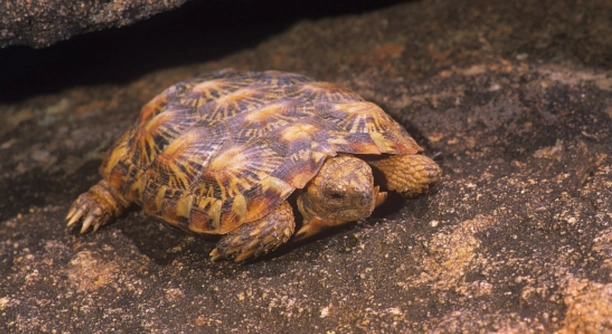
Pancake tortoises are known for their calm and quiet nature, but if yours is making unexpected noises, there may be a reason behind it. Understanding these sounds can help you ensure their well-being and happiness.
Pancake tortoises can make noises due to stress, discomfort, or communication with their surroundings. External factors, such as temperature or habitat changes, may also cause them to vocalize. Identifying the cause can help address their needs and prevent further stress.
Exploring these factors will help you understand why your pancake tortoise is making noises and how to provide a more comfortable environment.
Stress and Anxiety in Pancake Tortoises
One common reason pancake tortoises make noise is due to stress or anxiety. Tortoises can become stressed when their environment changes or when they feel threatened. This can lead to hissing, clicking, or even vocalizations in extreme cases. New additions to their habitat, loud noises, or too much handling can all trigger this stress response. Additionally, if the tortoise feels cornered or trapped, it may start making noise to express discomfort. It is important to observe their behavior to identify what might be causing the stress and address it accordingly.
Ensuring that your tortoise’s enclosure is quiet, safe, and stable can reduce stress levels. Avoid frequent changes to their environment and limit unnecessary handling to keep them calm.
A pancake tortoise’s well-being can be significantly impacted by how secure and calm its environment is. To help reduce stress, consider adding hiding spots or areas where the tortoise can retreat. This can provide a sense of safety. Additionally, check the habitat’s temperature and humidity levels to ensure they are within the recommended range. Proper care will help create a stable and relaxing space for your tortoise.
Discomfort Due to Habitat Conditions
Habitat conditions can also lead to noises. When the temperature or humidity is not suitable, tortoises may make sounds.
Incorrect Temperature or Humidity Levels
Pancake tortoises are sensitive to changes in their environment. If the temperature or humidity levels in their habitat are too high or low, they may begin to vocalize. These noises are often a way of signaling discomfort. It’s crucial to maintain the appropriate range for these factors to avoid unnecessary stress.
A temperature range between 85-95°F during the day is ideal for pancake tortoises, with a nighttime drop to around 70°F. Humidity should be maintained at 60-70% to ensure a comfortable environment. Any drastic deviations from these conditions may lead to hissing, breathing sounds, or other vocalizations.
Make sure your tortoise’s enclosure is equipped with a thermometer and hygrometer to monitor these levels. This will help you avoid creating an environment that is too harsh. Consistent monitoring and adjustments will keep your tortoise healthy and comfortable, reducing the likelihood of stress-related noises.
Health Issues or Injury
Health problems or injury can cause a pancake tortoise to make unusual sounds. Any kind of pain or discomfort might prompt them to vocalize as a response. Whether due to a minor injury or a more serious issue, sounds may become more frequent.
If you notice persistent vocalizations alongside other signs of distress, such as lethargy or difficulty moving, it’s important to assess the tortoise’s condition. Injuries or internal issues, like shell problems, can cause significant discomfort. A vet visit may be necessary to diagnose and treat the problem. Early intervention will reduce the risk of long-term complications.
Overcrowding in the Enclosure
Overcrowding can lead to stress and discomfort for pancake tortoises. When there are too many tortoises in a small space, they may start making noise due to territorial behavior. Providing enough room for each tortoise is key to reducing tension and vocalizations.
Make sure that each tortoise has its own space to retreat and explore. Overcrowding can also lead to fighting or increased stress, both of which cause discomfort. It’s important to observe the animals’ behavior closely to ensure they are not competing for territory.
Insufficient Hiding Spots
Without enough hiding spots, pancake tortoises may feel exposed and anxious. These tortoises require areas where they can retreat to feel secure. Lack of hiding spots can increase vocalizations as they seek comfort.
Ensure that the habitat has several hiding spots where the tortoise can go when feeling stressed or threatened. Hiding spaces help reduce anxiety and offer a sense of security. By meeting this need, you can prevent unnecessary sounds and improve their overall well-being.
FAQ
Why is my pancake tortoise making noise?
Pancake tortoises typically make noise as a response to stress, discomfort, or injury. If the environment is not ideal or if they feel threatened, they may vocalize. Changes in temperature, humidity, or overcrowding can also cause them to make sounds. It’s important to evaluate their habitat and overall health to identify the cause.
How can I reduce the noise my pancake tortoise makes?
Start by making sure the temperature and humidity levels in their habitat are within the proper range. Add enough hiding spots and ensure there’s enough space for them to move freely. Reducing stressors, such as loud noises or overcrowding, can also help create a more peaceful environment.
Can health problems cause my pancake tortoise to make noise?
Yes, health issues or injury can lead to vocalizations. If your tortoise is in pain, it may make sounds as a response. Look for signs of injury, such as difficulty moving or changes in behavior. If the noise persists, it’s advisable to visit a vet to rule out any health concerns.
Is it normal for pancake tortoises to make noise?
While pancake tortoises are generally quiet, they may make noises in certain situations. It’s normal for them to vocalize when they feel stressed or uncomfortable. However, consistent or loud sounds can indicate a problem that needs attention, such as habitat issues or health concerns.
How do I know if my pancake tortoise is stressed?
Signs of stress in pancake tortoises include vocalizations, hiding, or changes in behavior like reduced activity or loss of appetite. Stress can also cause them to become more aggressive or withdrawn. Regularly check their environment and health to ensure they’re not experiencing stress triggers.
What temperature and humidity should I keep my pancake tortoise habitat?
The temperature should be between 85-95°F during the day and around 70°F at night. The humidity should be maintained at 60-70%. These conditions help ensure the comfort of your tortoise and prevent stress-related sounds caused by unsuitable habitat conditions.
Can a dirty enclosure cause my pancake tortoise to make noise?
Yes, a dirty enclosure can contribute to stress. If the enclosure is not cleaned regularly, it can lead to poor air quality, build-up of waste, and an unpleasant environment. Keeping the habitat clean will not only reduce stress but also prevent health problems that could lead to vocalizations.
How often should I clean my pancake tortoise’s enclosure?
The enclosure should be cleaned regularly, at least once a week, to maintain a healthy environment. Spot cleaning can be done more frequently, especially if waste accumulates quickly. A clean habitat will ensure your tortoise remains comfortable and less likely to vocalize due to discomfort.
Can other animals in the enclosure cause my pancake tortoise to make noise?
Yes, if other animals are sharing the same space, their presence could cause stress to your pancake tortoise. This can lead to territorial behavior, fighting, or vocalizations. It’s important to ensure that the species sharing the space are compatible and that your tortoise has enough room to feel safe.
Should I provide more hiding spots for my pancake tortoise?
Yes, hiding spots are crucial for providing a sense of security. Pancake tortoises, like most reptiles, need areas where they can retreat to feel safe. Adding more hiding spots can help reduce anxiety, prevent vocalizations, and allow them to regulate their stress levels.
Final Thoughts
Understanding why your pancake tortoise makes noise is key to providing a better environment for it. These tortoises are typically quiet, but they will vocalize when they feel stressed, uncomfortable, or in pain. Whether it’s due to improper habitat conditions, health issues, or overcrowding, identifying the cause of the noise is the first step in resolving the issue. Observing your tortoise’s behavior, temperature, humidity levels, and overall health can help you pinpoint potential stressors and make necessary adjustments.
Addressing the root causes of noise, such as adjusting temperature and humidity, increasing space, or providing more hiding spots, can significantly reduce stress for your tortoise. Creating an environment where your tortoise feels safe and comfortable will likely lead to a decrease in unwanted sounds. If the noise persists despite environmental changes, it’s important to consider health issues. In these cases, consulting with a veterinarian will help ensure that there are no underlying medical conditions causing distress. Early intervention is crucial in managing health problems and ensuring your tortoise’s well-being.
In conclusion, while occasional noises from a pancake tortoise are normal, continuous or loud vocalizations can indicate a problem. It is essential to monitor and address any environmental or health-related issues that may be contributing to these sounds. With the right care and attention, you can create an environment that promotes comfort and reduces stress, leading to a quieter and healthier pancake tortoise. Regular maintenance of their habitat and health will go a long way in keeping your tortoise happy and comfortable.

Hello,
If you enjoy the content that we create, please consider saying a "Thank You!" by leaving a tip.
Every little bit helps us continue crafting quality advice that supports the health, happiness, and well-being of pets around the world, for pets of all shapes, sizes, and species.
We really appreciate the kindness and support that you show us!