
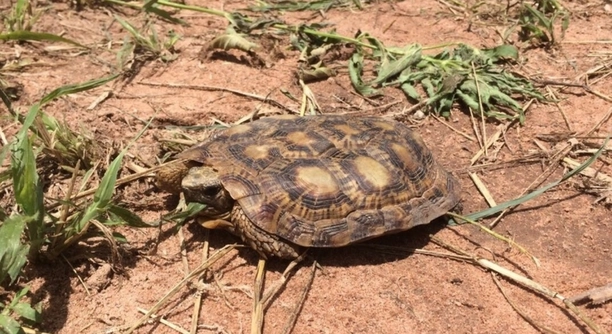
Is your pancake tortoise constantly digging in the same spot, leaving you wondering what is causing this behavior? Digging is a natural instinct for tortoises, but persistent activity in one area may indicate specific needs or environmental factors affecting their habitat.
The most common reasons for this behavior include temperature regulation, stress, and the search for a suitable hiding spot. Additionally, inadequate substrate depth, nesting instincts, and the presence of external disturbances can contribute to repetitive digging in a particular location.
Understanding these reasons will help you create a more comfortable environment for your tortoise, ensuring its well-being and minimizing unnecessary stress.
Temperature Regulation
Pancake tortoises dig to regulate their body temperature. If their enclosure is too hot or too cold, they will burrow into the substrate to find a comfortable zone. In the wild, these tortoises seek shelter under rocks or in burrows to escape extreme temperatures. Ensuring a proper temperature gradient in their habitat helps them feel secure. A basking area should be warm enough, while the cooler side should provide relief. If your tortoise frequently digs in one spot, check the temperature variations in that area to ensure they are within a comfortable range for their needs.
A consistent temperature range prevents unnecessary stress. Pancake tortoises rely on their environment to maintain body heat, so maintaining appropriate temperatures keeps them from excessive digging. Providing a well-balanced enclosure setup ensures they feel safe.
Check your enclosure’s temperature levels using a reliable thermometer. If you notice constant digging near a specific area, adjust the heat source or add a shaded section. Too much warmth can lead to overheating, while inadequate warmth may cause them to burrow deeper in search of heat. A proper heating setup allows your tortoise to regulate body temperature naturally without resorting to excessive digging.
Nesting Instincts
Female pancake tortoises dig when they are preparing to lay eggs. Even without a mate, they may exhibit nesting behavior.
Providing a nesting area with a soft substrate allows them to dig comfortably. If the space lacks suitable materials, they may continue digging in one spot. Offering an appropriate nesting area helps satisfy this instinct. Tortoises prefer specific conditions for egg-laying, including a slightly moist, warm environment with enough depth to create a nest. Without this, they may keep digging in frustration, trying to find a suitable location.
If your tortoise is showing signs of nesting behavior, ensure the enclosure includes a designated nesting section. A mixture of soil and sand mimics their natural habitat, providing the right texture for digging. Keeping this area moist but not too wet prevents dehydration and allows them to create a secure nest. For females, regular access to a proper nesting site reduces stress and encourages natural behaviors. Even if your tortoise is not actively laying eggs, having this option available helps prevent continuous digging in one spot.
Stress and Anxiety
Changes in the environment can make a pancake tortoise feel unsettled, leading to repetitive digging. Loud noises, frequent handling, or new additions to the enclosure may cause stress. A stable, quiet habitat helps them feel secure and minimizes unnecessary digging behavior.
A tortoise experiencing stress may also display other behaviors, such as hiding more often or refusing food. If digging is paired with these signs, reassess their surroundings. Avoid excessive handling and keep their habitat in a low-traffic area to reduce disturbances. If another pet or a sudden change is causing stress, consider adding visual barriers to create a more private space. Ensuring the enclosure mimics their natural habitat with proper hiding spots and stable temperature levels can significantly reduce stress-induced digging.
If stress continues despite adjustments, observe their behavior closely. Some tortoises take time to adapt to changes, while others may need additional environmental modifications. Check for potential stressors such as excessive light, vibrations, or enclosure overcrowding. Providing a predictable routine with consistent feeding and lighting schedules can help them feel at ease. A relaxed tortoise is less likely to engage in excessive, repetitive digging.
Substrate Preferences
Some tortoises dig because they dislike the texture or depth of their substrate. If the material is too compact, too loose, or uncomfortable, they may attempt to modify it to their liking by constantly burrowing in one area.
A substrate mix that resembles their natural habitat reduces unnecessary digging. A blend of soil, sand, and coconut fiber provides the right consistency for burrowing. If your tortoise avoids certain areas or keeps digging in frustration, experiment with different materials. The right balance ensures they can dig without discomfort while also providing proper humidity retention. A substrate that is too dry can irritate their skin, while overly damp conditions may lead to respiratory issues.
Observe how your tortoise interacts with the substrate. If they continuously dig but never settle, the material may be unsuitable. Adjust the depth to at least a few inches, allowing them to burrow comfortably. Mixing different textures and maintaining appropriate moisture levels creates an environment that feels natural, reducing unnecessary digging behavior.
Searching for Food
Pancake tortoises may dig if they are looking for food. In the wild, they forage for edible plants, roots, and small insects hidden beneath the surface. If they associate digging with finding food, they may continue the behavior in their enclosure.
If your tortoise frequently digs in one spot, consider adjusting its feeding routine. Providing a variety of fresh greens and occasional treats can keep them satisfied. Hiding small amounts of food in the substrate can also offer enrichment, allowing them to engage in natural foraging behaviors without unnecessary digging.
Boredom and Lack of Enrichment
A lack of mental stimulation can lead to repetitive behaviors like digging. If an enclosure is too bare, a tortoise may dig out of boredom. Adding rocks, climbing structures, and different textures encourages exploration and keeps them engaged in their environment.
Improper Humidity Levels
If humidity levels are too low, a pancake tortoise may dig to seek moisture. Ensuring the enclosure has a proper balance of humidity prevents dehydration and keeps their skin healthy. A shallow water dish and occasional misting help maintain the right conditions, reducing the need for excessive digging.
FAQ
Why does my pancake tortoise dig in the same spot every day?
Repeated digging in one area is often due to environmental preferences, stress, or instinct. If the substrate is too hard, dry, or unfamiliar, they may try to adjust it. Stress from noise, handling, or enclosure changes can also lead to repetitive digging. Ensuring a stable, well-maintained habitat with proper hiding spaces can help reduce this behavior.
Is it normal for a pancake tortoise to dig constantly?
Occasional digging is normal, but constant digging may indicate an issue. If they are frequently burrowing, check the humidity levels, temperature, and substrate quality. Lack of enrichment, stress, or the need for a better hiding spot can also contribute. Making adjustments to their environment can help minimize excessive digging.
Can digging be a sign of illness in pancake tortoises?
Persistent digging, combined with other symptoms like lethargy, loss of appetite, or difficulty breathing, may indicate an underlying health problem. Tortoises may dig when they feel unwell or uncomfortable. If you notice unusual behavior along with digging, consult a reptile veterinarian for an assessment.
How can I stop my pancake tortoise from digging too much?
Addressing the root cause is the best way to manage excessive digging. Ensure the enclosure has appropriate substrate, humidity, and temperature. Provide hiding spots and enrichment items to keep them engaged. If stress is a factor, reduce handling and keep their habitat in a quiet location.
Does a female pancake tortoise dig when she is about to lay eggs?
Yes, female pancake tortoises dig nesting sites when preparing to lay eggs. If your tortoise is female and digging frequently, she may be trying to create a suitable nest. Providing a proper nesting area with soft, moist substrate can help her feel comfortable during the process.
What type of substrate is best for reducing unnecessary digging?
A mix of sand, soil, and coconut fiber mimics their natural environment and provides a suitable texture for burrowing. The substrate should be deep enough for them to dig but not so loose that they struggle to move. Proper moisture levels also prevent discomfort and excessive digging.
Can my pancake tortoise hurt itself by digging too much?
Excessive digging is unlikely to cause direct harm, but it can indicate discomfort. If they are constantly moving substrate around or trying to dig through a hard surface, check for underlying issues. Ensuring a proper setup reduces the risk of stress-related health problems.
Should I be concerned if my tortoise stops digging suddenly?
A sudden change in behavior can be a sign of stress, illness, or environmental discomfort. If your tortoise was actively digging and then stopped without any changes in the enclosure, monitor their eating habits and activity level. A decrease in energy or appetite may indicate a health issue requiring veterinary attention.
How can I make my tortoise’s enclosure more engaging to prevent boredom?
Adding rocks, logs, climbing structures, and different textures can keep them mentally stimulated. Rearranging the enclosure occasionally also encourages exploration. Providing foraging opportunities, such as hiding food, helps keep them engaged and prevents repetitive behaviors like unnecessary digging.
Does temperature affect my tortoise’s digging behavior?
If the enclosure is too hot or cold, a tortoise may dig to escape uncomfortable temperatures. Make sure the habitat has a temperature gradient, allowing them to move between warm and cool areas. Proper heating and lighting setups ensure a comfortable environment that minimizes excessive digging.
Final Thoughts
Pancake tortoises naturally dig as part of their behavior, whether for hiding, regulating temperature, or preparing a nesting site. While some digging is expected, excessive or repetitive digging in one spot may indicate an issue with their environment. Checking substrate quality, humidity, and temperature can help determine if adjustments are needed. Stress, lack of enrichment, or an unsuitable hiding space can also contribute to this behavior. Ensuring their habitat closely mimics their natural environment reduces unnecessary digging and keeps them comfortable. Providing proper care and monitoring their behavior will help maintain their overall well-being.
Understanding why your tortoise is digging in one spot can prevent potential health issues and improve their quality of life. If they continue digging despite environmental adjustments, observing other behaviors can give further insight. Signs like restlessness, loss of appetite, or excessive hiding may suggest stress or illness. In these cases, consulting a reptile veterinarian is recommended. Regular health checks, proper nutrition, and maintaining a stress-free environment help keep your tortoise healthy and active. Making small changes based on their behavior can go a long way in ensuring they feel secure in their enclosure.
Providing an enriching and stable habitat allows your tortoise to engage in natural behaviors without unnecessary stress. A well-maintained enclosure with appropriate substrate, hiding spots, and enrichment activities encourages a balanced lifestyle. Monitoring their behavior over time ensures they remain healthy and comfortable. By addressing potential concerns early, you can create an environment where your tortoise thrives. Proper care, observation, and a well-structured habitat will support their long-term well-being.

Hello,
If you enjoy the content that we create, please consider saying a "Thank You!" by leaving a tip.
Every little bit helps us continue crafting quality advice that supports the health, happiness, and well-being of pets around the world, for pets of all shapes, sizes, and species.
We really appreciate the kindness and support that you show us!