
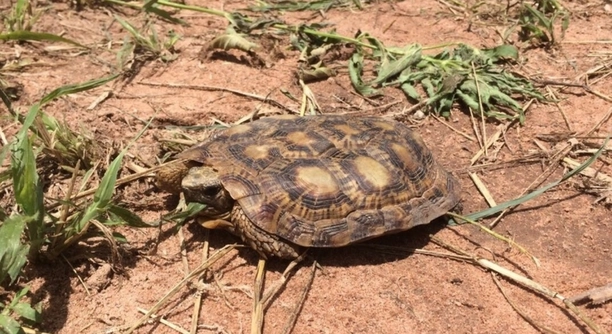
Some pancake tortoises may refuse to bury themselves despite this being a natural behavior. Understanding the underlying reasons for this can help improve their well-being and behavior, leading to a happier and healthier tortoise.
Pancake tortoises may resist burying themselves due to various factors, such as environmental stress, incorrect habitat conditions, or lack of proper burrowing substrates. Additionally, their behavior may be influenced by their age, diet, or overall health.
Understanding the causes behind this reluctance can help create a better environment and care routine for your pancake tortoise.
Stress from Handling or Movement
Stress can have a significant impact on the behavior of pancake tortoises. When they feel threatened or overwhelmed, they may refuse to engage in natural behaviors like burying. Handling them too often or exposing them to loud noises can make them feel unsafe. In the wild, pancake tortoises spend a lot of time in their hiding spots, so a sudden change in their environment can lead to stress.
Tortoises rely on their hiding spaces to feel secure. If they are disturbed frequently, they may resist burying themselves to avoid exposure. Creating a peaceful environment can encourage them to act naturally.
Proper handling and minimizing disturbances are essential for their comfort. Giving them time to acclimate to new surroundings can help reduce stress and allow them to return to their natural behavior.
Inadequate Substrate
The substrate in your tortoise’s habitat plays a crucial role in their ability to bury. If the material is too hard, compacted, or not deep enough, they will struggle to dig or burrow properly. Substrates like sand, soil, or coconut fiber provide the right texture for digging.
Without the right depth or consistency, the tortoise may choose not to bury itself, which can lead to discomfort or even behavioral issues. It is important to provide an appropriate substrate that mimics their natural environment to encourage burrowing and hiding behaviors.
A deep and loose substrate offers a suitable environment for the tortoise to dig and feel secure. Regularly adjusting the substrate for comfort can help promote a more natural lifestyle, reducing stress and encouraging better behavior in the tortoise.
Incorrect Temperature or Humidity
Temperature and humidity levels directly affect the behavior of pancake tortoises. If their enclosure is too warm or too cool, or if humidity is either too high or low, they may feel uncomfortable and avoid behaviors like burying. It’s crucial to maintain the right balance.
In the wild, pancake tortoises live in areas with specific temperature and humidity conditions. Replicating this in captivity is key to their well-being. A temperature gradient within their habitat allows them to choose the area they prefer, and humidity should remain moderate to mimic natural conditions.
If the environment is not suitable, they may avoid burrowing altogether. Regular monitoring of these factors ensures that your tortoise stays comfortable and engaged in natural behaviors. Small adjustments can make a big difference in their health and comfort.
Diet and Health
A poorly balanced diet can affect your pancake tortoise’s ability or desire to bury itself. If they are not receiving enough nutrients, they may lack the energy to perform natural behaviors. A proper diet is essential for overall health.
A diet that lacks variety or essential nutrients like calcium and fiber can lead to weakened bones, digestive problems, and a lack of interest in burrowing. Providing a mix of leafy greens, grasses, and occasional fruits will help support their health. Avoid overfeeding them with inappropriate foods, as this can lead to weight issues.
Consulting a vet regularly can help you monitor their diet and ensure they remain in good health. Making small adjustments to their diet can lead to improvements in their behavior and overall activity.
Age and Maturity
Age can affect a pancake tortoise’s burrowing behavior. Younger tortoises may not yet develop the instinct to bury themselves, while older tortoises may become less active. This change is natural as they mature.
With age, tortoises tend to become less energetic and may not show as much interest in burrowing. If you notice this behavior, it’s often a sign that they’ve outgrown their need to bury themselves as often. This can vary depending on the individual tortoise’s health and environment.
Behavior Changes Due to Illness
Illness or injury can cause a pancake tortoise to avoid burrowing. When they feel unwell, they may become less active and seek less hiding. This can be a clear sign they need medical attention.
A tortoise that isn’t feeling well may also show other signs, such as lethargy or loss of appetite. If you suspect illness, consult a veterinarian immediately. Early intervention can prevent further complications. Be mindful of any changes in their behavior that go beyond just not burying themselves.
FAQ
Why is my pancake tortoise not burying itself?
There could be several reasons why your pancake tortoise is not burying itself. It could be due to stress from handling or environmental changes, an unsuitable substrate, incorrect temperature or humidity, health issues, or simply age. It’s essential to monitor the conditions in its enclosure and provide the right care to encourage natural behaviors.
How can I reduce stress in my pancake tortoise?
To reduce stress, avoid handling your pancake tortoise frequently and minimize exposure to loud noises or sudden movements. Give it time to adjust to its environment and ensure it has a quiet, secure space. A stable and calm habitat can help encourage natural behaviors like burying.
What kind of substrate should I use for my pancake tortoise?
Use a soft, loose substrate that mimics their natural habitat, such as a mix of soil, sand, and coconut fiber. The substrate should be deep enough for the tortoise to dig and burrow comfortably. It should also be kept clean and dry to avoid potential health issues.
How do I maintain the right temperature and humidity for my pancake tortoise?
Keep the temperature in the enclosure between 80–85°F during the day and drop it to around 70°F at night. The humidity should remain moderate, around 50-60%. Using a thermometer and hygrometer will help you monitor these conditions and make adjustments as needed.
Can diet affect my pancake tortoise’s behavior?
Yes, a poor diet can impact your pancake tortoise’s behavior and overall health. Ensure your tortoise gets a balanced diet rich in fiber, calcium, and essential nutrients. Leafy greens, grasses, and occasional fruits are ideal. A proper diet supports their energy levels and encourages natural behaviors like burrowing.
How often should I feed my pancake tortoise?
Feed your pancake tortoise every other day or as needed, depending on its age and size. Adult tortoises can be fed less frequently, while younger tortoises may require more food to support their growth. Always provide fresh food and clean water in their habitat.
How do I know if my pancake tortoise is sick?
Signs of illness in a pancake tortoise include lethargy, lack of appetite, irregular shell appearance, or unusual behavior like not burying itself. If you notice these signs, it’s important to take your tortoise to a veterinarian for an evaluation and treatment.
What temperature is too hot for my pancake tortoise?
Temperatures above 90°F can cause stress and dehydration for pancake tortoises. Ensure that there is a cooler area in the enclosure where they can retreat if they become too warm. Always monitor the temperature with a thermometer to avoid overheating.
Can my pancake tortoise get too old to bury itself?
Yes, as pancake tortoises age, they may become less active and stop burying themselves as frequently. Older tortoises often spend less time digging and may prefer to stay in one spot. This is a natural change, but it’s important to continue providing proper care.
Should I provide a hide or shelter for my pancake tortoise?
Yes, a hide or shelter provides a safe, secure place for your pancake tortoise to rest and feel protected. It is essential for their well-being and encourages natural behaviors like burrowing. Ensure the hide is easy to access and fits their size comfortably.
How do I check the health of my pancake tortoise?
Regularly inspect your tortoise for any signs of illness, such as changes in eating habits, lethargy, or abnormal shell appearance. A healthy tortoise should have a strong appetite, active behavior, and a smooth, firm shell. Regular veterinary check-ups are also essential.
Can I use heating lamps for my pancake tortoise?
Yes, heating lamps can help maintain the right temperature in the enclosure. Use a basking light to create a warm area for your tortoise to regulate its body temperature. Be careful not to make the area too hot, and provide a cooler zone for balance.
How can I improve my pancake tortoise’s diet?
Incorporate a variety of leafy greens like collard greens, dandelion greens, and kale. You can also offer grasses, clover, and occasional fruits. Avoid high-protein foods and ensure the diet contains adequate calcium to support healthy shell and bone development.
How do I clean my pancake tortoise’s enclosure?
Clean the enclosure regularly by removing waste and old food. Replace the substrate as needed, especially if it becomes soiled or compacted. Spot clean daily and perform a more thorough cleaning every few weeks to ensure a hygienic environment.
Can my pancake tortoise live with other reptiles?
Pancake tortoises are best kept alone or with other pancake tortoises. Mixing different species can lead to territorial behavior or stress. If you do keep more than one tortoise, ensure there is enough space and hiding places for each to avoid conflicts.
What if my pancake tortoise is burrowing too much?
Excessive burrowing may indicate an issue with the temperature, humidity, or stress levels in the habitat. Check the environmental conditions and make necessary adjustments. In some cases, it could also be a sign that the tortoise is trying to find a secure spot to hide.
Is it normal for my pancake tortoise to stay out of sight for long periods?
Yes, pancake tortoises are naturally shy and may prefer staying out of sight for extended periods. They spend most of their time in hiding in the wild. As long as they are eating and behaving normally, this is typically not a concern.
Final Thoughts
It’s important to understand that a pancake tortoise’s behavior, including its tendency to bury itself, can be influenced by several factors. From environmental conditions like temperature and humidity to their age and health, many elements can play a role. Providing the right care, such as maintaining proper habitat conditions, offering a balanced diet, and minimizing stress, can support your tortoise in exhibiting natural behaviors. While it may be concerning when a tortoise refuses to bury itself, it is often a sign of something that can be easily addressed with a little observation and adjustments.
If you notice that your pancake tortoise is not burying itself, the first step is to check its habitat. Is the temperature correct? Is the humidity level where it needs to be? Make sure the substrate is suitable for digging and burrowing. These factors can directly affect the tortoise’s behavior. Additionally, ensure that the enclosure is secure and quiet, providing a stress-free environment for your tortoise. If the environment seems fine and there are still concerns, it’s essential to monitor the tortoise’s health and behavior. A lack of appetite, unusual lethargy, or other signs of illness should prompt a visit to the veterinarian.
In most cases, with proper care, your pancake tortoise will exhibit the behaviors you expect. However, as they age or when they are under stress, their burrowing habits might change. Be patient and give your tortoise time to adjust to any changes in its environment. Ultimately, a healthy and happy pancake tortoise will show signs of natural behavior, such as burying itself, eating well, and staying active. Keep a watchful eye and provide the best possible care to ensure its well-being in the long run.

Hello,
If you enjoy the content that we create, please consider saying a "Thank You!" by leaving a tip.
Every little bit helps us continue crafting quality advice that supports the health, happiness, and well-being of pets around the world, for pets of all shapes, sizes, and species.
We really appreciate the kindness and support that you show us!