
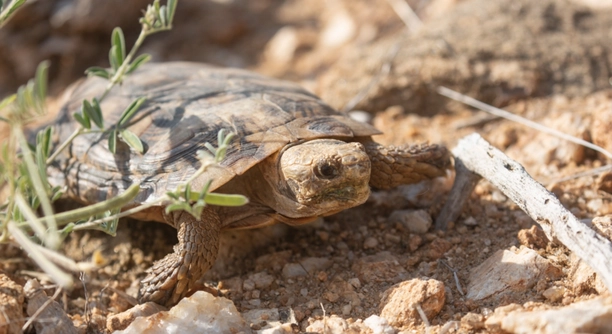
Are you noticing that your pancake tortoise is eating less than usual? It’s important to pay attention when your pet’s appetite seems off. Several factors might be contributing to their sudden loss of interest in food.
There are several reasons why your pancake tortoise may be losing its appetite. Common causes include stress, improper diet, environmental issues, illness, and changes in habitat. Identifying these factors is crucial for ensuring your tortoise stays healthy and nourished.
Identifying the root causes of appetite loss in pancake tortoises is key. Understanding these issues can help you create a better environment for your pet and get their eating habits back on track.
Stress and Anxiety
One of the main reasons your pancake tortoise might lose its appetite is stress. Tortoises are very sensitive creatures, and any change in their environment can lead to anxiety. Factors like loud noises, sudden temperature fluctuations, or even changes in their routine can cause them to feel unsettled. Stress can also result from being kept in a small or overcrowded enclosure, as they need space to move around. If your tortoise has recently moved to a new space or been handled more than usual, this could be enough to affect its eating habits.
Environmental stress is something that’s often overlooked, but it can be a major reason for appetite loss. To help reduce stress, ensure your tortoise has a quiet, calm space to live in. Keeping their environment stable and consistent will ease their anxiety.
Providing a safe, secure habitat is essential. Tortoises need a place where they feel comfortable and secure. If you notice they are still not eating after addressing the stress factors, it may be time to look at other potential issues like diet or illness.
Temperature and Lighting Problems
If your pancake tortoise is not eating, the temperature or lighting setup in its habitat could be to blame. These reptiles require a proper temperature gradient to regulate their body heat. Without this, their metabolism slows down, affecting their appetite. If their environment is too cold or too hot, they might avoid food altogether.
A basking area with a warm spot of around 95°F to 100°F is necessary. If the temperature is not correct, your tortoise won’t feel motivated to eat.
Make sure your pancake tortoise has a well-maintained heat source, and provide areas with both warm and cooler spots so they can regulate their body temperature. A thermometer will help ensure everything is in the right range. Additionally, proper lighting, such as UVB lighting, is necessary for their overall health. Without it, they may lose interest in food and their health may decline.
Illness or Infection
A loss of appetite can be a sign of illness or infection. Pancake tortoises, like other reptiles, can develop respiratory infections, parasites, or other health issues that affect their eating habits. If your tortoise is lethargic, has nasal discharge, or shows signs of swelling, it’s time to consult a vet. These conditions can be difficult to detect early, so paying attention to changes in behavior is crucial.
Infections can be caused by bacteria, fungi, or even parasites, all of which can lead to a decrease in appetite. Some symptoms, like wheezing or labored breathing, may indicate a respiratory issue. It’s important to seek veterinary help if you notice these signs. Left untreated, illness can lead to more severe health problems.
If you suspect your tortoise is ill, get it checked by a reptile specialist as soon as possible. With proper care and medication, most conditions can be treated. Early intervention will ensure your tortoise gets back to its usual healthy self.
Diet Imbalance
An imbalanced diet can significantly affect your pancake tortoise’s appetite. Tortoises are herbivores, but they need a variety of plants to meet all their nutritional needs. A diet that’s too high in protein or lacks sufficient fiber can cause digestive problems and lead to loss of appetite. It’s important to provide a well-rounded selection of greens, vegetables, and flowers.
Offering the same food every day can also reduce their interest in eating. Mixing up their meals with a variety of plant-based foods will help keep them engaged. Make sure their diet contains enough calcium, as this is crucial for their shell and bone health. Tortoises can be picky, so offering different textures and colors can also help.
Monitor your tortoise’s food intake and adjust their diet if you notice they aren’t eating as much. Avoid feeding them too many high-protein foods, as this can cause digestive distress and lead to appetite loss. A balanced, varied diet is key for maintaining their health and encouraging proper feeding.
Habitat Conditions
Poor habitat conditions can lead to a lack of appetite in your pancake tortoise. These reptiles need a proper enclosure to feel comfortable. If their space is too small, poorly lit, or not properly ventilated, it can affect their health and appetite. Make sure the habitat mimics their natural environment.
Humidity and ventilation are equally important. Tortoises require a balanced humidity level to prevent dehydration and stress. If the air is too dry, your tortoise may refuse to eat. Providing a proper filtration system and misting their enclosure helps maintain these levels. Make sure your tortoise has access to a clean and suitable environment to thrive.
Overfeeding
Overfeeding your pancake tortoise can also be a problem. If you offer too much food at once, it can overwhelm them and reduce their desire to eat. A regular feeding schedule with moderate portions is ideal. Overfeeding may lead to unhealthy weight gain or digestive issues.
Try offering smaller portions and observe if your tortoise starts eating more consistently. The goal is to encourage a healthy feeding routine without stressing the digestive system. It’s essential to keep food fresh and remove any uneaten portions to prevent bacteria growth.
Boredom
Boredom is often overlooked but can affect a tortoise’s appetite. Pancake tortoises are curious creatures and need stimulation in their environment. If they’re not getting enough enrichment, they may lose interest in food. Provide hiding spots, climbing structures, or objects to explore.
A lack of mental stimulation can make them lethargic, reducing their desire to eat. Adding variety to their surroundings, like moving around decorations or introducing new safe plants, can help keep them engaged. Regular interaction and a change of scenery can make a big difference.
FAQ
Why is my pancake tortoise not eating?
There are several possible reasons for your pancake tortoise not eating, including stress, temperature issues, illness, or an improper diet. If you’ve recently moved their enclosure or introduced any changes, they might be feeling anxious. Check that the temperature and lighting are correct and ensure their habitat is comfortable. Illnesses like respiratory infections or parasites can also cause a loss of appetite, so monitor for any signs of illness. If nothing seems out of place, you might want to consider reviewing their diet for variety and balance.
What can I do to get my pancake tortoise to eat again?
Start by ensuring their environment is calm, stable, and free of stressors. Provide a proper diet, with a mix of greens, vegetables, and flowers, and make sure the temperature and lighting are ideal. If they continue to refuse food, consult with a vet to rule out any health problems. Sometimes, a simple change in food or even the location of their enclosure can spark their interest in eating again.
How often should I feed my pancake tortoise?
Pancake tortoises typically need to be fed every two to three days. However, younger tortoises may need more frequent feedings. Ensure that the portion size is appropriate for their size and age. Avoid overfeeding, as it can cause health problems like obesity or digestive issues. Be consistent with feeding times and provide a variety of plants to encourage healthy eating habits.
Can stress make my pancake tortoise lose its appetite?
Yes, stress can significantly impact your tortoise’s appetite. Changes in their environment, such as moving to a new location, loud noises, or being handled too much, can cause stress. To reduce stress, try to keep their enclosure in a quiet area, maintain a consistent routine, and avoid over-handling. If there are any other potential stressors in their environment, it’s important to address them to help your tortoise feel safe and comfortable again.
How do I know if my pancake tortoise is sick?
Signs of illness in pancake tortoises include lethargy, nasal discharge, swollen eyes, or wheezing. If they stop eating, this could also be an indicator of a health issue. If you notice any unusual symptoms, it’s essential to consult a vet, ideally one with experience treating reptiles. Early diagnosis and treatment can make a big difference in their recovery.
What temperature should I maintain for my pancake tortoise?
Pancake tortoises require a temperature gradient in their enclosure. The basking area should be between 95°F to 100°F, while the cooler end should range between 75°F to 80°F. Having this range allows them to regulate their body temperature as needed. Additionally, it’s crucial to have UVB lighting to support their calcium absorption, which helps maintain their overall health and appetite.
Can I feed my pancake tortoise fruit?
Fruit should only be given as an occasional treat, as it can be high in sugar. While they might enjoy fruit, it should not be the main part of their diet. Focus on providing leafy greens, grasses, and other vegetables to meet their nutritional needs. Too much fruit can cause digestive upset or encourage picky eating habits, so moderation is key.
How can I tell if my pancake tortoise is dehydrated?
Dehydration can cause a variety of issues in tortoises, including loss of appetite. Signs of dehydration include sunken eyes, dry skin, or a lack of energy. Make sure your tortoise has access to fresh water at all times. If they are showing signs of dehydration, offer water via a shallow dish or gently mist them with water. In more severe cases, consult a vet for treatment.
Is it normal for a pancake tortoise to stop eating during winter?
Pancake tortoises may eat less during colder months, especially if their environment is cooler. However, if the temperature in their enclosure is maintained correctly, they should continue eating. If they’re going into hibernation (brumation), their appetite will decrease, but they shouldn’t stop eating completely. Monitor their behavior closely and check that the environmental conditions remain ideal. If they aren’t eating at all, it could indicate a different issue.
What kind of foods should I avoid feeding my pancake tortoise?
Avoid feeding your pancake tortoise high-protein foods, such as meat or commercial pellets, as this can lead to health issues. Also, steer clear of iceberg lettuce, which offers very little nutritional value. It’s important to avoid foods that are toxic to tortoises, such as avocado, onions, and rhubarb. Stick to safe, plant-based foods like leafy greens, edible flowers, and grasses.
How can I help my pancake tortoise if it’s not eating because of boredom?
Boredom can be a reason for a lack of appetite in tortoises. To combat this, try adding new objects, such as logs, rocks, or climbing structures, to their habitat. Changing the layout of their enclosure or providing a variety of food can also spark their curiosity. Tortoises enjoy exploring, so keeping them mentally engaged will likely improve their appetite.
Final Thoughts
If your pancake tortoise is losing its appetite, it’s important to address the issue as soon as possible. While a change in eating habits is not always a cause for concern, it can be a sign of stress, illness, or an environmental issue. The first step is to observe their behavior closely and look for any changes that may explain why they’re not eating. Whether it’s a change in their surroundings, food, or health, identifying the cause early can help get your tortoise back to eating and thriving.
Creating a stable, comfortable environment for your tortoise is key. Make sure their enclosure has proper temperature gradients, UVB lighting, and humidity levels. These factors can significantly impact your tortoise’s appetite and overall well-being. If your tortoise is stressed due to environmental factors, such as noise or frequent handling, try to reduce those stressors. A peaceful, quiet environment can help them feel secure, which may encourage them to eat again. It’s also a good idea to offer a variety of safe, plant-based foods to ensure your tortoise is getting all the necessary nutrients.
However, if your tortoise’s appetite doesn’t improve after addressing environmental and diet issues, it’s important to consider a visit to the vet. Illnesses like respiratory infections, parasites, or other health problems can cause appetite loss. A vet with experience in treating reptiles can help diagnose any underlying issues and provide the necessary treatment. Early intervention can prevent serious complications, ensuring your tortoise remains healthy and happy. Keep monitoring your tortoise closely, and don’t hesitate to seek professional help if needed.

Hello,
If you enjoy the content that we create, please consider saying a "Thank You!" by leaving a tip.
Every little bit helps us continue crafting quality advice that supports the health, happiness, and well-being of pets around the world, for pets of all shapes, sizes, and species.
We really appreciate the kindness and support that you show us!