
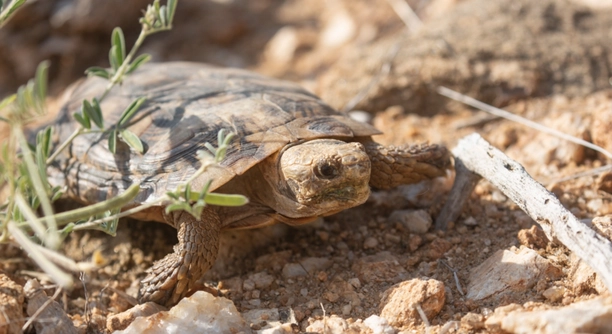
Pancake tortoises are known for their digging behavior, which can often leave owners wondering about its cause. Understanding why they dig is key to meeting their needs and ensuring their well-being.
The primary reason your pancake tortoise is constantly digging is due to its natural instinct to find shelter and regulate its environment. Digging provides security, comfort, and a means of maintaining an ideal temperature and humidity level.
Recognizing these behaviors will help you provide a better habitat for your pancake tortoise.
Natural Digging Instinct
Pancake tortoises dig because it’s part of their natural behavior. In the wild, they dig to find shelter, regulate temperature, and protect themselves. These tortoises are used to digging in their rocky, dry environments, which provide cool, hidden spaces. Digging allows them to find an area where they feel safe from predators. This instinct is deeply ingrained and can be seen in captive environments as well. While digging may seem excessive, it’s simply their way of adapting to their surroundings. Ensuring they have enough space to dig will support their well-being.
Providing a suitable environment with soft soil or a place to burrow is essential for their comfort. Without it, the tortoise may become stressed or restless.
To meet your pancake tortoise’s needs, create an enclosure that mimics its natural habitat. Consider adding rocks, hides, and soft soil for them to dig into. This will ensure they feel secure and have an outlet for their instincts. When you give them the right space, they’ll thrive in captivity.
Temperature Regulation
Digging also helps pancake tortoises regulate their body temperature. In nature, they dig to escape extreme heat or cold.
Providing a range of temperatures in their habitat is important. Create shaded areas and a warm zone where your tortoise can choose its ideal temperature. With temperature control, they can dig to maintain comfort. If their environment is too consistent, they may feel stressed or unwell. It’s crucial to simulate these temperature differences. Adding heat lamps or heat pads can assist in this process. By ensuring temperature variations, you create an environment where they feel more at home and can dig to their heart’s content.
Stress Relief
Digging serves as a form of stress relief for pancake tortoises. They use this behavior to cope with changes in their environment or to relieve anxiety.
If your tortoise is not digging as much, it could be a sign that it’s stressed or uncomfortable. Common stressors include improper lighting, overcrowding, or inadequate shelter. These factors can lead to anxiety, which triggers excessive digging as a coping mechanism. It’s essential to create a calm and stable environment to reduce stress. Offering hiding spaces and consistent care will make your tortoise feel secure, decreasing its need to dig for comfort.
Addressing stress involves identifying the source of discomfort and eliminating it. Providing hiding spots, natural lighting, and a larger enclosure can help your tortoise feel more at ease. If stress persists, consider adjusting the habitat or consulting a vet. This approach ensures your tortoise remains healthy and less likely to resort to excessive digging.
Exploration
Pancake tortoises are naturally curious creatures. Digging allows them to explore and engage with their environment. They’re always on the lookout for new spaces to investigate.
These tortoises are known for their desire to explore hidden areas. In captivity, they may dig to uncover something of interest, such as food or a new hide. Providing a varied environment with rocks, logs, and different textures encourages exploration. When they have access to these opportunities, they’re more likely to stay engaged and curious, reducing boredom. Without these outlets, digging may increase as a way for them to satisfy their need for stimulation.
The key to supporting this behavior is to offer opportunities for your tortoise to explore. Creating an enriched environment will encourage natural curiosity while keeping them healthy.
Reproductive Behavior
During breeding season, pancake tortoises may dig as part of their natural reproductive behavior. Males will dig to find suitable nesting sites, while females may dig to lay their eggs.
If you have a female tortoise, it’s important to provide a proper nesting area. A soft substrate like soil will encourage this behavior. It’s vital to monitor for signs of egg-laying to ensure that she has the correct environment for this process.
Creating a specific nesting area with proper depth and texture will help your tortoise during the egg-laying process. If she doesn’t have a proper space to dig, it could lead to stress or complications during egg deposition.
Shelter and Security
Pancake tortoises dig to create safe spaces where they can hide from predators. This behavior is driven by their instinct to find shelter.
Providing an area where they can burrow into will make them feel secure and comfortable. This also helps reduce anxiety, as they feel safe in their environment.
FAQ
Why does my pancake tortoise keep digging in the same spot?
Pancake tortoises may dig in the same area repeatedly if they find it to be a comfortable or secure location. This spot could be cooler, warmer, or offer a sense of safety. They might also be marking territory or looking for food or moisture. If your tortoise is constantly digging in one place, it could indicate that the area provides the right conditions, or it could be a sign that they are trying to escape stress or boredom. If you notice that the behavior seems excessive, it’s essential to assess the habitat for any changes or stressors.
How deep should I make the substrate for my pancake tortoise to dig?
Pancake tortoises don’t require a deep substrate, but providing about 4 to 6 inches of soil or sand will allow them to dig effectively. They prefer a soft but stable substrate that allows them to bury themselves partially if needed. Too shallow of a substrate may prevent the tortoise from digging comfortably, while too deep may make it difficult for them to find a suitable shelter or nest. Make sure to maintain the right balance and provide an area that is not too compact.
Can digging harm my pancake tortoise?
Digging itself is not harmful to your pancake tortoise as it is a natural and instinctive behavior. However, if the digging is excessive or if the tortoise is unable to find shelter or food due to lack of space, it can lead to stress. Additionally, if the environment is not properly maintained (e.g., unsafe substrate or inadequate temperature), digging could be a sign that something is wrong. Ensure that the tortoise’s enclosure provides enough space and resources to meet its needs.
How can I stop my pancake tortoise from digging?
Completely stopping your pancake tortoise from digging is not realistic, as it’s a natural and essential behavior. Instead, focus on managing the digging by ensuring the environment is comfortable and stress-free. This includes providing adequate space, hiding spots, temperature control, and a suitable substrate. If digging is becoming a problem, ensure there are enough stimuli, such as rocks, logs, or food sources, to reduce excessive digging. Additionally, address any stressors or changes in the environment that might be contributing to the behavior.
How often should I change the substrate for my pancake tortoise?
Changing the substrate for your pancake tortoise depends on the type of material used and how much it gets soiled. Generally, the substrate should be replaced or cleaned every 2 to 3 months. If you notice odors, mold, or accumulated waste, it’s essential to replace it sooner. Regular spot cleaning will also help maintain a clean environment. Substrates like sand, soil, or coconut coir should be kept dry and free from contaminants to avoid health issues.
Do pancake tortoises need a mate to stop digging?
While it’s natural for pancake tortoises to dig during mating season, they do not necessarily need a mate to stop digging. However, if the digging is related to reproductive instincts, it could calm down when the tortoise is alone or during off-season periods. If you do not intend to breed your tortoise, ensuring a comfortable environment and addressing any potential stress factors will help reduce the frequency of digging.
Can my pancake tortoise dig its way out of its enclosure?
Pancake tortoises are unlikely to dig their way out of a properly secured enclosure, as they typically dig for shelter and comfort rather than escape. However, if the enclosure is too small or lacks proper barriers, there’s a chance they could try to escape. To prevent this, ensure the enclosure has high enough walls, is escape-proof, and has a secure base to prevent tunneling. If your tortoise is digging near the edges of the enclosure, it might be a sign that it needs more space or resources.
What temperature should my pancake tortoise’s enclosure be to reduce excessive digging?
Maintaining a proper temperature gradient is crucial for the well-being of your pancake tortoise and can help reduce excessive digging. The warm side of the enclosure should be around 85-90°F (29-32°C), while the cooler side should be around 75°F (24°C). Having a gradient allows your tortoise to regulate its body temperature. If the environment is too hot or too cold, the tortoise may dig excessively to find a comfortable space. Providing a heat lamp or ceramic heater can help maintain these temperatures.
Why is my pancake tortoise digging and not eating?
If your pancake tortoise is digging excessively and not eating, it may be experiencing stress, discomfort, or health issues. Stressors such as poor enclosure conditions, improper temperature, or inadequate food options can lead to a lack of appetite. It’s essential to check the environment for any issues and ensure that the tortoise has access to proper food and hydration. If the behavior persists, it’s best to consult a veterinarian to rule out health problems.
How do I create a proper hiding space for my pancake tortoise?
Creating a proper hiding space for your pancake tortoise involves providing dark, cool, and quiet areas where it can retreat when needed. Use rocks, logs, or artificial caves to create these hiding spots. The hide should be big enough for the tortoise to enter comfortably but not too large to prevent it from feeling secure. Placing the hide in a quiet area of the enclosure will help the tortoise feel safe, reducing stress and the need to dig excessively for shelter.
Final Thoughts
Pancake tortoises, like many reptiles, have natural instincts that drive them to dig. Digging is an essential part of their behavior, whether it’s for finding food, creating shelter, or preparing a nesting area. It is a common behavior that should not be seen as a problem, as it is deeply rooted in their natural instincts. Understanding why your tortoise digs can help you create a better environment for it. By providing the right conditions, such as an appropriate substrate and a secure habitat, you can ensure your tortoise feels comfortable and safe.
However, excessive digging can sometimes signal an underlying issue. If the digging is persistent or seems to be driven by stress, it’s essential to check for any changes in the tortoise’s environment. Ensure the enclosure is the right size, with a proper temperature gradient and suitable hiding spaces. Stress can also stem from a lack of enrichment, so providing rocks, logs, and other stimulating elements can reduce the frequency of digging. A balanced environment is key to ensuring your tortoise’s health and well-being.
Ultimately, while digging is a natural and necessary behavior, it’s important to observe your pancake tortoise closely. By creating an enriched, safe environment and addressing any potential stress factors, you can minimize any issues related to excessive digging. With the right care, your pancake tortoise will thrive and continue to display its natural behaviors in a healthy, positive manner.

Hello,
If you enjoy the content that we create, please consider saying a "Thank You!" by leaving a tip.
Every little bit helps us continue crafting quality advice that supports the health, happiness, and well-being of pets around the world, for pets of all shapes, sizes, and species.
We really appreciate the kindness and support that you show us!