
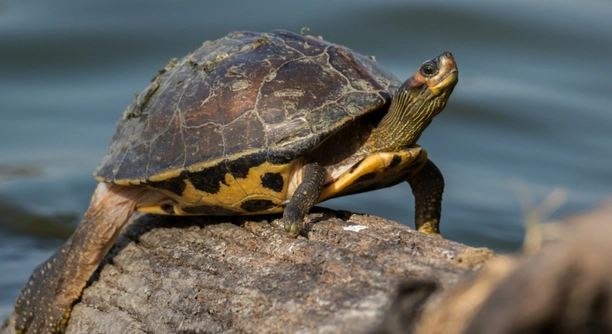
Is your Indian roofed tortoise keeping its eyes closed, making you worried about its health? This behavior can be a sign of underlying issues that need attention. Understanding the possible causes can help you take the right steps to address them.
The most common reasons why an Indian roofed tortoise won’t open its eyes include dehydration, respiratory infections, vitamin A deficiency, poor water quality, or eye infections. Identifying the cause early is essential to ensuring your tortoise remains healthy and comfortable.
From environmental factors to dietary imbalances, several issues can contribute to this problem. Learning how to spot the signs and take corrective action will help improve your tortoise’s well-being.
Dehydration Can Lead to Eye Issues
Dehydration is a common reason why an Indian roofed tortoise may keep its eyes closed. Without enough moisture, their eyes can become dry and irritated, making it difficult to open them. This issue often arises from a lack of clean water or improper humidity levels. If your tortoise’s environment is too dry, it can struggle to stay hydrated. Ensure fresh water is always available and that humidity levels remain stable. Soaking your tortoise in lukewarm water for about 15 minutes a few times a week can also help prevent dehydration-related problems.
If dehydration is the issue, you may also notice dry skin, sunken eyes, or reduced activity. Providing proper hydration and maintaining an ideal environment can help resolve the problem.
Maintaining the right humidity levels is essential for your tortoise’s health. A humidity level between 50% and 70% will help prevent dryness and keep your tortoise comfortable.
Vitamin A Deficiency Affects Eye Health
Vitamin A plays a key role in keeping a tortoise’s eyes healthy. A deficiency can cause swelling, discharge, and difficulty opening the eyes. If left untreated, it can lead to more serious health problems.
A poor diet lacking vitamin A-rich foods is the main reason for this deficiency. Leafy greens, carrots, and squash are excellent sources of vitamin A and should be included in your tortoise’s diet. Without enough vitamin A, the eyes can develop a condition called hypovitaminosis A, leading to thickened eyelids and increased mucus production. You may also notice lethargy, difficulty eating, or soft shell issues.
To prevent or correct a deficiency, offer a variety of fresh vegetables and ensure your tortoise is eating a balanced diet. If symptoms persist, consult a veterinarian for additional support, such as vitamin supplements or specialized treatment. Proper nutrition is key to keeping your tortoise’s eyes and overall health in good condition.
Poor Water Quality Can Cause Eye Irritation
Dirty water can lead to bacterial infections and eye irritation, making it difficult for your tortoise to open its eyes. Regular water changes and proper filtration are necessary to maintain a clean and safe environment. Stagnant or contaminated water can quickly lead to health problems.
If the water is not cleaned regularly, bacteria and debris can accumulate, leading to infections. Signs of poor water quality affecting the eyes include redness, swelling, and excessive blinking. A shallow dish with fresh water should always be available, and deeper soaking areas should be cleaned frequently. Using a gentle water conditioner can help neutralize harmful chemicals.
Maintaining clean water is crucial for your tortoise’s overall well-being. A full water change should be done every few days, with partial changes in between. A proper filtration system can also help keep the water safe for your tortoise’s eyes and skin.
Respiratory Infections Can Lead to Swollen Eyes
Respiratory infections often cause swelling around the eyes, making them appear closed. Other signs include wheezing, nasal discharge, and reduced activity. Cold temperatures, excessive humidity, and poor ventilation can contribute to these infections, making it important to provide a stable and suitable environment.
Tortoises with respiratory infections may struggle to breathe, exhibit open-mouth breathing, or produce mucus. If left untreated, the infection can spread and worsen. Keeping the habitat at the right temperature, avoiding damp conditions, and ensuring proper air circulation can help prevent these infections. A warm basking area and a cooler zone should be provided to maintain a balanced temperature.
Veterinary treatment may be necessary if symptoms persist. Antibiotics may be required to clear up the infection. Increasing warmth, improving ventilation, and keeping the enclosure clean can help support recovery and prevent further respiratory issues. Regular checkups can help catch early signs of illness before they become severe.
Eye Infections Can Prevent Proper Vision
Bacterial or fungal infections can cause swelling, discharge, and difficulty opening the eyes. Contaminated water, unclean habitats, or injuries can lead to infections. Signs include excessive rubbing, redness, and cloudiness. Prompt treatment is necessary to prevent the infection from worsening.
If an eye infection is suspected, gently clean the area with saline solution and monitor for improvement. Veterinary care may be needed for antibiotic or antifungal treatments. Keeping the enclosure clean and ensuring proper humidity levels can help prevent infections from developing in the future.
Injuries Can Cause Swelling Around the Eyes
Scratches, bumps, or foreign objects in the eye can make it difficult for a tortoise to open its eyes. Rough surfaces, aggressive tank mates, or debris in the enclosure can lead to eye injuries. Signs of injury include swelling, tearing, and sensitivity to light.
Improper Lighting Can Affect Eye Health
A lack of UVB lighting can weaken a tortoise’s immune system, making it more prone to eye issues. Without adequate exposure, vitamin absorption is reduced, leading to deficiencies and potential swelling. Ensuring proper lighting for 10–12 hours a day can help maintain eye and overall health.
FAQ
Why won’t my Indian roofed tortoise open its eyes in the morning?
Tortoises may take time to adjust after waking up, especially if their enclosure is too cold or too dry. A lack of humidity can cause eye dryness, making it harder for them to open their eyes. Ensure the basking area is warm enough and the humidity is at an appropriate level.
Can dehydration cause my tortoise to keep its eyes closed?
Yes, dehydration can lead to sunken eyes and difficulty opening them. Without enough water, the eyes may become dry and irritated. Soaking your tortoise in lukewarm water for about 20 minutes a few times a week can help keep it hydrated and prevent eye problems.
What should I do if my tortoise’s eyes are swollen shut?
Swollen eyes could indicate an infection, injury, or poor environmental conditions. Check for signs of discharge, redness, or unusual behavior. Clean the eyes with saline solution and improve enclosure hygiene. If swelling persists, a vet visit may be necessary for antibiotics or specialized treatment.
Can improper diet affect my tortoise’s eyes?
Yes, a diet lacking in vitamin A can lead to swollen or closed eyes. Leafy greens, carrots, and squash are good sources of vitamin A. If your tortoise is not eating a balanced diet, supplementing with vitamin-rich foods or reptile-safe vitamins may help.
Is poor substrate a reason my tortoise won’t open its eyes?
Dusty or overly dry substrates can irritate the eyes, making it difficult for your tortoise to open them. Fine sand, wood shavings, or dry soil can cause eye irritation. A softer, moisture-retaining substrate like coconut fiber or damp moss can help prevent these issues.
How can I tell if my tortoise has an eye infection?
Signs of an eye infection include swelling, redness, excessive blinking, or a thick discharge. If left untreated, the infection can worsen, leading to further health complications. Keeping the habitat clean and providing fresh water can help prevent infections from developing.
What role does lighting play in my tortoise’s eye health?
A lack of proper UVB lighting can weaken the immune system and affect vitamin absorption, leading to eye problems. Without UVB exposure, tortoises may develop deficiencies that cause swelling or infections. Ensure they receive 10–12 hours of UVB light daily to support their overall health.
Should I try home remedies before visiting a vet?
Some mild cases can improve with better hydration, clean water, and a properly maintained enclosure. However, if symptoms persist, worsen, or include discharge, lethargy, or loss of appetite, professional veterinary care is recommended. Delaying treatment could lead to more serious complications.
How often should I clean my tortoise’s eyes?
Tortoises do not need routine eye cleaning unless there is visible dirt or irritation. If necessary, use a reptile-safe saline solution or clean, lukewarm water to gently wipe away debris. Avoid harsh chemicals or excessive handling, as this could stress your tortoise.
When should I be concerned about my tortoise’s eye condition?
If your tortoise refuses to open its eyes for more than a day, shows signs of infection, swelling, or lethargy, it is a cause for concern. A vet can determine the underlying issue and provide appropriate treatment to ensure your tortoise recovers properly.
Final Thoughts
Caring for an Indian roofed tortoise requires close attention to its environment, diet, and overall health. When a tortoise refuses to open its eyes, it often signals an issue that needs to be addressed. Common causes include dehydration, poor lighting, vitamin deficiencies, and infections. Making simple adjustments, such as providing proper UVB exposure, maintaining humidity levels, and offering a balanced diet, can significantly improve your tortoise’s well-being. Ignoring the problem for too long may lead to further complications, making it essential to act quickly when symptoms appear.
Prevention is always the best approach when caring for a tortoise. Keeping the habitat clean, using a safe substrate, and ensuring proper hydration can help avoid eye-related issues. Regularly checking your tortoise’s behavior and appearance allows you to spot early signs of distress. If minor issues arise, home remedies like gentle eye cleaning and warm soaks can be helpful. However, persistent problems require professional veterinary care to prevent long-term damage. A proactive approach to your tortoise’s health will not only keep it comfortable but also ensure it thrives for years to come.
Every tortoise is different, so understanding its unique needs is key to providing the best care. If your tortoise struggles with eye problems, identifying the cause and making necessary adjustments can lead to a quick recovery. Proper lighting, hydration, and a nutrient-rich diet are essential for maintaining good eye health. When in doubt, seeking expert advice can make a significant difference. With the right care, your tortoise can remain healthy, active, and comfortable in its environment.

Hello,
If you enjoy the content that we create, please consider saying a "Thank You!" by leaving a tip.
Every little bit helps us continue crafting quality advice that supports the health, happiness, and well-being of pets around the world, for pets of all shapes, sizes, and species.
We really appreciate the kindness and support that you show us!