
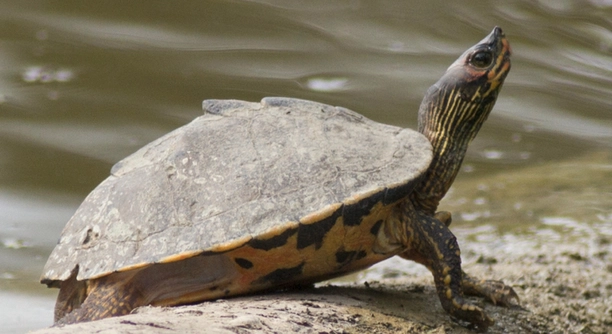
Indian Roofed Tortoises are fascinating creatures, but sometimes, they can seem to stay in one spot for longer than expected. If you’ve noticed this behavior, there are several factors to consider that could be influencing your tortoise’s movement.
The main reason your Indian Roofed Tortoise stays in one spot is often due to environmental factors, such as temperature, humidity, or inadequate space. Stress, health issues, or improper diet can also contribute to lethargic behavior, causing them to remain stationary.
Understanding the underlying causes can help you address these concerns and improve your tortoise’s well-being. This will ensure your pet stays active and healthy in the long run.
Temperature and Humidity
Temperature plays a vital role in the behavior of your Indian Roofed Tortoise. These reptiles are cold-blooded, which means they rely on external heat sources to regulate their body temperature. If the environment is too cold, your tortoise may become lethargic and spend more time in one spot to conserve energy. Similarly, if the temperature is too hot, they might retreat to shaded areas and stay still.
The humidity level in the enclosure is also crucial. Indian Roofed Tortoises thrive in a humid environment that mimics their natural habitat. Without the right humidity, they may become dehydrated and sluggish. Inconsistent temperatures and humidity can also stress your tortoise, causing it to remain stationary for long periods.
Make sure to maintain a balanced temperature between 80-90°F (27-32°C) during the day, with a nighttime drop to 70-75°F (21-24°C). Providing a humid area with a misting system or water dish will help keep your tortoise comfortable and active.
Health and Stress
Health issues can also cause your tortoise to stay in one place. If your pet is sick or in pain, it will often remain inactive as a way to conserve energy. Tortoises are known for hiding signs of illness, so it’s essential to watch for subtle changes in their behavior, such as a lack of appetite or trouble moving.
Stress from environmental changes or handling can also lead to a lack of movement. Ensure your tortoise’s enclosure is quiet, secure, and free from loud noises or frequent disturbances. A stressful environment will make it harder for your tortoise to feel comfortable enough to move around.
A visit to the vet is recommended if you suspect your tortoise might be unwell. Regular check-ups can help catch potential issues early, ensuring your pet remains healthy and active.
Space and Enclosure Size
The size of your tortoise’s enclosure greatly affects its activity level. A small, cramped space limits their ability to explore and move around. If your Indian Roofed Tortoise doesn’t have enough room to roam, it may choose to remain in one spot.
Providing ample space for your tortoise to roam and dig will encourage movement and healthy activity. A large enclosure with varied terrain, like rocks or logs, helps stimulate natural behaviors. Tortoises enjoy having the option to move between warm and cool areas, so the enclosure should have a range of temperatures.
A proper enclosure size allows for greater comfort and activity. An ideal enclosure should be at least 4×8 feet for an adult Indian Roofed Tortoise. The more space your tortoise has, the more likely it will explore and exercise, avoiding the tendency to stay in one spot for too long.
Diet and Feeding Habits
Diet plays a significant role in your tortoise’s activity. An improper diet can lead to lethargy and lack of movement. If your tortoise isn’t receiving the right nutrients, it may stay in one spot due to a lack of energy.
Indian Roofed Tortoises need a varied diet rich in fiber, including leafy greens, vegetables, and some fruits. Avoid feeding them foods that are too high in protein or fat, as this can lead to health issues and inactivity. In addition to fresh food, providing access to calcium is essential for their shell and bone health.
Feeding your tortoise on a regular schedule is important. Ensure that fresh food is available daily, and monitor their intake to make sure they are getting the necessary nutrients. A balanced diet will help keep your tortoise active and healthy, encouraging it to move around more instead of staying still.
Lighting and UVB Exposure
Proper lighting is essential for your tortoise’s health and activity. Without adequate UVB light, they can develop serious health problems, such as shell deformities and weakened bones. This lack of proper lighting often causes them to stay inactive in one spot.
Indian Roofed Tortoises need exposure to UVB light for around 10-12 hours a day. This helps them absorb calcium and promotes overall health. Make sure the light source is placed close enough to your tortoise, but not too close to cause overheating. Also, replace UVB bulbs regularly to ensure they remain effective.
Maintaining the right lighting will encourage your tortoise to be more active, helping it move around the enclosure more and avoid staying in one spot.
Overhandling
Overhandling your tortoise can cause it to become stressed. Constant handling disrupts their routine and may leave them feeling anxious, leading them to stay still to avoid further disturbance. It’s essential to respect their need for space and quiet time.
When you handle your tortoise, make sure to keep it brief and calm. Tortoises prefer to explore and interact with their environment on their own terms. Over-handling can result in stress and lack of movement, as they may try to retreat to a spot where they feel safe and undisturbed.
Age and Activity Level
As your tortoise gets older, its activity level may naturally decrease. Older tortoises tend to spend more time resting or staying in one spot, which is completely normal. They may not move around as much as they did when they were younger.
Age-related changes can affect their energy levels, but this shouldn’t be mistaken for a health problem unless other signs, like weight loss or difficulty moving, are present. Providing a comfortable and secure environment for an older tortoise helps to ensure it remains happy, even if it doesn’t move as much.
FAQ
Why is my Indian Roofed Tortoise staying in one spot?
Your Indian Roofed Tortoise may be staying in one spot due to environmental factors like temperature, humidity, or inadequate space. If the temperature is too low or high, it may choose to remain still to adjust its body temperature. Poor diet, health issues, or stress can also contribute to inactivity.
How do I know if my tortoise is stressed?
Signs of stress in a tortoise include lack of movement, hiding more often, loss of appetite, or pacing back and forth. Stress may also show in aggressive behavior or excessive yawning. It’s essential to ensure their environment is calm, secure, and free from loud noises or disturbances.
Can poor lighting affect my tortoise’s activity?
Yes, improper lighting can lead to inactivity. Without proper UVB exposure, your tortoise may suffer from weak bones and shells, causing them to remain in one spot. It’s important to provide a UVB light source for 10-12 hours each day, helping your tortoise stay active and healthy.
What temperature should I keep my tortoise’s enclosure?
Indian Roofed Tortoises need a temperature range between 80-90°F (27-32°C) during the day. At night, temperatures should drop to around 70-75°F (21-24°C). Too cold or too hot conditions can cause your tortoise to stay in one spot to regulate its body temperature.
Is it normal for my tortoise to stay still during the day?
It’s normal for tortoises to rest for long periods, especially in the heat of the day. However, if your tortoise is inactive for days on end or shows signs of ill health, it could indicate a problem. Monitor their environment and diet to ensure they are comfortable and healthy.
How much space should I provide for my tortoise?
An adult Indian Roofed Tortoise needs an enclosure of at least 4×8 feet. Providing plenty of space allows them to move around, dig, and find different temperature zones. A small or cramped enclosure can lead to inactivity and stress, causing them to stay in one spot.
Should I be concerned if my tortoise isn’t eating?
If your tortoise isn’t eating, it could be due to stress, an improper diet, or illness. Ensure their environment is suitable and their food is fresh and varied. If the lack of appetite persists for more than a few days, a visit to the vet is necessary.
Can I feed my tortoise fruits and vegetables?
Yes, fruits and vegetables are an essential part of your tortoise’s diet, but they should be given in moderation. Focus on leafy greens like collard greens, dandelion leaves, and spinach. Fruits like berries or melon can be offered occasionally as a treat, but too much can upset their digestive system.
How can I improve my tortoise’s diet?
Providing a varied diet with the right balance of fiber, calcium, and vitamins is crucial. Offer a range of leafy greens, vegetables, and small amounts of fruit. Avoid high-protein foods or those with too much fat, as they can lead to health issues and lethargy.
Why does my tortoise stay in the same spot despite having enough space?
If your tortoise has enough space but still remains in one spot, it may be due to environmental stressors like poor lighting, temperature, or humidity. Make sure the environment is suited to their needs, and check for signs of illness or stress.
How can I tell if my tortoise is sick?
Signs of illness in your tortoise may include a loss of appetite, shell discoloration, abnormal droppings, swelling, or difficulty moving. If you notice any of these symptoms, it’s important to take your tortoise to a vet for an examination and proper diagnosis.
What type of lighting is best for my tortoise?
UVB lighting is essential for your tortoise’s health. It helps with calcium absorption and prevents shell deformities. A combination of UVB bulbs and a heat source should be used in the enclosure to provide proper day-night cycles. Make sure the light is positioned correctly, and replace bulbs regularly.
How often should I handle my tortoise?
Handling your tortoise should be done occasionally, as overhandling can stress them out. Limit handling to a few short sessions, and make sure they feel secure. Allow your tortoise to explore its environment at its own pace. Respecting their need for space will keep them more comfortable and active.
Can I put my tortoise outside for exercise?
Yes, you can let your tortoise roam outside if the weather is appropriate. Make sure the area is safe, free from predators, and has a suitable temperature range. Outdoor exercise can help your tortoise stay active, but always supervise them to ensure they don’t wander off or get into dangerous situations.
How long should my tortoise’s basking time be?
Indian Roofed Tortoises require 2-4 hours of basking time each day to help regulate their body temperature. Make sure they have access to a basking area with a temperature of 95-100°F (35-38°C). Too much or too little basking time can affect their health and energy levels.
Final Thoughts
When your Indian Roofed Tortoise stays in one spot, it can be due to several factors that may affect their well-being. Temperature, humidity, and lighting are some of the most common environmental elements that influence their behavior. A cold or too hot environment can make your tortoise lethargic, as they depend on external heat to regulate their body temperature. Similarly, insufficient lighting, especially UVB light, can lead to health issues like weak bones, causing them to become inactive. By adjusting these factors in your tortoise’s habitat, you can help them stay more active and feel more comfortable.
Health and diet are also key aspects that need to be monitored. An unbalanced diet or underlying health problems can result in your tortoise staying in one place more than usual. Make sure your tortoise gets a diet rich in fiber, leafy greens, and calcium, as this supports their overall health and energy levels. If you notice that your tortoise isn’t eating or moving as it normally does, it may be time for a visit to the vet. Stress from overhandling or an inadequate enclosure can also cause your tortoise to act lethargic, so be mindful of their need for peace and space. Always ensure they have an enclosure that’s large enough and a comfortable environment.
Age is another factor to consider. As tortoises grow older, their activity levels tend to decrease naturally. This is not always a cause for concern unless it’s accompanied by other symptoms like loss of appetite or trouble moving. However, older tortoises still need an environment that meets their needs in terms of temperature, lighting, and diet. Ensuring that your tortoise’s habitat is safe, comfortable, and well-maintained will help them remain active and healthy for as long as possible. With these adjustments, you can ensure your Indian Roofed Tortoise stays happy and mobile.

Hello,
If you enjoy the content that we create, please consider saying a "Thank You!" by leaving a tip.
Every little bit helps us continue crafting quality advice that supports the health, happiness, and well-being of pets around the world, for pets of all shapes, sizes, and species.
We really appreciate the kindness and support that you show us!