
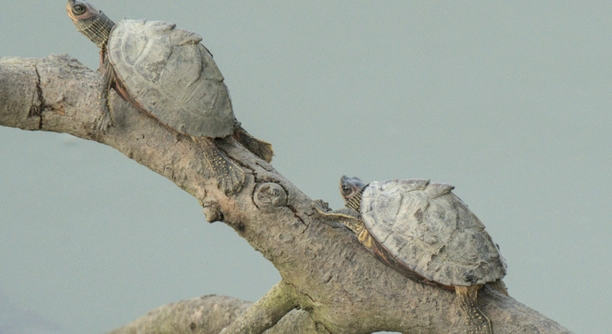
Indian Roofed Tortoises are fascinating creatures, but owners often face a puzzling issue: their pets keep floating in water. Understanding the possible causes behind this behavior is crucial for maintaining their well-being and ensuring a comfortable habitat.
There are several reasons why an Indian Roofed Tortoise may float in water, such as improper water temperature, buoyancy problems, or health issues like excess gas or respiratory infections. Monitoring the environment and the tortoise’s health can help address this.
Knowing the reasons behind your tortoise’s floating behavior will help you provide a safer and healthier living environment for your pet.
Poor Water Temperature
If the water temperature is too low or too high, it can affect your tortoise’s buoyancy. Indian Roofed Tortoises thrive in water temperatures between 75-85°F (24-29°C). Anything outside of this range can cause stress, leading to abnormal floating. Cold water slows down the tortoise’s metabolism, while warmer water may increase its buoyancy. The temperature in the water needs to be monitored regularly to ensure it remains within the ideal range. If you notice that your tortoise is floating more often than usual, checking the water temperature should be one of the first things you do.
To keep your tortoise comfortable, invest in a reliable aquarium heater with a thermostat. This way, you can maintain a consistent temperature and avoid extreme fluctuations that may contribute to floating. A thermometer is also essential for checking the water’s warmth before your tortoise gets in.
Proper water temperature is critical for your tortoise’s health and comfort. Regularly adjusting the temperature can help prevent floating issues and keep your pet in a stable condition. Pay close attention to any temperature changes.
Health Issues
Sometimes, floating can be linked to health problems, such as respiratory infections or excess gas in the digestive system. If your tortoise is floating more than usual and seems lethargic, it could be struggling with a hidden health issue. Respiratory infections can cause air to accumulate in the tortoise’s lungs, increasing its buoyancy and causing it to float. Gas buildup in the digestive system can have a similar effect. If you suspect a health issue, a visit to the vet is necessary for proper diagnosis and treatment.
These health-related issues can be tricky to identify, especially if your tortoise is showing only subtle signs of distress. Keep an eye out for any changes in behavior, such as decreased appetite or difficulty breathing. Early intervention can prevent the problem from worsening.
Taking care of your tortoise’s health should always be a priority. Addressing any potential medical issues early on will ensure your pet remains in good shape. Regular check-ups are recommended to keep track of their well-being and prevent further complications.
Excessive Gas Buildup
Floating can occur when your tortoise has excess gas in its digestive system. Gas buildup can make them less dense and cause them to float in the water. This may happen due to overeating, a poor diet, or even stress. Be mindful of the foods your tortoise consumes, especially those that might cause bloating or digestive issues.
Certain foods, such as high-fiber vegetables or overly fatty treats, can cause gas buildup in the tortoise’s digestive system. To prevent this, make sure to feed your tortoise a balanced diet consisting mainly of leafy greens, avoiding too many treats. If the problem persists, consider adjusting their diet or consulting a vet.
If your tortoise appears to be floating after meals, it could be due to gas in its system. To help prevent this issue, maintain a regular feeding schedule and watch for any foods that could cause discomfort. Offering a consistent diet can help avoid digestive problems and the subsequent floating.
Improper Tank Setup
An improperly set-up tank can affect your tortoise’s behavior in the water. If the tank is too shallow, it may not allow the tortoise to properly regulate its buoyancy. Tortoises need enough space to fully immerse themselves and float naturally. A shallow tank may cause your pet to be overly buoyant, leading to floating.
Ensure that the tank is deep enough for the tortoise to submerge completely. This allows them to adjust their buoyancy as needed. A proper water level also provides more room for your tortoise to move and prevents stress. Proper tank setup ensures your pet’s comfort and encourages healthy behavior.
Check the depth of the tank regularly to ensure it meets the requirements for your tortoise. If the water is too shallow, consider increasing the depth. A more suitable tank setup will reduce the likelihood of floating and give your pet the space it needs to thrive.
Stress and Anxiety
Stress can lead to floating behaviors in tortoises. If they feel threatened or uncomfortable, they might exhibit strange behaviors, such as floating in water. Changes in their environment or sudden movements can cause distress, leading to unusual floating patterns.
Ensure your tortoise has a peaceful, quiet environment. Too much noise, excessive handling, or new pets can increase stress levels. Providing hiding spots or calming elements in their tank may help reduce anxiety. Stress management is key to your tortoise’s overall health, and it can prevent behavioral changes like floating.
Poor Diet
A poor diet can contribute to various health problems, including floating. If your tortoise is not getting enough nutrients, it may have digestive issues that affect its buoyancy. Offering a diet with the right balance of vegetables, fruits, and protein is essential for your pet’s health.
An inadequate diet can lead to malnutrition or digestive problems, which in turn might cause your tortoise to float. Tortoises require specific vitamins and minerals to function well. Adjusting their diet to include high-quality foods will support their digestive health, reducing any floating tendencies.
Infections and Diseases
Floating may also be caused by infections or diseases that affect the tortoise’s lungs or internal organs. Respiratory infections, for example, can cause fluid to build up in the lungs, making the tortoise more buoyant. If floating becomes persistent, it could be a sign of a health issue that needs medical attention.
If your tortoise is showing other signs of illness, such as wheezing or lethargy, it’s important to consult a vet. Infections can be serious and may require antibiotics or other treatments. Prompt medical care can address the root cause of the floating behavior.
FAQ
Why does my Indian Roofed Tortoise keep floating?
Floating in water can occur for several reasons. Common causes include improper water temperature, stress, health issues, and excessive gas buildup. Ensuring the water is at the proper temperature, providing a balanced diet, and maintaining a calm environment can help reduce floating. If the behavior persists, it may be linked to a respiratory infection or other health issue that requires attention from a vet.
What temperature should the water be for my tortoise?
The ideal water temperature for an Indian Roofed Tortoise is between 75°F and 85°F (24°C to 29°C). Water that’s too cold can cause your tortoise to become lethargic and more likely to float. Water that’s too warm can affect their buoyancy. A reliable aquarium heater with a thermometer will help maintain the right temperature.
Can stress cause my tortoise to float?
Yes, stress can cause your tortoise to float. A stressed tortoise might exhibit strange behaviors like floating due to discomfort or anxiety. Stress can result from sudden changes in the environment, new pets, loud noises, or excessive handling. Providing a stable and calm environment with enough hiding spaces can help reduce stress-related floating.
What can I do to reduce floating caused by stress?
To reduce stress, provide your tortoise with a quiet and stable environment. Make sure the tank has hiding spots where your tortoise can retreat if it feels threatened. Avoid handling your tortoise too frequently, especially when it’s adjusting to a new environment. Maintaining consistency in its habitat can help keep stress at bay.
How can I tell if my tortoise has a health problem?
Health issues, such as respiratory infections or gas buildup, can cause floating. Watch for signs like lethargy, wheezing, or difficulty eating. If your tortoise is floating more than usual and also shows these symptoms, it could indicate a health problem that needs veterinary care. Early detection and treatment are important.
What type of diet should I feed my tortoise to prevent floating?
A proper diet is crucial for your tortoise’s health. A balanced diet of leafy greens, vegetables, and some fruits is essential. Avoid high-fat or overly starchy foods, which can lead to digestive problems, including gas buildup. Providing a varied and nutrient-rich diet can help maintain their overall health and prevent issues like floating.
Is floating always a sign of a serious issue?
Not always. Floating can sometimes be a result of minor factors, like water temperature being too high or low, or excessive gas in the digestive system. However, if the floating persists or is accompanied by other signs of distress, it may indicate a health issue, such as a respiratory infection, that requires medical attention.
Can I fix the problem of floating on my own?
You can address some causes of floating, such as improper water temperature or a poor diet, on your own by adjusting the tank’s temperature or changing the food you provide. However, if the floating is due to a health problem, such as a respiratory infection, it’s best to consult a vet for proper diagnosis and treatment.
What if my tortoise keeps floating even after making adjustments?
If your tortoise continues to float despite making environmental or dietary adjustments, it may be suffering from a health problem that requires professional care. Respiratory infections, internal parasites, or organ issues can contribute to floating. A veterinarian specializing in reptiles will be able to diagnose and treat the issue.
Can floating be a sign that my tortoise is dying?
Floating itself is not necessarily a sign that your tortoise is dying, but if the floating is accompanied by severe lethargy, loss of appetite, or labored breathing, these could be signs of a serious health problem. If you notice these symptoms, seek veterinary care as soon as possible to address any underlying conditions.
Final Thoughts
Understanding why your Indian Roofed Tortoise is floating in water can help you address the issue effectively. Floating is not always a sign of a major problem, but it’s important to pay attention to your tortoise’s overall behavior. Factors like water temperature, diet, and stress can contribute to this behavior. Making small adjustments to your pet’s environment can often prevent or resolve the issue. Keep the water temperature within the recommended range, provide a balanced diet, and minimize stress in their habitat. These simple changes can have a significant positive impact on your tortoise’s well-being.
However, if your tortoise continues to float despite these efforts, it might be time to seek professional help. Health issues such as respiratory infections or internal organ problems can cause floating and require proper diagnosis and treatment. While some minor behaviors like floating are normal, persistent or unusual patterns may indicate an underlying health problem that should be addressed quickly. A vet specializing in reptiles will be able to offer the necessary care to keep your tortoise healthy.
In summary, paying attention to the basics—water temperature, diet, and stress management—is crucial for preventing floating in your tortoise. But if the problem persists, don’t hesitate to consult a vet. Your tortoise’s health is the top priority, and taking steps to monitor its well-being will help ensure it lives a long, happy life.

Hello,
If you enjoy the content that we create, please consider saying a "Thank You!" by leaving a tip.
Every little bit helps us continue crafting quality advice that supports the health, happiness, and well-being of pets around the world, for pets of all shapes, sizes, and species.
We really appreciate the kindness and support that you show us!