
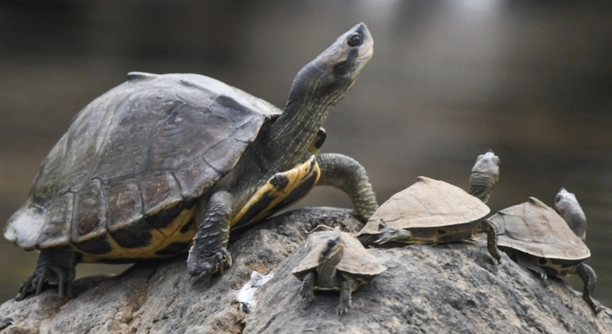
Is your Indian Roofed Tortoise not eating as usual? This can be a concerning issue for any pet owner. Understanding the causes behind this behavior can help you get your tortoise back on track.
There are several reasons why your Indian Roofed Tortoise might not be eating, ranging from environmental stress to improper diet. Addressing these factors through adjustments in habitat, diet, and health checks can encourage normal eating patterns.
By understanding the reasons behind your tortoise’s refusal to eat, you’ll be able to make the right adjustments to support their health. Let’s explore what might be going wrong and how you can fix it.
Stress or Environmental Changes
Tortoises are sensitive to stress, and even small changes in their environment can affect their eating habits. If your Indian Roofed Tortoise is not eating, it may be reacting to something in its habitat. Changes in temperature, lighting, or noise levels can cause discomfort, leading to a decrease in appetite. It’s also important to check if there’s any other stressor, such as the presence of other pets, excessive handling, or loud environments.
A consistent, quiet, and comfortable environment can help your tortoise feel secure and encourage eating. Make sure the habitat is at the right temperature, with a proper heat source, and a suitable light cycle.
If your tortoise has recently been moved or if there are changes around it, this could be enough to make it stop eating. Try to keep its environment stable and stress-free to help it regain its appetite.
Improper Diet
Feeding your tortoise the wrong type of food is another common reason for lack of appetite. Indian Roofed Tortoises need a balanced diet of leafy greens, vegetables, and occasional fruits. They are herbivores, so feeding them too much protein or high-fat foods can cause health issues and a loss of appetite.
Offer a variety of fresh, nutritious food, and avoid processed or unhealthy snacks. A diet that’s too repetitive can also lead to disinterest in food. Make sure to provide a mix of textures and colors to keep your tortoise interested in its meals.
By paying attention to the nutritional value and variety of the food you provide, you can keep your tortoise healthy and more likely to eat regularly. Avoid overfeeding and ensure you offer fresh, clean food every day.
Health Issues
If environmental changes and diet don’t seem to be the issue, there may be an underlying health problem. Tortoises can stop eating if they are sick or injured. Internal parasites, respiratory infections, or digestive issues are common health problems that may lead to a lack of appetite.
If you notice other symptoms, such as lethargy, swollen eyes, or unusual behavior, it’s time to consult a vet. Regular check-ups are important to ensure your tortoise is free from infections or parasites. Health problems can sometimes be subtle, so keep a close eye on any changes in behavior.
If your tortoise refuses to eat for more than a few days and there are no obvious environmental or dietary issues, it’s essential to seek professional advice. Quick treatment can prevent more serious complications and help your pet recover faster.
Improper Temperature
Your tortoise’s eating habits are highly sensitive to temperature. If the enclosure is too cold or too hot, it can make your Indian Roofed Tortoise less active and cause it to stop eating. A temperature range of 80–90°F (27–32°C) is ideal for most tortoises, with a basking spot that is slightly warmer.
If the habitat is too cold, the tortoise may not have the energy to feed. If it’s too hot, it can lead to dehydration and stress, causing appetite loss. Use a thermometer to monitor the temperature and adjust heating sources as needed.
Maintaining a stable temperature within the correct range can make a significant difference in encouraging your tortoise to eat. Adding a basking spot with the right heat will allow your tortoise to regulate its body temperature. Consistency in warmth is crucial to keeping your tortoise active and healthy.
Dehydration
Dehydration is another reason your tortoise might not be eating. If your Indian Roofed Tortoise is not getting enough water, it can become lethargic and lose its appetite. Tortoises need access to fresh water at all times, especially during warmer months.
Check that the water dish is clean and full. Some tortoises also enjoy soaking in shallow water, which can help with hydration. This is especially important if your tortoise is showing signs of dehydration, like dry skin or reduced activity levels.
If your tortoise has been avoiding drinking water, it could be a sign of dehydration. Offer water in different ways, such as by soaking your tortoise in a shallow dish or spraying the food with water. This can encourage drinking and prevent further health issues.
Overfeeding
Overfeeding can also lead to a lack of appetite in your tortoise. While it’s important to provide enough food, overfeeding can cause digestive discomfort, leading to a loss of interest in eating. Stick to a feeding schedule with appropriate portion sizes for your tortoise’s age and size.
Tortoises are not typically “grazers,” so feeding them large amounts at once can lead to bloating or excessive weight gain, which affects their appetite. By keeping portions moderate and consistent, you can avoid this issue and maintain a healthy feeding routine. Additionally, ensure the food you provide is fresh and free from contaminants.
By controlling portion sizes and offering a balanced diet, you will help your tortoise maintain a healthy appetite. Overfeeding can also lead to other health issues, such as obesity or kidney problems. Always offer food in appropriate quantities to keep your tortoise in peak condition.
Inadequate Lighting
Lighting plays a big role in your tortoise’s health and eating habits. If your Indian Roofed Tortoise’s enclosure doesn’t get enough UVB light, it may not be able to properly absorb calcium, which can affect appetite and overall health.
UVB lighting is essential for tortoises to synthesize vitamin D3 and calcium. Without proper lighting, their metabolism can slow down, leading to a lack of interest in food. Make sure to use a proper UVB bulb and place it in the right position within the enclosure.
Check that the UVB bulb is the right strength and is positioned close enough to your tortoise. Replace the bulb every six months, even if it still works, as its UVB output diminishes over time. Proper lighting encourages healthy digestion and appetite.
Parasites or Infection
Parasites or infections can stop your tortoise from eating. If your tortoise has internal parasites or a bacterial infection, it may feel unwell and refuse food. These issues can cause pain, discomfort, and digestive problems.
If you suspect your tortoise has parasites or an infection, a vet visit is necessary. Symptoms may include lethargy, abnormal stool, or swollen eyes. A vet will conduct tests to determine the issue and provide the appropriate treatment to restore your tortoise’s health.
Treating parasitic infections or illnesses is crucial to preventing further complications. A clean and stress-free environment, along with proper diet and hydration, will support your tortoise’s recovery. Seek immediate help from a vet to ensure the best outcome for your pet.
Aging
As tortoises age, their metabolism and appetite can naturally decrease. Older Indian Roofed Tortoises may not be as active and might not feel the need to eat as often. It’s important to monitor their behavior and adjust their diet to meet changing needs.
Even though a decrease in appetite can be normal for older tortoises, make sure they are still getting enough nutrients. Offering a variety of foods can help maintain interest in eating. You may also need to modify their habitat to make them feel more comfortable.
Pay attention to any significant changes in their eating habits. If an older tortoise refuses food for an extended period, it could be a sign of something more serious and might require a vet’s advice.
FAQ
Why is my Indian Roofed Tortoise not eating?
There are many possible reasons for this. It could be environmental stress, an improper diet, or health issues. Sometimes, a change in their surroundings, such as temperature or light, can affect their eating habits. Other times, it could be due to dehydration or illness, like infections or parasites. It’s important to monitor their behavior closely and check if any changes in their habitat or routine might be causing this problem.
How can I make my tortoise eat again?
First, check the basics: ensure the habitat is at the correct temperature and lighting. Offer fresh, varied food, making sure it’s suitable for your tortoise. Also, keep the water clean and offer it regularly. If nothing changes, consider visiting a vet to rule out health issues, such as parasites or infections.
Is my tortoise not eating a sign of illness?
Yes, it could be. If your tortoise has stopped eating for more than a few days and there are signs like lethargy, swelling, or abnormal behavior, it may have an infection or parasites. Illnesses like respiratory infections or digestive problems can cause appetite loss. A vet visit is recommended in these cases.
How long can a tortoise go without eating?
Typically, a healthy tortoise can go without eating for several days, depending on its age, size, and health. However, if your tortoise hasn’t eaten for more than 3–4 days, it’s important to check its condition. A prolonged lack of food could indicate a serious issue. Always consult a vet if you’re concerned.
Can overfeeding make my tortoise stop eating?
Yes, overfeeding can lead to digestive issues or discomfort, making your tortoise lose interest in food. If you feed your tortoise too much, it can cause bloating or obesity, which will impact its appetite. Stick to a balanced feeding schedule with appropriate portions, and offer fresh food daily.
What should I feed my Indian Roofed Tortoise?
Indian Roofed Tortoises are herbivores, so they should be fed a diet of leafy greens, vegetables, and some fruits. Foods like dandelion greens, collard greens, and hibiscus flowers are great options. Avoid high-protein or fatty foods, as these can cause health problems. Offering variety helps keep them interested in food.
Can dehydration cause my tortoise to stop eating?
Yes, dehydration is a common cause of loss of appetite in tortoises. Tortoises need access to fresh water at all times, and if they become dehydrated, they may refuse to eat. Soaking your tortoise in shallow water can also help it stay hydrated, especially if it’s not drinking enough on its own.
What temperature is best for my tortoise to eat?
The temperature of your tortoise’s enclosure should be between 80–90°F (27–32°C), with a basking spot around 95°F (35°C). This temperature range is essential for proper digestion and activity. If the enclosure is too cold or too hot, your tortoise might lose its appetite or become lethargic.
Is UVB lighting important for my tortoise?
Yes, UVB lighting is crucial for your tortoise’s health. It helps them synthesize vitamin D3, which is necessary for calcium absorption. Without adequate UVB light, your tortoise may suffer from metabolic bone disease and lose its appetite. Ensure your tortoise has access to proper UVB light for 10–12 hours a day.
How can I check if my tortoise is sick?
Signs that your tortoise may be sick include lethargy, difficulty moving, swelling, runny nose, cloudy eyes, or abnormal stool. If you notice any of these symptoms, it’s best to consult a vet as soon as possible. A veterinarian will be able to diagnose the issue and recommend the right treatment.
Can a change in habitat make my tortoise stop eating?
Yes, changes in a tortoise’s habitat can cause stress, which in turn affects its eating habits. Moving the tortoise to a new location, changing the substrate, or even introducing new pets to the environment can disrupt its routine and make it stop eating. Try to keep their habitat consistent to minimize stress.
How do I know if my tortoise is eating enough?
It’s important to monitor the amount of food you’re offering and make sure your tortoise is consistently eating. A healthy tortoise should be eating a variety of foods, such as leafy greens, vegetables, and fruits. If your tortoise is not finishing its meals, it may be a sign of a problem.
What if my tortoise is losing weight?
Weight loss in tortoises is concerning and can be caused by many factors, including poor diet, dehydration, or illness. If your tortoise is losing weight, you should take immediate steps to address potential health problems. Visit a vet for a proper diagnosis, and adjust its diet and environment if necessary.
Can stress make my tortoise lose its appetite?
Yes, stress is one of the main causes of a tortoise not eating. Environmental changes, loud noises, or being handled too much can create stress and cause your tortoise to refuse food. Make sure your tortoise has a quiet, comfortable environment and avoid unnecessary disturbances.
How can I keep my tortoise hydrated?
Providing fresh water daily and offering occasional soaks can help keep your tortoise hydrated. Some tortoises prefer drinking from shallow water dishes, while others may need to be gently soaked in warm water to encourage hydration. Keeping the habitat humidity levels optimal also helps.
What should I do if my tortoise is not eating after moving to a new home?
It’s normal for a tortoise to feel stressed after moving to a new environment. Make sure the new habitat is set up properly with the right temperature, UVB lighting, and plenty of food. Avoid handling it too much and allow some time for the tortoise to adjust. If it still refuses to eat after a few days, consult a vet.
Final Thoughts
When your Indian Roofed Tortoise stops eating, it can be concerning, but there are several possible reasons behind this behavior. It might be related to changes in its environment, such as temperature, lighting, or stress. Tortoises are sensitive to their surroundings, and even small changes can cause them to lose their appetite. Additionally, diet plays a major role. If the food isn’t varied or doesn’t meet your tortoise’s needs, it may turn away from meals. Regularly offering fresh, appropriate foods can help maintain their interest in eating.
Health problems are another important consideration. If your tortoise shows signs of illness, such as lethargy or swelling, it’s essential to address these issues as soon as possible. Infections, parasites, or even internal issues like digestive problems can cause appetite loss. If you notice other unusual behaviors alongside the lack of appetite, a visit to the vet will help identify and treat any underlying health problems. Early intervention can prevent more serious issues from developing and ensure your tortoise stays healthy.
Lastly, it’s essential to remember that tortoises, like other pets, require a stable and comfortable environment to thrive. Regularly checking their habitat, hydration levels, and overall care routine can prevent many of the common reasons they refuse food. If environmental stress, diet, or health concerns are addressed, it’s likely your tortoise will return to its normal eating habits. Keep monitoring its behavior, and don’t hesitate to seek professional help if needed.

Hello,
If you enjoy the content that we create, please consider saying a "Thank You!" by leaving a tip.
Every little bit helps us continue crafting quality advice that supports the health, happiness, and well-being of pets around the world, for pets of all shapes, sizes, and species.
We really appreciate the kindness and support that you show us!