
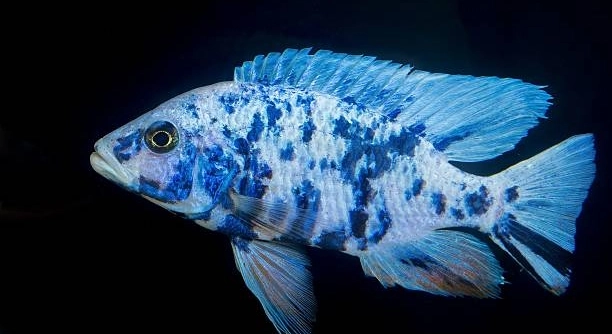
Many aquarium owners enjoy keeping convict cichlids for their bold colors and active behavior. These fish are lively and can be fascinating to watch, but sometimes they vanish from the tank without an obvious explanation.
The disappearance of a convict cichlid often results from stress, illness, predation, poor water quality, or hiding behavior. Each factor can impact their visibility or survival, making it crucial to understand their environment and daily habits.
Knowing the common reasons behind a missing convict cichlid can help you protect your fish. By recognizing these factors, you can maintain a healthier and safer aquarium for all your aquatic pets.
Stress and Aggression
Convict cichlids are known for their strong territorial instincts. If they feel threatened by tank mates or sudden changes in their environment, they may hide or act aggressively. Stress can weaken their immune system, making them more vulnerable to disease or injuries. Overcrowding or introducing new fish too quickly can trigger conflict, and even minor disturbances like sudden noise or light changes may cause prolonged hiding. Observing their interactions closely is important to maintain harmony. Providing sufficient hiding spots and maintaining stable water conditions can reduce stress. Uneaten food and leftover debris can also increase tension, as poor water quality aggravates their behavior. Stress may not always result in immediate disappearance, but prolonged stress can push them to seek shelter in unseen areas. Keeping a calm, predictable environment helps them feel secure. Monitoring changes in color or appetite is essential, as these are early signs of stress or aggression affecting your convict cichlid.
Stress can cause convict cichlids to hide or act aggressively, affecting their visibility and overall health in the aquarium.
Recognizing stress in convict cichlids is critical for preventing health issues. These fish may retreat into decorations or substrate when uncomfortable. A consistent feeding schedule, stable temperature, and minimal disturbances can encourage them to stay active. Separating aggressive tank mates and providing shelters like rocks or PVC pipes ensures they feel safe. Additionally, keeping water parameters within recommended ranges, including pH, temperature, and hardness, reduces stress. Sudden changes in lighting or water conditions can make them disappear for extended periods. Observing daily behavior helps identify patterns linked to stress, allowing timely interventions. Even subtle signs like faded coloration, erratic swimming, or loss of appetite can indicate stress. Addressing these early increases survival chances and maintains a balanced tank ecosystem. A thoughtful arrangement and understanding their behavior help prevent future disappearances. Creating a predictable environment encourages convict cichlids to explore rather than hide.
Water Quality Issues
Poor water quality is a major factor in fish disappearance. High ammonia, nitrite, or nitrate levels can make fish sick and cause them to hide.
Maintaining clean water through regular changes and monitoring parameters ensures convict cichlids remain healthy and visible.
Water chemistry directly affects fish health. Sudden spikes in toxins or improper pH levels can stress fish, lowering immunity and making them prone to disease. Filtration, routine testing, and careful introduction of new fish or plants help stabilize the environment. Accumulated waste, leftover food, and decaying plants contribute to harmful compounds that fish try to avoid. Even minor shifts in temperature or hardness may push them into hiding for safety. Providing a stable, clean habitat prevents illness and encourages natural behavior. Consistent maintenance, including vacuuming the substrate and replacing a portion of water weekly, keeps chemical levels safe. Observing fish for signs of gasping, lethargy, or unusual hiding spots indicates water quality problems before they worsen. Proper aeration and careful monitoring ensure a thriving tank where convict cichlids remain active and visible, reducing unexplained disappearances.
Hiding Behavior
Convict cichlids often retreat to decorations, rocks, or plants when they feel insecure. Hiding is normal, but excessive concealment can make them appear missing.
They use hiding spots to feel safe from perceived threats or aggressive tank mates. If the tank lacks sufficient shelters, they may squeeze into corners or behind objects, remaining out of sight for hours or days. Juveniles and females guarding eggs are especially likely to hide. Changes in lighting or water flow can also influence their behavior, prompting them to seek secure areas. Understanding their natural instinct to hide helps explain why they might seem to disappear.
Providing multiple hiding places across the tank encourages exploration and reduces stress. Regular observation of these areas helps track their activity. Even when hiding, maintaining a clean and stable environment ensures they return to open swimming and feeding routines. Proper tank layout balances safety and visibility.
Illness and Disease
Sickness can make convict cichlids lethargic, reducing their activity and making them difficult to locate.
Infections, parasites, or internal issues often cause fish to isolate themselves. Lethargy, loss of appetite, or unusual swimming patterns indicate a health problem. Ill fish prefer staying in sheltered areas where they feel less exposed. Stress and poor water quality increase vulnerability to illness, sometimes resulting in sudden disappearance if they die in hidden spots. Observing behavior and physical signs early allows timely treatment, increasing recovery chances.
Quarantining new fish and maintaining strict hygiene are crucial. Medications, proper nutrition, and supportive care help infected fish regain health. Ensuring stable water conditions reduces the likelihood of recurring illness. Even minor symptoms should not be ignored, as they can quickly escalate. Regular monitoring, including checking for white spots, torn fins, or swelling, prevents serious outbreaks. A proactive approach ensures convict cichlids remain visible, active, and healthy in the aquarium.
Predation by Tank Mates
Convict cichlids can become targets for larger or more aggressive fish. Predation often occurs when tank mates are incompatible.
Even a single aggressive fish can intimidate or harm a convict cichlid. Smaller or weaker fish may be chased into hiding, reducing their visibility and sometimes leading to injury or death.
Improper Feeding
Inconsistent feeding schedules or insufficient food can cause stress and hiding.
Convict cichlids need a balanced diet with regular portions. Overfeeding can pollute the water, while underfeeding can weaken them. Both scenarios may prompt them to retreat into hidden areas, making it seem like they disappeared.
Escaping the Tank
Accidental escapes can happen if lids are loose or gaps exist.
Convict cichlids are active and strong swimmers. They may jump out during feeding or when startled. Even a brief opportunity can result in a fish leaving the tank, emphasizing the importance of secure covers.
FAQ
Why is my convict cichlid hiding all the time?
Hiding is a natural behavior for convict cichlids. They retreat when stressed, threatened, or when guarding eggs. Overcrowding, aggressive tank mates, or sudden changes in light or water conditions can make them stay hidden. Providing shelters and maintaining a stable environment helps them feel secure.
Can my convict cichlid die without showing signs?
Yes, convict cichlids can become very sick and isolate themselves in hidden spots. Illnesses like bacterial infections, parasites, or internal issues can cause them to die where they are unseen. Regular observation, water testing, and early treatment reduce the risk of sudden death.
Could my fish have jumped out?
Convict cichlids are active swimmers and can jump if the tank is uncovered or gaps exist. Even a small opportunity can result in escape. Using a secure lid prevents accidental jumps and keeps your fish safe.
Does water quality affect their disappearance?
Absolutely. High ammonia, nitrite, nitrate levels, or improper pH can stress convict cichlids. Stress weakens immunity, causing them to hide or become ill. Regular water testing, filtration, and partial water changes keep the environment healthy and visible for your fish.
Are aggressive tank mates a problem?
Yes, aggression from larger or territorial fish can force convict cichlids into hiding. Consistent harassment can even lead to injuries or death. Monitoring fish interactions and providing hiding places reduces conflict. Separating aggressive species may be necessary to maintain safety.
Why do some cichlids disappear during breeding?
Females often hide to protect eggs or fry, while males guard territories. They retreat to secluded areas, which can make them appear missing. Providing caves or plants supports natural breeding behavior without putting other fish at risk.
Can diet affect their activity levels?
Poor nutrition can weaken convict cichlids, making them less active or more prone to hiding. Overfeeding causes water quality issues, while underfeeding reduces energy. Offering a balanced diet on a consistent schedule helps maintain health and visibility.
How can I prevent future disappearances?
Ensure water quality is stable, tank mates are compatible, and adequate hiding spaces exist. Secure the lid, feed a proper diet, and monitor behavior daily. Regular maintenance and observation create a safe environment where convict cichlids remain active and visible.
Is hiding always a bad sign?
Not always. Short-term hiding can be normal, especially during feeding, light changes, or minor disturbances. Persistent or extreme hiding, however, indicates stress, illness, or environmental issues that need attention. Observing patterns helps differentiate between normal and concerning behavior.
What should I do if I find my fish missing?
Check hiding spots, water quality, and tank mates for aggression. Inspect the tank lid for gaps, and examine decorations or substrate where they may have become trapped. Acting quickly helps determine the cause and prevents further losses.
How long can a convict cichlid survive in hiding?
They can stay concealed for hours or even days if stressed, ill, or breeding. Prolonged hiding often indicates underlying problems. Maintaining clean water, proper nutrition, and minimal stress encourages them to resume normal activity.
Can stress cause long-term hiding behavior?
Yes, chronic stress weakens the immune system and promotes prolonged concealment. Reducing environmental stressors, providing shelter, and maintaining consistent conditions helps them recover and reduces the likelihood of disappearance.
Is it possible to locate a missing fish quickly?
Searching carefully among decorations, plants, and substrate usually reveals hidden convict cichlids. Using a flashlight or gently moving objects can help spot them without causing harm. Observing their usual hiding spots aids faster detection.
How do I treat a sick fish I find hiding?
Quarantine the fish to prevent spreading disease, check water quality, and use medications appropriate for the condition. Supportive care like proper feeding and stable water conditions increases recovery chances. Consulting a veterinarian or experienced aquarist ensures correct treatment.
Do juvenile cichlids hide more than adults?
Yes, younger fish are more timid and vulnerable to aggression. They use hiding spots frequently for safety. Providing multiple small shelters encourages them to explore while feeling secure, promoting healthy growth and activity.
What role do decorations play in hiding?
Decorations offer security and reduce stress, but excessive or cramped objects can trap fish or limit visibility. Balanced tank design ensures convict cichlids have safe spaces without creating hiding zones that make monitoring difficult.
Can temperature changes cause disappearance?
Sudden shifts in temperature stress convict cichlids, prompting hiding or lethargy. Maintaining stable water temperature within recommended ranges prevents stress-related concealment and supports overall health.
How often should I check on hiding fish?
Daily observation is ideal. Check all hiding spots, water parameters, and tank mates. Early detection of stress, illness, or aggression prevents disappearance and ensures fish remain active and healthy.
Do all cichlids hide the same way?
No, hiding behavior varies by species, age, and individual temperament. Convict cichlids prefer rocky shelters and small caves. Understanding species-specific tendencies helps anticipate and manage their behavior effectively.
What are signs that hiding is due to illness rather than stress?
Illness often shows physical symptoms like faded colors, torn fins, unusual spots, or labored breathing. Stress alone usually involves hiding and slight behavioral changes without visible health issues. Monitoring both behavior and appearance helps identify the cause accurately.
How do I improve the tank environment to reduce hiding?
Provide stable water conditions, compatible tank mates, secure covers, balanced feeding, and adequate hiding spaces. Regular cleaning and monitoring prevent stress and illness, making convict cichlids more active and visible while supporting long-term health.
Convict cichlids are active and fascinating fish, but they can sometimes disappear from sight in ways that worry owners. Their behavior is influenced by many factors, including stress, aggression, water quality, and hiding instincts. It is important to remember that hiding is a natural response to certain conditions, and it does not always mean something is seriously wrong. Understanding their environment and behavior helps in preventing sudden disappearances. Providing a stable tank setup, with proper water parameters and plenty of hiding places, gives these fish a sense of security. When convict cichlids feel safe, they are more likely to be active, explore the tank, and display their natural behaviors, which is part of the enjoyment of keeping them. Observing them daily allows for early detection of issues and ensures their well-being.
Stress is one of the main reasons convict cichlids may vanish or stay hidden for long periods. Stress can be caused by overcrowding, incompatible tank mates, sudden changes in water conditions, or frequent disturbances. It is important to monitor interactions among fish and provide enough space for each individual. Creating safe zones with rocks, caves, and plants reduces stress and gives them places to retreat when they feel threatened. Even small changes, like a new decoration or a slight shift in lighting, can influence their comfort levels. Keeping the environment consistent, feeding regularly, and maintaining water quality helps minimize stress. Reducing stress not only prevents hiding but also supports their overall health and immune system, making them less susceptible to illness or injury.
Illness, poor water quality, or improper care can also contribute to the disappearance of convict cichlids. High levels of ammonia, nitrites, or nitrates, as well as fluctuating temperatures, can make fish seek shelter or become lethargic. Disease may not be immediately visible, and sick fish often retreat to hidden areas. Quarantining new fish, monitoring water parameters, and providing a balanced diet are essential to maintaining their health. Observing subtle changes in color, behavior, or appetite can help catch problems early. With careful care, attention to tank conditions, and understanding of their natural instincts, convict cichlids can thrive and remain active. By addressing the common factors behind their disappearance, owners can ensure a safe and healthy environment where these fish are less likely to vanish without explanation.

Hello,
If you enjoy the content that we create, please consider saying a "Thank You!" by leaving a tip.
Every little bit helps us continue crafting quality advice that supports the health, happiness, and well-being of pets around the world, for pets of all shapes, sizes, and species.
We really appreciate the kindness and support that you show us!