
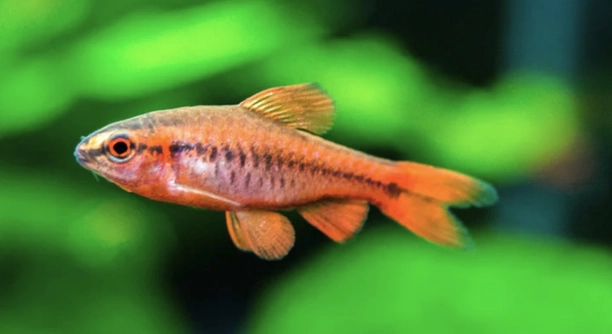
Is your cherry barb spending most of its time tucked away behind plants or hiding at the bottom of the tank?
The main reason your cherry barb is hiding is stress. Factors such as poor water conditions, aggressive tank mates, lack of hiding spots, or illness can cause this behavior. Addressing these issues often brings improvement.
Cherry barbs are peaceful fish, and their behavior can change easily based on their environment. Understanding why they hide helps ensure a healthier and more comfortable life in their tank.
Poor Water Conditions
Cherry barbs are sensitive to water quality. If the tank isn’t maintained properly, it can cause them to feel unsafe and hide. Ammonia, nitrite, and high nitrate levels can quickly affect their health and behavior. A lack of regular water changes, leftover food, or dirty filters are often behind the issue. It’s important to test the water weekly and clean the tank consistently. These fish prefer a temperature between 74°F and 80°F and a pH level from 6.0 to 7.5. If the water falls outside these ranges, it may lead to stress. Clean water helps cherry barbs feel secure and stay active. Poor water conditions not only make them hide but can also lead to sickness. A stable, clean environment encourages them to explore more often and swim freely.
Look for signs like clamped fins, fast breathing, or faded color. These can point to water quality issues.
Regular maintenance helps keep your fish healthy and visible. When they feel safe, they show off their natural colors and active personalities.
Aggressive Tank Mates
Cherry barbs are peaceful fish that do best with calm neighbors. Aggressive or overly active tank mates can intimidate them and push them into hiding.
If your cherry barb is hiding often, take a close look at who it’s sharing the tank with. Some species, like tiger barbs or certain cichlids, can be territorial or nippy. Even fast-swimming fish may stress them out. When a cherry barb feels threatened, it will avoid open spaces and spend more time in corners, behind decorations, or near the substrate. It’s best to choose tank mates that are similar in size and behavior. Good companions include neon tetras, harlequin rasboras, and other peaceful community fish. Keeping cherry barbs in small groups of five or more also helps them feel more secure. In the right setup, they will swim confidently and interact more with their surroundings. Watching them thrive is a sign that their space feels safe and comfortable.
Lack of Hiding Spots
Cherry barbs need places to hide, even when they’re not scared. It helps them feel safe and reduces stress. Without enough cover, they may stay hidden more often or become less active.
Plants, driftwood, and caves provide shelter and break up the line of sight in the tank. When fish feel exposed, they’re more likely to stick to corners or dark spots. Adding more hiding spaces doesn’t just help with comfort—it can actually make them come out more. Natural decorations, like live or silk plants, give cherry barbs a familiar and calming environment. Spread them around the tank to create shaded, private areas. These spots offer a place to retreat when they need a break. The more secure they feel, the more confident they become in exploring their space.
If your tank is too open, they may constantly feel on edge. A balanced layout helps them stay relaxed and visible.
Illness or Injury
When a cherry barb is sick or injured, it will often isolate itself. Hiding becomes a way to avoid attention from other fish or to rest in a calmer spot. This change in behavior can happen quickly and might be the first sign something is wrong.
Watch for other signs like a lack of appetite, pale color, clamped fins, or erratic swimming. These can point to internal problems, parasites, or external wounds. Regular observation helps catch issues early. A quarantine tank is useful if you suspect disease—separating the affected fish reduces risk to others and allows for proper treatment. Make sure to check water quality, as it often plays a role in illness. If caught early, many issues can be treated successfully with over-the-counter fish medications or by improving tank conditions. A healthy cherry barb will eventually return to its normal behavior once it starts to feel better.
New Environment or Recent Changes
Cherry barbs can become shy when introduced to a new tank. A new environment takes time to adjust to, and hiding is a normal response during this period.
Even small changes, like new decorations or different lighting, can make them feel unsure. Give them time to settle in.
Low Lighting Preference
Cherry barbs often feel more at ease in soft lighting. Bright lights can make them stay in shaded areas or under plants to avoid exposure. Using dimmer lights or floating plants to block light can help them feel safer.
When lighting matches their comfort level, cherry barbs are more likely to swim around freely. In tanks with strong overhead lighting and no cover, they may stay hidden most of the time. Floating plants like duckweed or frogbit help soften the light, creating natural shade. This not only mimics their natural habitat but also brings out their best colors and more active behavior.
Being Outnumbered
If cherry barbs are kept alone or with too many other fish, they may become stressed and hide. A balanced group of their own kind helps them feel more secure.
FAQ
Why is my cherry barb hiding all of a sudden?
Sudden hiding is usually a response to stress. This could be from a water change, new tank mates, changes in lighting, or even loud noises near the tank. Fish are sensitive to their surroundings, and cherry barbs in particular can become shy quickly if something feels off. Check for any recent changes in the tank setup or environment. Also test the water parameters to ensure everything is within a healthy range. A stressed cherry barb will often return to normal once the situation settles and they feel safe again.
How long will my cherry barb hide after being added to a new tank?
It’s common for cherry barbs to hide for several days, sometimes even a week or more, after being introduced to a new tank. They need time to adjust to the new environment, scents, and tank mates. Providing hiding spots and maintaining a calm, stable setup helps speed up the process. Avoid disturbing the tank during this time, and keep lighting low if possible. Once they start feeling more secure, they’ll come out and explore more often.
Can poor water quality make cherry barbs hide?
Yes, poor water quality is one of the most common reasons cherry barbs hide. High ammonia, nitrite, or nitrate levels can make them feel uncomfortable or even sick. When conditions are off, they may hide to avoid stress. Check your filtration system, test the water, and do regular water changes to keep things clean. If you notice clamped fins or rapid gill movement along with hiding, poor water may be the cause. Improving conditions usually helps them return to normal behavior.
Do cherry barbs need to be in groups to feel safe?
Cherry barbs are social fish and do best in groups. Keeping at least five or six together helps them feel secure. When they’re alone or in very small numbers, they may become shy or stressed. In groups, they display more natural behaviors and are more likely to swim out in the open. A peaceful group dynamic can reduce anxiety and hiding. Mixing them with the right tank mates also helps maintain a calm environment.
Are cherry barbs naturally shy fish?
They’re not naturally shy, but they do have a cautious nature, especially when something is off in the tank. In a well-balanced setup with proper lighting, tank mates, and clean water, cherry barbs are active and curious. If they’re always hiding, it’s usually a sign something is bothering them. Watch their behavior over time. Short periods of hiding are normal, but long-term hiding means something needs to be fixed in their environment.
Can illness make cherry barbs stay hidden?
Yes, if a cherry barb is sick, it will often hide. This is a natural behavior meant to protect them when they feel weak. Look for signs like weight loss, color fading, sores, or strange swimming patterns. Isolate the fish if needed and consider treatment depending on the symptoms. Keeping your water clean and avoiding overcrowding can help prevent many common illnesses. A healthy cherry barb will be more active and visible.
What type of tank mates help cherry barbs feel less stressed?
Peaceful, similarly sized fish are the best companions for cherry barbs. Avoid aggressive or very fast swimmers that may chase or nip at them. Good options include neon tetras, harlequin rasboras, danios, and cory catfish. A calm tank helps reduce stress and keeps everyone healthy. The wrong tank mates can push cherry barbs into hiding and cause long-term problems. When choosing companions, consider how active and territorial the other fish are.
Does lighting affect cherry barb behavior?
Yes, lighting has a strong effect. Bright or harsh lighting can make them feel exposed and unsafe. Cherry barbs prefer moderate to low lighting. Adding floating plants or adjusting the intensity of your aquarium lights can make a big difference. A dimmer tank often encourages more natural, relaxed behavior. Try observing them during different lighting conditions to see what makes them more comfortable. Creating a balanced light level helps them feel secure and reduces hiding.
Final Thoughts
Cherry barbs are gentle, colorful fish that can bring a lot of life to a freshwater tank. When they start hiding more than usual, it usually means something in their environment is making them uncomfortable. It could be poor water quality, aggressive tank mates, or even too much light. Sometimes, it’s as simple as them being new to the tank and needing time to adjust. Watching their behavior closely and keeping track of any changes in the tank can help you figure out what’s wrong. Once the problem is fixed, most cherry barbs will return to swimming freely and acting normally.
Making sure they have the right setup is key to helping them feel safe. Clean water, a stable temperature, and a group of their own kind can make a big difference. They also like having places to hide, even when they’re not scared. This gives them a sense of security and helps reduce stress. Try adding some live plants, driftwood, or rock caves to the tank. It’s also important to avoid sudden changes, like loud noises, tank rearrangements, or new fish being added too quickly. Small things can have a big impact on how they act. Giving them a calm, stable home helps them feel more confident.
In many cases, hiding is temporary and easy to fix. The key is to stay patient and make sure you’re meeting all their needs. Regular maintenance, proper food, and careful observation go a long way. Every fish behaves a little differently, but cherry barbs are known to be more active and playful when their environment feels safe. If you take the time to understand what they need, they’ll reward you with their bright colors and calm swimming. And remember—hiding doesn’t always mean something is seriously wrong. It can just be a sign they need a bit more time or space. With a few small changes and a little attention, you can help your cherry barb feel at home again.

Hello,
If you enjoy the content that we create, please consider saying a "Thank You!" by leaving a tip.
Every little bit helps us continue crafting quality advice that supports the health, happiness, and well-being of pets around the world, for pets of all shapes, sizes, and species.
We really appreciate the kindness and support that you show us!