
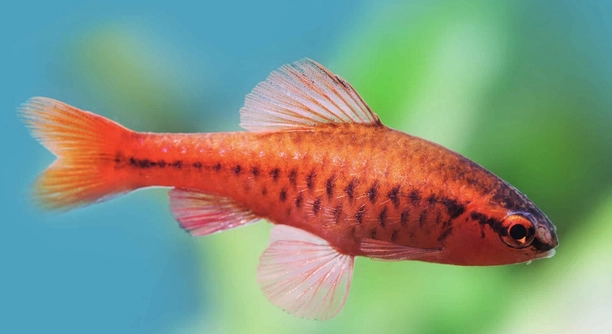
Cherry barbs are known for being hardy fish, but sometimes they seem to vanish without a trace. If you’re wondering why your cherry barb has disappeared, there are several potential causes worth considering.
The most common reasons for a missing cherry barb include stress, poor water conditions, or predation from other tank mates. In some cases, they may have died due to a hidden illness or injury, making them harder to locate.
Addressing these concerns can help you identify the cause and prevent future disappearances. Understanding the factors at play can also ensure your cherry barb’s tank is a healthier and safer environment for them.
Stress from Tank Mates
Cherry barbs are peaceful fish, but they can easily become stressed by more aggressive tank mates. When they feel threatened, they may hide or avoid certain areas of the tank. This stress can lead to health issues or cause them to disappear altogether. If you’re keeping them with more dominant fish, like cichlids or other territorial species, your cherry barb may not feel comfortable enough to come out and explore.
Sometimes, they will try to escape from other fish by hiding, especially in tight spaces or plants where they feel more secure. Over time, this stress can cause them to become lethargic or sick, making them less active and more likely to disappear.
If you’re noticing that your cherry barb is staying hidden more often or acting withdrawn, it could be a sign of stress from other fish. To help them feel safer, try separating them from overly aggressive tank mates or adding more hiding spots to the tank. This way, they can find shelter and avoid feeling harassed. Creating a calm and peaceful environment is key to keeping your cherry barbs healthy and happy.
Poor Water Quality
Water quality is one of the most important factors for the health of your fish. If the water in your tank is too dirty or the levels of ammonia, nitrites, or nitrates are high, your cherry barb may suffer. Poor water conditions can cause illness, stress, and even death.
Maintaining good water quality is essential for all aquarium fish. Regular water changes, checking the filtration system, and testing water parameters can prevent many common health issues. Make sure your cherry barbs are in a well-maintained tank to keep them healthy and avoid any issues that could make them disappear.
Illness or Disease
Cherry barbs are prone to several diseases, especially when they’re under stress. If your fish disappears, it might be due to an illness like fin rot, velvet disease, or ich. These can cause symptoms like fading color, lethargy, or loss of appetite.
Some illnesses are hard to spot at first, especially if the symptoms are subtle. Your fish may initially show slight signs of distress before becoming seriously ill. Diseases like ich can spread quickly in the tank, affecting other fish and making it harder to identify a single fish that’s gone missing. It’s important to closely monitor all your fish and watch for early signs of illness.
If you suspect your cherry barb might be sick, it’s important to act quickly. Isolate the fish if possible, and treat the tank with appropriate medications. Regularly testing water parameters can also help you avoid stress-related illnesses by ensuring your tank is in the best condition possible for all fish.
Inadequate Tank Size or Setup
If your cherry barb doesn’t have enough space to swim or hide, it might become stressed and hide more often. A cramped or poorly set-up tank could lead to them disappearing, either due to stress or health complications.
Cherry barbs need a tank with enough room to swim freely. While they’re small fish, they still need ample space to move around and explore. Overcrowding can lead to stress, aggression from other fish, and less active behavior. Providing plants, rocks, and hiding spots in the tank will help your cherry barb feel more secure.
Make sure your tank size is appropriate for the number of fish you have. A 20-gallon tank is often recommended for small schools of cherry barbs. When they feel comfortable in their environment, they’re less likely to hide or vanish. It’s also important to set up the tank with areas for swimming and spaces where your fish can retreat to if needed.
Overfeeding or Improper Diet
Overfeeding your cherry barb can lead to health issues, making them more vulnerable to hiding or disappearing. Leftover food in the tank can pollute the water, stressing the fish. Feeding them too much can also cause digestive problems or even death.
It’s important to provide the right amount of food and not leave excess in the tank. Feed your cherry barb only what they can consume in a few minutes to avoid polluting the water and creating an unhealthy environment. This will also help keep the fish more active and less likely to hide or disappear.
Predation by Other Fish
If you have larger or more aggressive fish in the tank, they may target your cherry barb. This predation can lead to them being eaten or forced into hiding, making them harder to find.
Aggressive tank mates like bettas or larger species can be dangerous to smaller fish. While cherry barbs are peaceful, they can still fall victim to more dominant or predatory fish. If you suspect predation, remove the aggressive fish and try to create a safer environment for your cherry barb.
Temperature Fluctuations
Cherry barbs are sensitive to temperature changes. If the water temperature fluctuates too much, it can cause stress and lead to health issues. A stable, warm environment is essential for keeping them happy and active.
Maintaining a consistent water temperature between 72-80°F (22-27°C) is ideal for cherry barbs. Sudden changes in temperature can weaken their immune system and cause them to hide or become lethargic. Using a reliable aquarium heater and thermometer can help regulate the tank’s temperature, ensuring your fish stay comfortable.
FAQ
Why did my cherry barb disappear without a trace?
Cherry barbs can disappear for a variety of reasons. Stress from aggressive tank mates, poor water conditions, or illness could all lead to your fish hiding or even dying without being noticed. If your fish is still alive but hiding, check for signs of disease or if they’re stressed by tank conditions.
How do I know if my cherry barb is stressed?
A stressed cherry barb may become lethargic, hide more than usual, or swim erratically. Their colors may fade, and they might stop eating. If you notice any of these signs, it’s important to assess the tank environment, including water quality, temperature, and tank mates.
What should I do if I suspect illness in my cherry barb?
If your cherry barb shows signs of illness, like faded color, loss of appetite, or abnormal swimming behavior, isolate the fish if possible. Treat the tank with the appropriate medication for the suspected disease. Make sure to check water parameters and do water changes to keep the tank environment clean.
Can my cherry barb be eaten by other fish?
Yes, larger or more aggressive fish in the tank can pose a threat to your cherry barb. Species like cichlids, bettas, or barbs can harass or even eat your smaller cherry barb, especially if they are stressed or weak. It’s important to pair cherry barbs with peaceful tank mates.
What is the ideal tank size for cherry barbs?
Cherry barbs do best in a tank that is at least 20 gallons. This gives them enough space to swim and explore. Overcrowding can lead to stress, aggression, and health problems, so it’s important to maintain a balanced number of fish in a suitable-sized tank.
How often should I change the water in my cherry barb’s tank?
Water changes should be done regularly to maintain good water quality. Typically, you should change 20-30% of the water every week. If you notice poor water quality or high ammonia levels, more frequent changes might be necessary to ensure a healthy environment for your cherry barb.
What is the best water temperature for cherry barbs?
Cherry barbs thrive in water temperatures between 72-80°F (22-27°C). Sudden changes in temperature can cause stress and weaken their immune system. Using a reliable aquarium heater will help you maintain a stable environment for your fish.
What are the signs of poor water quality in my cherry barb’s tank?
Signs of poor water quality include cloudy water, a strong odor, and the presence of algae. If you notice your fish behaving lethargically or showing signs of disease, it may be time to test the water for ammonia, nitrites, and nitrates. Regular testing will help you keep the water conditions in check.
Can overfeeding cause my cherry barb to disappear?
Yes, overfeeding can lead to poor water quality, which can stress your cherry barb. Leftover food can pollute the water, leading to harmful bacteria and algae growth. It’s important to feed your cherry barb only what they can consume in a few minutes to avoid these issues.
How can I create a stress-free environment for my cherry barb?
To reduce stress, provide plenty of hiding spots in the tank using plants, rocks, or decorations. Avoid keeping aggressive tank mates, and maintain stable water conditions. Regularly monitor the tank’s temperature and water parameters to ensure a comfortable environment for your cherry barb.
Why did my cherry barb stop eating?
If your cherry barb has stopped eating, it could be due to stress, illness, or poor water quality. Check the tank’s conditions, including temperature, water cleanliness, and tank mates. If the issue persists, consider isolating the fish and treating for possible diseases.
Final Thoughts
Cherry barbs are generally hardy and easy-to-care-for fish, but like all aquarium inhabitants, they can face challenges that may lead to them disappearing or acting strangely. Stress, poor water quality, or incompatible tank mates can all have a negative impact on their well-being. If you notice your cherry barb acting differently or hiding more often, it’s important to pay attention to the environment and their overall health. A little proactive care can make a big difference in ensuring your fish thrive in your aquarium.
Proper tank conditions are essential for keeping your cherry barbs happy. Maintaining stable water parameters—like temperature, pH, and nitrate levels—is crucial. A clean tank, regular water changes, and appropriate filtration will go a long way in reducing stress and preventing health problems. Cherry barbs also need space to swim and hide, so be mindful of their tank size and the types of fish you keep with them. Keeping them with peaceful species and providing plenty of hiding spots will help them feel more secure and less likely to retreat into hiding.
In conclusion, understanding the needs of your cherry barb and creating a suitable environment for them is key to keeping them healthy and visible in your aquarium. By avoiding common mistakes, like overfeeding, overcrowding, or keeping aggressive tank mates, you can ensure your cherry barbs live a long and happy life. Regular monitoring, good tank maintenance, and a bit of attention to their behavior will help you prevent any future issues and keep your fish happy. With these steps, you’ll have a better chance of seeing your cherry barbs swim freely and enjoy their environment.

Hello,
If you enjoy the content that we create, please consider saying a "Thank You!" by leaving a tip.
Every little bit helps us continue crafting quality advice that supports the health, happiness, and well-being of pets around the world, for pets of all shapes, sizes, and species.
We really appreciate the kindness and support that you show us!