
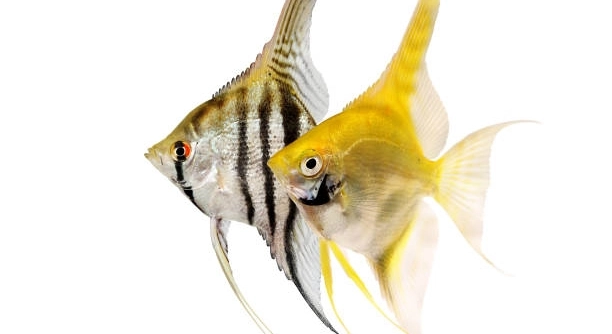
Angelfish are beautiful, but they can sometimes disappear unexpectedly from your aquarium. Understanding the reasons behind their sudden absence can help you address any issues and prevent future problems.
Several factors can cause your angelfish to disappear, including stress, poor water quality, or even predation by other fish. It’s important to evaluate the environment and your aquarium setup to identify potential causes and resolve the issue.
These insights will help you better care for your angelfish, ensuring their safety and well-being in the future.
Stress in the Aquarium
Stress is one of the leading causes of an angelfish disappearing. Angelfish are sensitive to changes in their environment, and even minor disturbances can cause them to hide or become stressed. Changes in water temperature, sudden changes in lighting, or the introduction of new fish can trigger anxiety. Stress can also lower their immune system, making them more vulnerable to diseases, which could explain their sudden disappearance.
Stress in fish is often not visible right away, and its effects may not be immediately clear. Stress often leads to hiding, lack of eating, or erratic swimming patterns. It’s important to observe any unusual behavior, as it could indicate underlying issues causing your angelfish to retreat. Creating a peaceful and stable environment is essential to reducing stress. Ensuring that the aquarium is set up correctly and maintaining consistency will help angelfish feel secure in their habitat.
Providing a calm environment can make a significant difference in the health of your angelfish. Regularly check water parameters, such as temperature, pH, and ammonia levels, to ensure they are within a safe range for the species.
Poor Water Quality
Angelfish are extremely sensitive to poor water quality, which can lead to health issues and even death. If the water conditions aren’t optimal, it may cause your angelfish to hide or disappear.
To prevent this, regularly test the water for ammonia, nitrate, nitrite, and pH levels. Keep a regular cleaning routine for the tank to ensure proper filtration and water circulation. Water changes should be done at least once a week to maintain a clean environment. If any changes in water quality are detected, address them promptly to avoid stress on your fish.
A well-maintained aquarium can ensure the long-term health of your angelfish. Poor water quality, if not corrected, can lead to a decline in health, and your fish may disappear or perish.
Predation by Other Fish
If you have other fish in the tank, there’s a chance they could be preying on your angelfish. Some fish are more aggressive and may see smaller or weaker fish as easy targets. If your angelfish is hiding often, it may be because it’s being harassed or attacked.
Fish like cichlids or larger, more territorial species can pose a threat. They may nip at your angelfish or chase it into hiding. It’s important to monitor interactions between tank mates and ensure your angelfish is safe. If aggression is detected, consider separating the fish to protect your angelfish.
Keeping peaceful fish together with angelfish can help prevent stress. If predation is an issue, relocating the aggressive fish or adding more hiding spots could give your angelfish a safe space. Providing caves, plants, and decorations will allow your fish to retreat when feeling threatened.
Tank Size and Space
Angelfish need enough space to swim and explore. A tank that’s too small can cause stress and lead to territorial issues with other fish. Ideally, angelfish should be kept in at least a 30-gallon tank, with ample room to move around freely.
If your tank is overcrowded, it may cause the angelfish to hide more often. They can become stressed when they don’t have enough space, and this may make them more vulnerable to aggression from other fish. To ensure your angelfish remains comfortable, make sure they have plenty of room and consider upgrading the tank size if needed.
A larger tank also provides better water quality control, as more space helps dilute waste products. This can reduce the likelihood of sudden health problems in your fish, improving their chances of thriving long-term.
Illness or Disease
Illness is another reason your angelfish may disappear. Fish suffering from diseases like Ich or velvet often hide to recover. If your fish is acting lethargic or has visible signs of illness, it’s crucial to take action quickly.
Diseases spread quickly in aquariums, so isolating the affected fish can help prevent the illness from affecting others. Monitoring the tank for any changes in behavior or appearance will allow you to catch issues early. If illness is suspected, treating the tank with medication specific to the disease is recommended.
Treating illnesses promptly can save your angelfish and help restore its health. A healthy tank environment, with proper filtration and water quality, will prevent disease from becoming an issue in the first place.
Overfeeding
Overfeeding is a common mistake many aquarists make, and it can lead to multiple problems, including poor water quality and stress for your angelfish. Excess food can quickly decay and pollute the tank.
Too much food can also cause your angelfish to hide. It may feel overwhelmed or unwell from overfeeding, which can result in a loss of appetite. Ensuring you only feed your angelfish what it can consume in a few minutes is essential for its health and happiness.
Overfeeding also causes an excess of nutrients in the water, which can lead to algae blooms and increased ammonia levels. Feeding sparingly and removing uneaten food will help prevent these issues.
FAQ
Why is my angelfish hiding so much?
Hiding is a common behavior in angelfish when they are stressed, unwell, or feel threatened. Stress can be caused by various factors, including water quality issues, aggressive tank mates, or changes in the environment. It’s important to observe their behavior closely. If they are hiding for long periods, it could also signal that they are sick or have been intimidated by other fish. Ensuring stable water conditions and reducing any potential threats can encourage your angelfish to come out and swim freely.
What should I do if my angelfish is sick?
If your angelfish shows signs of illness, such as lethargy, fading colors, or strange swimming patterns, it’s crucial to act quickly. First, isolate the sick fish to prevent the spread of disease. Next, identify the symptoms and research the specific illness to treat it appropriately. Many fish diseases, such as Ich, can be treated with medications that can be found at most pet stores. Keeping the water conditions stable and ensuring proper tank hygiene is essential for recovery.
How do I know if my angelfish is stressed?
Stress in angelfish can show up in several ways, such as erratic swimming, hiding, or refusal to eat. They may also become more aggressive or skittish. Poor water conditions, aggressive tank mates, or a cramped environment are common stress factors. Providing hiding spots and ensuring that your fish have adequate space can help reduce stress levels. Maintaining proper water parameters is also vital to keep your angelfish comfortable.
Is it possible that my angelfish was eaten by another fish?
Yes, larger or more aggressive tank mates can sometimes prey on smaller or weaker fish, including angelfish. If your angelfish suddenly disappears, it’s possible that another fish may have attacked or eaten it. To prevent this, choose compatible tank mates and monitor interactions between fish regularly. Adding more hiding spots can give your angelfish a safe place to retreat if needed.
How do I keep my angelfish from hiding?
To encourage your angelfish to stay active and avoid hiding, ensure that their tank is a comfortable and stable environment. Check the water parameters regularly and make sure they are within the correct range for angelfish. Adding decorations like plants, caves, or rocks can give your fish places to hide when they feel threatened, but they will still feel secure. Ensuring proper tank size and keeping peaceful fish with your angelfish will help prevent stress and encourage them to swim freely.
Can poor water quality cause my angelfish to disappear?
Yes, poor water quality is a leading cause of stress and illness in fish, including angelfish. When ammonia, nitrites, or nitrates are too high, or the pH is unbalanced, it can cause fish to become lethargic, stressed, or even die. Testing the water regularly and performing water changes will help keep the tank environment healthy. Proper filtration and water circulation are essential to maintain a safe environment for your fish.
Why did my angelfish stop eating?
If your angelfish stops eating, it could be a sign of stress, illness, or poor water quality. Fish that feel threatened or unwell may refuse food, and this can lead to further health problems. Check the water parameters and look for any signs of disease. If the fish appears sick, isolate it and provide treatment as needed. Stress factors such as overfeeding, too many tank mates, or water changes can also affect your angelfish’s appetite.
What should I do if my angelfish is being aggressive?
Angelfish are territorial by nature, and sometimes they can display aggression toward other fish, especially if the tank is overcrowded or the space is insufficient. If your angelfish is being overly aggressive, ensure the tank is large enough and the other fish are compatible. Providing multiple hiding spots and decorations can help reduce territorial behavior. If the aggression persists, consider separating the aggressive angelfish from the rest of the tank mates to prevent further stress and damage.
Can my angelfish survive without a filter?
Angelfish, like most fish, need a filter to maintain a healthy tank environment. Filters help remove waste, excess food, and harmful chemicals like ammonia and nitrates from the water. Without proper filtration, the water quality can quickly deteriorate, leading to health problems for your angelfish. While you can keep angelfish in a tank without a filter, it requires frequent water changes and careful monitoring of water parameters to ensure they stay healthy.
How often should I feed my angelfish?
Angelfish should be fed once or twice a day. It’s important to offer only as much food as your fish can consume in a few minutes to prevent overfeeding, which can pollute the water and lead to health issues. A varied diet, including high-quality flakes or pellets and occasional live or frozen foods like brine shrimp or bloodworms, will help ensure your angelfish receive the nutrients they need.
Final Thoughts
Understanding why your angelfish disappeared is crucial to resolving the issue. Whether it’s due to stress, illness, or predation by other fish, identifying the underlying cause will help you take the proper steps. By paying attention to your tank’s environment and your angelfish’s behavior, you can quickly detect problems and make necessary adjustments. The health and happiness of your angelfish rely on the balance of water quality, tank size, and the compatibility of other fish. Each of these factors plays a significant role in your angelfish’s well-being.
Maintaining a stable environment with proper tank conditions is essential for preventing issues. Angelfish are sensitive to changes in water parameters, so regular monitoring is key. Keeping the water clean and making sure the temperature and pH levels are within the correct range will help your fish thrive. It’s also important to provide enough space for your angelfish to swim and to include plenty of hiding spots in the tank. These simple steps will reduce stress and encourage your fish to remain active rather than hiding.
If you find that your angelfish continues to hide, don’t hesitate to investigate further. It could be a sign of illness, injury, or an issue with other fish. By addressing these problems early, you can improve the conditions of your tank and help your angelfish feel safe and comfortable again. The more you learn about your fish and its needs, the better equipped you’ll be to keep them healthy and happy.

Hello,
If you enjoy the content that we create, please consider saying a "Thank You!" by leaving a tip.
Every little bit helps us continue crafting quality advice that supports the health, happiness, and well-being of pets around the world, for pets of all shapes, sizes, and species.
We really appreciate the kindness and support that you show us!