
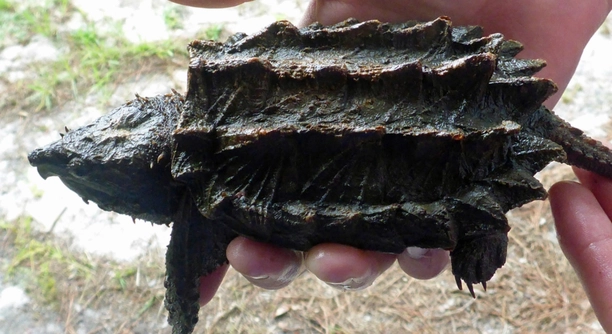
Alligator snapping turtles are fascinating creatures with unique behaviors. Observing them rubbing against rocks can be concerning to owners. Understanding this behavior can help ensure the well-being of your pet and provide insights into its needs.
The primary reason your alligator snapping turtle rubs against rocks is due to its natural instinct to shed old skin or parasites. This behavior may also be linked to environmental factors like temperature, water quality, or stress.
This behavior might seem unusual, but there are various reasons behind it that are important to consider for your turtle’s health and comfort.
Shedding Skin and Removing Parasites
Alligator snapping turtles rub against rocks to help with shedding their skin. As reptiles, they go through regular periods of molting, and rubbing against hard surfaces like rocks assists in removing old or dead skin. This behavior ensures they remain comfortable and healthy by eliminating any buildup. In addition to skin shedding, they may also rub against surfaces to help dislodge any parasites that might be attached to their shells or skin. This behavior is common in many turtle species as they maintain their hygiene. It is important to monitor your turtle’s condition, as excessive rubbing could indicate other issues.
The environment plays a role in this behavior. If the water temperature or quality is not ideal, the turtle may engage in this behavior more frequently.
Providing a clean and properly maintained habitat with the right water temperature can help reduce unnecessary rubbing. Keeping a regular cleaning schedule for the tank and monitoring water parameters can help prevent issues that may cause distress. This will make it easier for your turtle to go about its natural behavior in a healthy environment.
Stress and Anxiety
Stress can lead alligator snapping turtles to rub against rocks. When they feel threatened or uncomfortable, they may display this behavior as a coping mechanism. Changes in their environment, such as loud noises or unfamiliar animals, can increase anxiety levels. If your turtle feels unsafe, rubbing against rocks might be a way to alleviate stress.
Creating a more stable and predictable environment for your turtle is key. Reducing disturbances and providing hiding spots where the turtle can retreat will help it feel secure. You should also avoid sudden changes in tank setup or water conditions, as these can trigger stress responses. Maintaining a calm, quiet space for your turtle to thrive will lessen anxiety-induced behaviors like rubbing.
If the turtle is repeatedly rubbing and exhibiting signs of distress, it’s a good idea to evaluate its surroundings. A change in the tank’s temperature or water chemistry might be contributing to its discomfort. Stress is common in turtles, especially if they are not accustomed to certain conditions. Keeping a consistent, peaceful environment is essential for their health.
Improper Tank Setup
An improperly set up tank can encourage an alligator snapping turtle to rub against rocks. For example, if the water level is too shallow or the tank lacks adequate hiding spots, the turtle may feel exposed and engage in repetitive rubbing. Poor tank conditions contribute to stress, making the behavior more likely.
Ensure your turtle has enough space to roam and explore. A tank that mimics its natural environment as closely as possible will make the turtle feel secure. The water should be deep enough for swimming, and rocks or logs can provide the perfect hiding spots. A filter system that keeps the water clean is also important. When the tank conditions are ideal, the turtle will be less likely to rub against surfaces excessively.
It’s important to regularly check the water quality, temperature, and tank cleanliness. These elements directly affect your turtle’s health and behavior. If you notice persistent rubbing, consider reviewing the tank setup and making necessary changes. By offering an environment that supports your turtle’s natural instincts, you’ll reduce stress and improve overall well-being.
Shell Health
Rubbing against rocks can also indicate that your alligator snapping turtle is trying to maintain its shell health. Shells can become dirty or develop algae, and rubbing against surfaces can help remove buildup. This natural behavior prevents shell rot and keeps the turtle’s shell in good condition.
Shell problems can occur if the turtle is not able to clean itself properly. A dirty shell can lead to infections, so it’s essential to maintain good water quality. Ensure the turtle has enough space to move around and rub against surfaces, as it helps in the natural cleaning process.
Inadequate Nutrition
Improper nutrition could cause your alligator snapping turtle to rub against rocks. If the turtle’s diet lacks essential vitamins or minerals, it may rub against hard surfaces to relieve discomfort. A poor diet affects skin and shell health, making the rubbing behavior more noticeable.
A balanced diet rich in nutrients will help prevent skin and shell issues. Offer a variety of foods, such as leafy greens, protein sources like fish, and calcium-rich supplements. A lack of proper nutrition can make the turtle feel uneasy and might encourage rubbing as an attempt to alleviate discomfort.
FAQ
Why is my alligator snapping turtle rubbing against the rocks?
Rubbing against rocks is a common behavior in alligator snapping turtles. It often occurs as they shed skin or try to remove parasites. The behavior can also indicate stress or discomfort due to environmental factors. It may be trying to keep its shell clean or alleviate discomfort. While occasional rubbing is normal, frequent or aggressive rubbing could signal a problem.
Can my alligator snapping turtle hurt itself while rubbing against rocks?
Generally, alligator snapping turtles are unlikely to injure themselves while rubbing against rocks, as they have strong shells. However, excessive rubbing could cause irritation or abrasions to their skin, especially if the surface is rough. If you notice cuts or signs of infection, it’s a good idea to assess the environment and ensure the rocks aren’t too sharp.
How do I know if my turtle is rubbing because of stress?
If your turtle is rubbing due to stress, it may display other signs of discomfort, such as hiding more frequently, reduced activity, or erratic swimming. Stress in turtles can be triggered by poor water quality, environmental changes, or tank mates. A stressed turtle may also stop eating or show unusual behaviors. If your turtle’s rubbing is accompanied by these signs, it’s worth considering ways to reduce stress, such as providing more hiding spots and maintaining a calm tank environment.
Is there anything I can do to prevent my turtle from rubbing against rocks?
To reduce rubbing, it’s important to make sure your turtle’s environment is clean and suitable. Check the water temperature, quality, and depth. Proper tank setup with hiding spots and enough space to move around is crucial. Ensure the turtle is getting a balanced diet with enough calcium to support shell health. If the turtle is rubbing due to shedding or parasites, routine tank maintenance and skin care can help.
Can alligator snapping turtles rub against rocks for other reasons?
Yes, alligator snapping turtles may rub against rocks for reasons other than shedding or stress. They could be engaging in natural exploration or attempting to establish territory. In the wild, they often use rocks and other hard surfaces to help with activities like digging or nesting. In captivity, this behavior can manifest as they seek enrichment.
How often should I check my turtle’s shell for health?
It’s a good idea to check your turtle’s shell regularly for signs of damage, rot, or build-up. A clean, healthy shell is an important indicator of overall well-being. Look for any soft spots, discoloration, or rough patches, and ensure that the shell is free from algae or parasites. Regular shell health checks will allow you to catch problems early.
What should I do if my turtle is rubbing excessively?
If your alligator snapping turtle is rubbing excessively and it’s causing harm or discomfort, you should first assess its environment. Check water quality, temperature, and cleanliness. You may need to adjust these factors or add more hiding spots to reduce stress. If the rubbing continues or worsens, consider consulting a veterinarian specializing in reptiles to rule out any underlying health issues.
Is rubbing against rocks a normal behavior in alligator snapping turtles?
Yes, rubbing against rocks is a natural behavior for alligator snapping turtles. It helps with shedding skin, cleaning the shell, and removing parasites. While it’s common, excessive or frequent rubbing may indicate environmental stress or health concerns. Monitoring the turtle’s behavior and environment will help you understand whether the behavior is normal.
How can I make my turtle’s tank more comfortable?
To make your turtle’s tank more comfortable, create a space that mimics its natural habitat. Ensure the water temperature is appropriate, and use a high-quality filter to keep the water clean. Add natural decorations, such as rocks and logs, for hiding and climbing. A larger tank with enough space will help reduce stress and encourage healthy behavior. Regular tank maintenance is essential for maintaining a comfortable and safe environment for your turtle.
Final Thoughts
Rubbing against rocks is a common behavior for alligator snapping turtles, and in most cases, it’s completely normal. This action serves several purposes, such as shedding skin, cleaning the shell, or removing parasites. Turtles, like many reptiles, often use rocks and other hard surfaces to assist in these activities. While occasional rubbing is typical, it’s important to monitor how frequently the behavior occurs and whether it leads to any signs of distress or injury. If the turtle is rubbing excessively or showing signs of stress, it may be an indication of underlying issues like poor tank conditions or health problems.
Ensuring your turtle has a well-maintained environment is essential for reducing unnecessary rubbing. A tank with appropriate water temperature, cleanliness, and space to roam will help keep your turtle comfortable and healthy. Providing hiding spots and objects like rocks or logs can also give your turtle the opportunity to naturally rub against surfaces in a safe manner. Regular water changes, proper filtration, and maintaining the right humidity levels are crucial for preventing issues that could lead to stress. When the turtle feels safe and secure, it will be less likely to engage in excessive rubbing.
If the rubbing persists or is accompanied by other unusual behavior, it’s important to evaluate the turtle’s health. Check for signs of skin irritation, shell damage, or any changes in appetite or movement. Stress, poor nutrition, or shell problems can cause a turtle to rub against rocks more frequently. In these cases, it’s best to adjust the environment and consider consulting a reptile vet if needed. By staying vigilant and making necessary adjustments, you can ensure your alligator snapping turtle remains healthy and content in its habitat.

Hello,
If you enjoy the content that we create, please consider saying a "Thank You!" by leaving a tip.
Every little bit helps us continue crafting quality advice that supports the health, happiness, and well-being of pets around the world, for pets of all shapes, sizes, and species.
We really appreciate the kindness and support that you show us!