
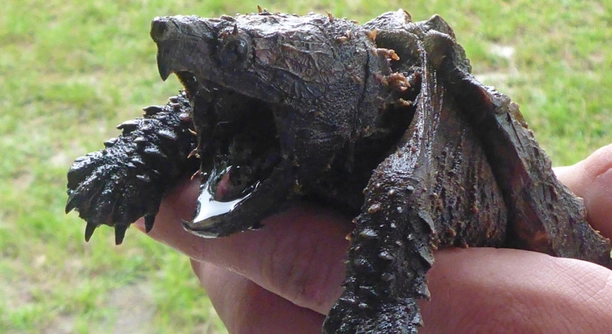
Alligator snapping turtles are fascinating creatures with unique behaviors. If you’ve noticed your turtle digging in its tank, it may be a sign of something important. Understanding this behavior can help you ensure its well-being.
Digging is a natural behavior for alligator snapping turtles. It is often linked to nesting instincts, environmental stress, or even the search for food. Proper tank setup and maintenance can reduce unnecessary digging and help provide a more comfortable environment.
Addressing this behavior may involve understanding its underlying causes and adjusting the turtle’s habitat accordingly. Knowing the reasons behind it will help you create a better environment for your alligator snapping turtle.
Nesting Behavior
Alligator snapping turtles are known for their instinct to dig, especially when it’s time for nesting. Female turtles will dig in their tank to create a safe space for laying eggs. This instinct is so strong that even in captivity, they might attempt to dig as if they were in the wild. If your turtle has access to a substrate, like sand or dirt, they may start digging as part of their nesting behavior. This can happen regardless of whether the turtle is truly gravid (carrying eggs), as the behavior is instinctive.
It’s important to consider the size and depth of the tank substrate. If it’s too shallow or lacks suitable materials, it might not fulfill the turtle’s natural nesting urges. Providing a deeper substrate could help prevent unnecessary digging by allowing the turtle to express this instinct more naturally.
Ensuring your turtle’s tank has a proper nesting area is one way to help reduce excessive digging. If your turtle doesn’t have a place to lay eggs, it could lead to stress or frustration. You might also see them digging more vigorously if they feel they can’t find a comfortable spot to lay. While this behavior is completely natural, creating a more suitable environment can help keep your turtle calm and happy. Adding a nesting box or soft soil can be a good solution.
Stress or Discomfort
Stress can also trigger digging in alligator snapping turtles. Any sudden changes in their environment, such as temperature fluctuations, loud noises, or even new tankmates, can make your turtle feel uneasy. When a turtle feels stressed, it may start digging as a way to relieve tension. It’s a way of creating a sense of security and control.
If your turtle seems to be digging constantly, it’s worth checking for signs of stress. A quiet, stable environment can help reduce the chances of this happening.
Other signs of stress, such as refusal to eat or erratic swimming, could accompany the digging behavior. This might mean it’s time to assess the overall tank conditions. Things like water temperature, filter quality, and lighting should be monitored regularly. If your turtle’s habitat isn’t optimal, it might feel the need to dig more often.
Searching for Food
Turtles often dig as they search for food. In the wild, they will dig through mud and debris to uncover prey. Even in captivity, your alligator snapping turtle may instinctively dig in hopes of finding something to eat. It could be their way of mimicking natural hunting behavior.
If your turtle digs constantly, check if they are getting enough food. A varied diet is essential to their well-being. Sometimes, your turtle may simply be searching for something they feel is missing, even if their food is already provided. Try offering different types of food to see if it satisfies their hunger.
If they continue digging after eating, the issue might be more about instinct rather than hunger. In this case, adjusting the tank setup or adding more stimulating environments, such as plants or hiding spots, might help curb the behavior. This will allow them to act on natural instincts without excessive digging.
Tank Conditions
Improper tank conditions are another reason your alligator snapping turtle may dig. If the water is too warm or cold, or if the tank is too small, your turtle might dig in an attempt to find comfort.
Maintaining the right water temperature is essential for their health. Alligator snapping turtles thrive in water that is between 75-80°F. Too hot or too cold water can stress them out and trigger digging. Make sure the tank size is adequate for your turtle. Overcrowded tanks or ones with too little space may lead to discomfort.
A small tank can also limit the turtle’s ability to explore. Digging could be a way to alleviate boredom or frustration from being confined. Ensuring your turtle has enough room to move around will not only prevent digging but also improve its overall quality of life.
Environmental Enrichment
Lack of environmental enrichment can cause alligator snapping turtles to dig. They need more than just water to thrive—they require a stimulating environment to stay active and happy. Without it, they may resort to digging to relieve boredom.
Consider adding rocks, logs, or plants to the tank. This will encourage your turtle to explore and interact with its surroundings. A well-planted tank or the addition of safe hideaways can make your turtle feel more secure. If the turtle doesn’t have enough to explore, it may dig simply out of habit or frustration.
Health Issues
Sometimes, digging is linked to health problems. If a turtle is feeling unwell or in pain, it might start digging as a way to seek comfort or escape discomfort.
If your turtle is digging excessively and shows other signs of illness, such as lethargy or loss of appetite, it’s time to consult a vet. Some health problems may cause your turtle to behave erratically. Early intervention can help prevent more serious issues from developing.
Temperature Fluctuations
Temperature fluctuations, whether in water or the air, can stress your turtle. These sudden changes often prompt them to dig in an attempt to regulate their environment.
Constantly monitoring and adjusting the water temperature is crucial to keeping your turtle comfortable. If it’s too hot or cold, your turtle will likely start digging as a stress response. A thermometer and heater are essential tools to maintain a stable, comfortable tank environment.
FAQ
Why is my alligator snapping turtle digging so much?
Your alligator snapping turtle might be digging for a variety of reasons. It could be due to natural behaviors like nesting or searching for food. Stress, boredom, or discomfort in their environment can also lead to excessive digging. Make sure the tank is set up properly with the right temperature, substrate, and enrichment to reduce unnecessary digging.
How can I stop my alligator snapping turtle from digging?
To stop your turtle from digging, first make sure their tank conditions are ideal. Check the water temperature, tank size, and whether there is enough substrate for nesting. Adding enriching elements like rocks, plants, and hiding spots will provide mental stimulation and may help reduce excessive digging. If the behavior is linked to stress, try to minimize disturbances around the tank.
Should I add more water to my turtle’s tank if it keeps digging?
Adding more water may help if the water level is too low for your turtle. However, the amount of water isn’t always the main issue when it comes to digging. Alligator snapping turtles can still dig even in deep water, especially if they feel stressed or if the environment lacks enrichment. Ensure that the water temperature is correct and the tank has enough space for your turtle to move around freely.
What type of substrate should I use to reduce digging?
To reduce digging, you should use a natural substrate that mimics your turtle’s natural habitat. Fine sand, soil, or soft, moist coconut fiber are good options. Avoid sharp or coarse substrates that could harm your turtle. The substrate should be deep enough for your turtle to burrow in and feel comfortable, but not too deep to cause stress or difficulty in movement.
Is my alligator snapping turtle unhappy if it’s digging all the time?
Digging itself isn’t necessarily a sign that your turtle is unhappy. It is a natural behavior for them, especially if they are nesting, searching for food, or trying to create a comfortable environment. However, if the digging seems excessive or linked to stress factors, it might be a sign that something in the tank needs adjustment, such as water temperature or space.
Can temperature affect my turtle’s digging behavior?
Yes, temperature plays a crucial role in your turtle’s behavior. If the water is too hot or too cold, it can cause stress and lead to digging. Alligator snapping turtles thrive in water temperatures between 75-80°F. If the temperature fluctuates too much or falls outside of this range, your turtle may dig as a response to the discomfort. Make sure to use a heater and thermometer to maintain a stable environment.
Should I be concerned if my turtle digs but doesn’t lay eggs?
If your turtle is digging but not laying eggs, it’s still normal. Female alligator snapping turtles may dig to prepare for nesting, even if they are not gravid. It’s an instinctual behavior, and as long as there are no other signs of distress, it isn’t something to worry about. However, if the digging becomes excessive or linked to other unusual behaviors, consider evaluating the tank setup or consulting a vet.
Can adding other turtles cause digging?
Yes, adding other turtles to the tank can cause your alligator snapping turtle to dig more, especially if the new tankmates create stress. Turtles are territorial animals and may dig in response to the presence of other turtles. If your turtle seems to be digging more after the introduction of new tankmates, it may be trying to establish territory or alleviate stress.
Is digging a sign that my turtle is hungry?
Digging can sometimes indicate hunger, especially if your turtle is searching for food. In the wild, snapping turtles dig through mud and debris to find prey. If your turtle is digging consistently and seems to be eating less, you may want to examine its feeding routine. Ensure you’re offering a well-balanced diet that meets all of its nutritional needs. However, excessive digging can also be linked to boredom, stress, or other factors, not just hunger.
How can I tell if my turtle is digging due to stress?
If your turtle is digging excessively and showing other signs of distress, such as swimming erratically, refusing food, or hiding, stress might be the cause. Stress could be due to improper tank conditions, such as water temperature fluctuations, overcrowding, or too much noise around the tank. Reducing environmental stressors and providing a more enriching environment could help alleviate the digging.
Final Thoughts
Alligator snapping turtles are fascinating creatures with distinct behaviors, and digging is a natural part of their routine. While it may seem unusual or concerning, digging doesn’t always indicate a problem. It can be related to a variety of factors, such as nesting instincts, searching for food, or even simply expressing natural behavior. Understanding the reasons behind this digging will help you better care for your turtle and create a more comfortable living environment. In most cases, adjusting the tank’s setup or making small changes to the habitat can make a big difference in reducing excessive digging.
The key to preventing unnecessary digging is to ensure your turtle’s environment is well-suited to its needs. Proper tank size, temperature regulation, and a suitable substrate will go a long way in making your turtle feel secure and comfortable. Environmental enrichment, such as adding hiding spots or plants, can also provide stimulation and prevent boredom, which could contribute to digging. Ensuring that the turtle has enough space to move freely will reduce stress and potentially limit unwanted behaviors. Checking for signs of stress or discomfort can help identify if something needs adjusting in their habitat.
If digging persists despite taking these steps, it could be a sign of an underlying issue. It’s important to monitor your turtle for other signs of stress, illness, or discomfort. In such cases, consulting a veterinarian can be helpful to rule out any health problems. Overall, by paying attention to your turtle’s behavior and making sure their habitat meets all their needs, you can help ensure that your alligator snapping turtle stays healthy and happy.

Hello,
If you enjoy the content that we create, please consider saying a "Thank You!" by leaving a tip.
Every little bit helps us continue crafting quality advice that supports the health, happiness, and well-being of pets around the world, for pets of all shapes, sizes, and species.
We really appreciate the kindness and support that you show us!