
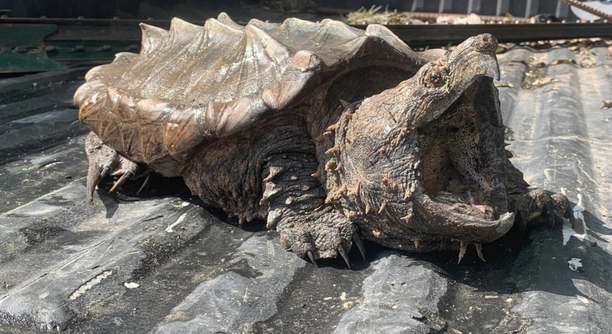
Alligator snapping turtles are fascinating creatures, but their aggressive behavior can sometimes be concerning. Understanding the reasons behind this aggression is important for their care and your safety.
Aggression in alligator snapping turtles can be attributed to various factors, including territorial behavior, hunger, stress, and improper handling. These turtles are naturally solitary and may become defensive when they feel threatened or uncomfortable in their environment.
Knowing the causes behind their aggression can help you provide a safer and more comfortable environment for both you and your turtle.
Territory and Space
Alligator snapping turtles are highly territorial creatures, especially in captivity. In the wild, they defend their space aggressively to ensure access to food and mates. If they feel their space is being invaded or threatened, they are likely to display aggressive behaviors. This territorial nature is a natural survival instinct that becomes more pronounced when they feel confined or crowded. When kept in enclosures that are too small, they may become more irritable and defensive, leading to biting or chasing. It’s important to provide them with a spacious, quiet environment to reduce these behaviors.
Providing enough space allows your turtle to feel secure, decreasing the chances of aggressive behavior. A larger tank or pond mimics their natural habitat and ensures they have room to establish their territory.
The size of their enclosure also plays a role in their overall well-being. Ensuring they have enough space not only reduces aggression but also promotes healthy behaviors like hunting, exploring, and resting. Without this space, they may feel stressed, leading to more frequent outbursts.
Stress and Anxiety
Stress is a significant factor that can trigger aggression in snapping turtles. The stress they experience can result from multiple sources, such as loud noises, movement in their environment, or changes in their routine. It’s important to minimize disruptions, especially when they are settling in. If these turtles are continuously exposed to stressors, they are more likely to exhibit defensive and aggressive behaviors, including snapping or hiding.
Reducing their exposure to stress through a calm, stable environment helps to prevent these reactions. A quieter, less active area reduces anxiety, making the turtle feel more secure and less likely to become aggressive.
Proper care and handling can also alleviate stress. Avoid overhandling them, as this can make them feel threatened. Provide them with a consistent feeding schedule and avoid sudden changes that could disturb their routine. This will help prevent anxiety-related aggression.
Improper Handling
Alligator snapping turtles do not appreciate being handled too much. Frequent touching can stress them out, leading to aggression. When they feel threatened or mishandled, their natural defense mechanism is to snap. This can result in injuries to both the turtle and the person.
Handling them only when necessary and in a calm, gentle manner helps avoid triggering aggressive reactions. When lifting or moving your turtle, always support its body properly to avoid unnecessary stress. It’s important to respect their need for space and minimize physical interaction as much as possible.
The more the turtle feels comfortable in its space, the less likely it is to react aggressively. Always remember, these creatures are solitary and not accustomed to constant human interaction, so handling should be limited to essential care routines, such as feeding or cleaning their habitat. Overhandling can easily turn into stress and aggression.
Hunger and Feeding
An alligator snapping turtle’s aggression can sometimes stem from hunger. These turtles are predators by nature and can become irritable when they are not fed regularly. If they feel their food supply is threatened, they might become defensive.
Make sure you are feeding them the right amount and frequency. This ensures that they do not become aggressive out of hunger. Stick to a regular feeding schedule, and provide enough food that satisfies their needs. Hunger-driven aggression often happens when they are fed inconsistently.
Providing food in a calm, consistent manner reduces food-related stress. Avoid introducing food too close to their enclosure walls, as it can cause anxiety, leading to aggression. With a steady feeding routine, your turtle will feel less threatened and more at ease, preventing these outbursts.
Illness or Injury
Aggression can sometimes be a sign of underlying health issues. If a turtle is feeling unwell or injured, it may become more defensive. This behavior can stem from pain or discomfort that makes them more prone to aggression when approached.
If you notice any unusual signs like a lack of appetite, lethargy, or abnormal behavior, it’s important to get your turtle checked by a veterinarian. Illness and injury can affect their temperament, making them act aggressively to avoid further discomfort.
Turtles in pain will often react more violently to any attempt to handle them. Prompt attention to health issues ensures they can recover and behave more calmly.
Breeding Behavior
Breeding season can trigger aggression in male alligator snapping turtles. During this time, they are more territorial and may show heightened defensive behaviors. Males often become more aggressive as they compete for mates, which can cause them to act out towards other turtles or humans.
Keeping male snapping turtles separate from other turtles during this period can reduce territorial disputes. It’s best to monitor their behavior closely, especially if they are housed with females. These changes are normal, but they can be challenging to manage if not carefully monitored.
Environmental Factors
Changes in the turtle’s environment can lead to stress and aggression. Factors like water temperature, water quality, and lighting affect their well-being. If these conditions fluctuate, your turtle may feel threatened, leading to defensive behavior.
Maintaining a consistent and suitable environment for your turtle is crucial for its comfort. Keep water temperature and quality within the recommended range, and ensure their habitat mimics their natural surroundings. This reduces stress and helps prevent aggression.
FAQ
What is the best way to handle an alligator snapping turtle?
When handling an alligator snapping turtle, it’s crucial to be gentle and minimal in interaction. Support the turtle’s body fully when lifting it, ensuring you avoid its head, which could trigger a defensive response. Only handle the turtle when absolutely necessary, such as for cleaning or medical care. Excessive handling can cause stress, leading to aggression.
How often should I feed my alligator snapping turtle?
Feeding your alligator snapping turtle once every 2-3 days is ideal. They are carnivorous and need a diet that includes a mix of protein sources like fish, worms, and even small mammals. Keep their feeding schedule consistent to avoid aggression due to hunger. Overfeeding can also lead to health issues, so be mindful of portion sizes.
Why is my turtle snapping at me?
Snapping is often a defensive response. If your turtle feels threatened, it may snap as a way to protect itself. This could happen if you invade its space, handle it too much, or try to feed it in a way that causes stress. Keeping your turtle’s environment stable and minimizing handling will reduce this behavior.
Can my alligator snapping turtle live with other turtles?
Alligator snapping turtles are solitary creatures and tend to be aggressive toward other turtles, especially in confined spaces. If you decide to house them with other turtles, make sure the tank is large enough to give each turtle space. Monitor their behavior closely to prevent fights and injuries.
What kind of tank is best for an alligator snapping turtle?
A spacious tank or outdoor pond is the best option for an alligator snapping turtle. Ideally, a tank should be at least 100 gallons for one turtle, with plenty of hiding spots, a basking area, and deep water for swimming. Ensure the water is kept clean and properly filtered to maintain its health.
How can I tell if my turtle is stressed?
Signs of stress in alligator snapping turtles include erratic swimming, hiding more than usual, aggression, or refusal to eat. Stress can also cause them to become more defensive or shy away from interactions. If your turtle exhibits these behaviors, consider adjusting its environment or reducing disturbances around it.
Why does my turtle bite when I try to feed it?
Biting during feeding is often a sign of hunger or territorial behavior. Some turtles may become aggressive when food is introduced, especially if they feel threatened or if they have not been fed properly. Ensure that you are feeding your turtle consistently and avoid approaching it too suddenly during feeding times.
Is it normal for my turtle to be aggressive during mating season?
Yes, aggression during mating season is normal, especially for male alligator snapping turtles. They can become more territorial and defensive as they compete for mates. This behavior can be seen as they become more focused on breeding and less on their usual calm disposition. Separate males from females if needed to reduce aggression during this time.
How can I prevent my snapping turtle from becoming aggressive?
To prevent aggression, ensure your turtle’s environment is spacious, clean, and free of unnecessary disturbances. Limit handling, provide a stable feeding routine, and make sure the water temperature and quality are appropriate. Reducing stressors in its habitat is key to maintaining a calm turtle. Additionally, avoid overcrowding and ensure your turtle has enough hiding spots.
Can alligator snapping turtles be kept as pets?
Yes, alligator snapping turtles can be kept as pets, but they require a lot of care and attention. They need a large, well-maintained habitat, a proper diet, and a stable environment. Due to their aggressive nature and specific care needs, they are best suited for experienced turtle keepers who can meet their requirements.
How long can an alligator snapping turtle live?
Alligator snapping turtles can live for several decades, often reaching ages of 30 to 50 years, with some even living longer in captivity. Providing them with a stable, healthy environment helps them live longer, so it’s important to maintain the right conditions throughout their lifespan.
What should I do if my turtle is sick or injured?
If your turtle is sick or injured, it’s important to consult with a veterinarian who specializes in reptiles. Illness or injury can make them more aggressive due to pain or discomfort. The vet can provide the necessary treatment to ensure your turtle recovers and returns to a more stable state.
Why does my alligator snapping turtle bite the tank walls?
Biting the tank walls can be a sign of frustration, hunger, or a territorial instinct. If your turtle is repeatedly biting at the tank walls, it may be trying to establish its space or searching for food. Make sure its environment is stimulating enough, and check its feeding routine to prevent such behavior.
Can my turtle survive in outdoor ponds?
Yes, alligator snapping turtles can thrive in outdoor ponds, provided the pond is large, clean, and has a suitable environment for them to bask and swim. The water should be deep enough for them to move freely and have hiding spots. Keep in mind, predators and extreme weather can be factors that affect their well-being outdoors.
How do I know if my turtle is aggressive or just curious?
Aggression in alligator snapping turtles is often shown through snapping, hissing, or lunging. Curiosity, on the other hand, may involve the turtle following movement or gently exploring its surroundings. Understanding the difference is key. If the turtle is displaying signs of aggression, it’s best to leave it undisturbed until it calms down.
Final Thoughts
Understanding the reasons behind an alligator snapping turtle’s aggression is crucial for providing the best care possible. These turtles are known for their unique and sometimes defensive behavior, which can stem from factors like health issues, environmental stress, or mating season. By closely monitoring their habitat, diet, and overall well-being, you can prevent many of the situations that cause aggression. Consistent care, attention to their needs, and reducing stressors are key to ensuring that your turtle remains calm and healthy.
Handling your alligator snapping turtle with care and respect is vital. These creatures are naturally solitary and may become stressed if over-handled or placed in stressful environments. It’s important to give them the space they need to thrive. The more closely you observe their behaviors and adjust their living conditions accordingly, the better equipped you’ll be to handle potential aggression. Their behaviors are often a direct response to their environment, so small changes can have a significant impact on their mood and actions.
Finally, keeping an alligator snapping turtle requires patience and a deep understanding of their needs. While aggression is normal at times, knowing how to manage it can make all the difference. By ensuring that their environment is suitable, their health is cared for, and their basic needs are met, your turtle can lead a healthy, less stressful life. Although these turtles can be challenging at times, with the right care and knowledge, they can make fascinating and rewarding pets.

Hello,
If you enjoy the content that we create, please consider saying a "Thank You!" by leaving a tip.
Every little bit helps us continue crafting quality advice that supports the health, happiness, and well-being of pets around the world, for pets of all shapes, sizes, and species.
We really appreciate the kindness and support that you show us!