
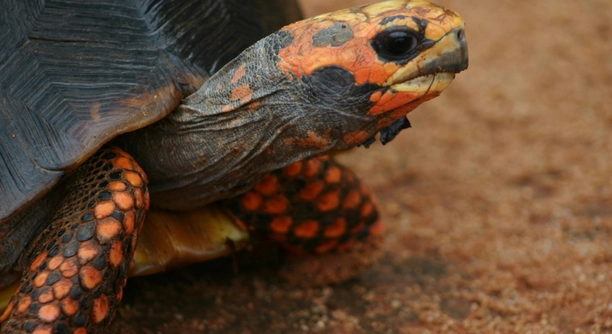
Red-footed tortoises are popular pets, often basking in warm spots to maintain their body temperature. However, at times, they may stop basking altogether. Understanding the causes behind this behavior is crucial for their well-being.
There are several reasons why red-footed tortoises may stop basking. Environmental factors, such as temperature fluctuations or improper lighting, can disrupt their basking habits. Additionally, stress, illness, or improper habitat conditions could contribute to this behavior.
Identifying these factors will help you address the issue and restore your tortoise’s basking routine. By making a few adjustments, you can support your pet’s health and comfort.
Temperature and Lighting Problems
Temperature and lighting are key factors in a red-footed tortoise’s basking habits. These tortoises thrive in warm environments, and if the temperature drops too low or the basking spot isn’t warm enough, they may stop basking altogether. A basking spot should be between 85°F and 95°F for optimal health. If the heat lamp or UVB light is malfunctioning or improperly placed, it can also disrupt your tortoise’s basking behavior. Make sure the light is positioned correctly and is of the right intensity. Additionally, check the overall enclosure temperature to ensure it mimics their natural environment.
A common issue is the placement of the heat source. If the heat lamp is too far from the tortoise, it won’t reach the right temperature. Consider adjusting its position to provide the correct basking conditions.
Your tortoise may need a more consistent temperature to maintain healthy behaviors. Keeping the environment stable with the right lighting and heat will make a noticeable difference in your tortoise’s activity level and overall well-being.
Stress or Discomfort
Stress is another reason red-footed tortoises may stop basking. When they feel threatened or uncomfortable in their habitat, they may retreat into their shell and avoid basking. Stress can come from various sources, including loud noises, other pets, or overcrowding in their enclosure. Another possible factor is an overly humid environment. While these tortoises enjoy some moisture, excessive humidity can cause them to feel overwhelmed. It’s important to provide a quiet, calm environment that doesn’t overstimulate them.
Make sure the habitat is not too crowded, with enough space for your tortoise to move around freely. If possible, reduce the number of disturbances they experience in their environment, including loud sounds and vibrations.
Pay attention to your tortoise’s behavior, as signs of stress may include hiding more often, not eating, or becoming less active. Creating a peaceful, well-maintained habitat can help restore their basking habits.
Illness and Health Issues
If your red-footed tortoise is unwell, it may avoid basking. Illness can cause a lack of energy or a loss of appetite, making your tortoise less interested in spending time under the heat source. Respiratory infections, parasites, or other diseases can also contribute to this change in behavior.
Tortoises suffering from health problems may show signs such as wheezing, lethargy, or disinterest in food. If you notice these symptoms, it’s important to consult a veterinarian who specializes in reptiles. A thorough check-up can help identify the underlying issue and prevent further complications.
Even minor health issues can impact basking behavior. Promptly addressing any signs of illness will help restore your tortoise’s normal habits and prevent the condition from worsening. Ensuring proper veterinary care is key to maintaining your pet’s overall well-being.
Improper Humidity Levels
Humidity levels play a crucial role in the health of a red-footed tortoise. If the humidity is too high or too low, your tortoise may stop basking and retreat to a cooler, more comfortable spot. A balance of 60%-80% humidity is ideal for these tortoises.
To maintain proper humidity, monitor the moisture in their enclosure, especially if you live in a dry or humid climate. You can use a humidity gauge to keep track and make adjustments as necessary. Adding a shallow water dish can help regulate moisture levels.
Excess moisture can lead to respiratory issues or shell problems. On the other hand, too little humidity can cause dehydration, which also affects basking behavior. Proper humidity levels will support your tortoise’s overall comfort and encourage healthy basking habits.
Enclosure Size and Layout
A cramped enclosure can make your red-footed tortoise feel stressed, causing it to avoid basking. Tortoises need plenty of space to roam around, and a limited area can lead to unwanted behavior changes. Ensure your enclosure provides enough room for your tortoise to move freely.
If the enclosure lacks proper hiding spots or shelters, it may cause the tortoise to feel insecure. Adding hiding spots can help provide a sense of safety and encourage basking. A well-structured enclosure with enough space allows for healthy behavior, including basking.
Diet and Nutrition
An improper diet can also affect your tortoise’s behavior. If they’re not getting the right nutrients, they may feel lethargic or uninterested in basking. A diet rich in fresh vegetables, fruits, and some protein is crucial to their health.
A lack of calcium or other vital nutrients can lead to metabolic issues. These can affect the tortoise’s energy levels and willingness to bask. Providing a balanced diet will keep your tortoise healthy and more likely to maintain regular basking behavior.
Temperature Gradients in the Enclosure
The enclosure should have a temperature gradient, meaning a range from cooler areas to warmer ones. Without this, your red-footed tortoise might find the temperature uncomfortable, leading it to stop basking. It’s important to create an environment where your tortoise can regulate its body temperature by moving to warmer or cooler spots.
Ensuring a proper gradient also helps your tortoise’s digestion and immune function. A basking spot that’s too hot or too cold will make your tortoise seek shelter instead of basking. By offering a range of temperatures, you’ll help them feel more comfortable and encourage regular basking.
FAQ
Why is my red-footed tortoise not basking?
There are several reasons why your red-footed tortoise may stop basking. It could be due to improper temperature, humidity levels, stress, or health problems. Tortoises need a specific environment to thrive. If the temperature is too low, they may avoid basking. Similarly, humidity levels that are too high or low can make them uncomfortable. Stress from overcrowding or other pets can also lead to a change in behavior. Always monitor your tortoise’s habitat and look for signs of illness, as these factors could affect its basking habits.
How can I create the perfect basking spot for my tortoise?
To create the perfect basking spot, ensure that the temperature is between 85°F and 95°F. Place a UVB light directly over the basking area to simulate sunlight. The light should be positioned within 12-18 inches of the tortoise to be effective. Use a thermometer to monitor the basking temperature and ensure it remains stable. Make sure there is enough space for the tortoise to move between the warm and cooler areas of the enclosure to regulate its body temperature.
Can stress cause a tortoise to stop basking?
Yes, stress can lead to a red-footed tortoise avoiding basking. Stressful situations like loud noises, being handled too frequently, or a crowded environment can cause them to feel insecure and retreat into their shells. It is important to create a calm, quiet habitat with plenty of hiding spots. Stress management is essential for maintaining their health and encouraging natural behaviors, including basking.
What are the signs of illness in a red-footed tortoise?
Signs of illness in a red-footed tortoise include lethargy, loss of appetite, nasal discharge, wheezing, or abnormal behavior such as hiding more than usual. If you notice any of these symptoms, it is important to consult a veterinarian who specializes in reptiles. Delaying treatment can worsen the condition, so it’s best to address any health issues early.
How often should I check my tortoise’s basking spot?
It is important to check the basking spot regularly, at least once a week. Ensure the heat source is working properly and that the temperature is within the correct range. Also, check that the UVB light is still functioning and replace it as recommended, usually every six months. Regular checks will help maintain the ideal environment for your tortoise and encourage healthy basking habits.
Can I use a heat mat for basking?
While heat mats can provide warmth to the enclosure, they are not the best option for a basking spot. Red-footed tortoises need overhead basking light, which also provides UVB rays for proper metabolism and shell health. Heat mats only provide localized warmth and can be ineffective for basking. Instead, use a heat lamp or ceramic heater for the basking area to mimic natural sunlight.
How do I know if the humidity level is too high or low?
The ideal humidity level for a red-footed tortoise is between 60% and 80%. A hygrometer can be used to monitor the humidity. If the humidity is too high, the enclosure may feel damp, and you may notice excess moisture or mold. On the other hand, if the humidity is too low, your tortoise may show signs of dehydration, such as dry, flaky skin. Adjust humidity levels by adding water dishes or using a misting system to maintain the correct range.
What should I do if my tortoise is not eating?
If your tortoise is not eating, it could be due to stress, illness, or an improper environment. First, check the temperature and humidity in the enclosure. Make sure the diet is appropriate and includes a variety of leafy greens, vegetables, and fruits. If the issue persists, consult a veterinarian to rule out any health problems. In some cases, a tortoise may stop eating when they feel unwell or stressed.
Can I keep other animals with my red-footed tortoise?
Red-footed tortoises should not be kept with other animals in the same enclosure unless they are of a similar species and have compatible needs. Other pets or animals may stress your tortoise or compete for space and resources. Additionally, some animals may harm the tortoise or carry diseases that could affect its health. It is best to house your tortoise alone, with its own space for eating, basking, and resting.
How do I handle my tortoise during cleaning?
When cleaning your red-footed tortoise’s enclosure, it’s best to remove your tortoise and place it in a safe, temporary area. Be gentle when handling it, and avoid holding it for long periods. Tortoises generally don’t like being picked up or carried, so try to limit handling to necessary moments, like during feeding or cleaning. Always wash your hands after handling your tortoise to prevent transferring bacteria.
Can improper diet cause my tortoise to stop basking?
Yes, an improper diet can lead to nutritional deficiencies, which may affect your tortoise’s behavior, including its basking habits. Red-footed tortoises need a balanced diet rich in calcium, fiber, and vitamins. A diet that is too low in nutrients can lead to lethargy or a lack of interest in basking. Make sure your tortoise’s diet includes a variety of leafy greens, fruits, and occasional protein. Consult a reptile expert to ensure the diet meets all nutritional needs.
Final Thoughts
Red-footed tortoises are fascinating creatures that thrive in specific environments. If you notice your tortoise stopping its basking behavior, it’s important to address the possible causes promptly. Environmental factors such as temperature, humidity, and space play a major role in a tortoise’s daily habits. Without the right setup, your tortoise may become stressed, which can affect its health and natural behavior. By ensuring a well-maintained enclosure with proper lighting, temperature gradients, and humidity levels, you can encourage healthy basking and overall well-being.
Equally important is keeping an eye on your tortoise’s diet. A balanced, nutrient-rich diet supports its energy levels and helps it stay active. Providing the right foods ensures your tortoise has the strength and health needed to maintain regular basking habits. Nutritional deficiencies can lead to lethargy and changes in behavior, so paying attention to what they eat is essential. A varied diet consisting of leafy greens, fruits, and some protein will provide the necessary vitamins and minerals to keep your tortoise feeling its best.
Lastly, stress and illness are key factors that can prevent a red-footed tortoise from basking. These tortoises are sensitive to changes in their surroundings, so creating a calm, quiet habitat is crucial. Avoid overcrowding the enclosure or introducing other pets that might cause stress. If your tortoise shows any signs of illness, consult a reptile vet immediately to prevent further complications. Understanding these different aspects will help you care for your tortoise properly and ensure it remains healthy and active for years to come.

Hello,
If you enjoy the content that we create, please consider saying a "Thank You!" by leaving a tip.
Every little bit helps us continue crafting quality advice that supports the health, happiness, and well-being of pets around the world, for pets of all shapes, sizes, and species.
We really appreciate the kindness and support that you show us!