
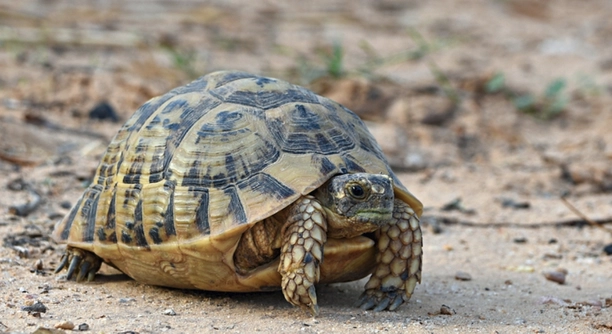
Greek tortoises are fascinating reptiles, but they need daily sunlight to thrive. Ensuring they get enough sunlight is essential for their overall health and well-being. Here’s why it’s important for them to soak up the sun every day.
Daily sunlight is crucial for Greek tortoises as it helps them synthesize vitamin D3, which is vital for proper calcium absorption. Without sufficient exposure, they may develop metabolic bone disease, weakened immune systems, or other health issues.
Understanding the importance of daily sunlight for Greek tortoises can help you create a healthier environment for your pet. Keep reading to learn why sunlight is a key part of their care.
Sunlight Promotes Vitamin D3 Production
Vitamin D3 is essential for Greek tortoises as it helps them absorb calcium. Without sufficient sunlight, they cannot produce enough of this vital vitamin, which leads to weakened bones. This lack of vitamin D3 can result in metabolic bone disease, a common issue among reptiles that doesn’t receive proper UVB exposure. When tortoises don’t get their daily dose of sunlight, they may also suffer from stunted growth and poor overall health. Providing them with direct sunlight or UVB lighting mimics their natural habitat and ensures they remain strong and healthy. Regular sunbathing also encourages natural behaviors, such as digging and foraging, which helps with their overall mental and physical stimulation.
Exposure to UVB light is crucial for Greek tortoises, particularly in regions with colder climates. If outdoor access isn’t possible, ensure your tortoise has access to proper UVB lighting indoors.
Consistent sunlight helps regulate their circadian rhythm, which is important for their sleep patterns and general well-being. A balanced exposure schedule will encourage more natural behavior and prevent health complications.
Supports Healthy Growth and Development
Greek tortoises need sunlight to develop properly. Without it, their growth may slow down, and they may not reach their full potential size. Sunlight helps their metabolism work effectively, promoting strong bone development and muscle growth. The warm rays encourage healthy activity and feeding habits, which are crucial for their development.
Sunlight is also key for proper shell growth. The calcium absorbed from vitamin D3 helps the shell grow strong and hard. A well-formed, healthy shell is vital for the tortoise’s protection. Tortoises without enough sunlight may have soft, deformed shells, making them vulnerable to injury.
By maintaining a consistent routine with sunlight exposure, tortoises are more likely to develop properly. This improves their overall quality of life and keeps them active and healthy for years to come.
Enhances Immune Function
Adequate sunlight exposure strengthens the immune system. Greek tortoises who receive daily sunlight are better equipped to fight off infections and illnesses. UVB rays stimulate the production of vitamin D3, which plays a critical role in immune health. Without this vitamin, their ability to fight off disease decreases.
The sun also helps regulate the tortoise’s internal processes, keeping their metabolism and immune response functioning well. This makes them less susceptible to bacterial or fungal infections. Tortoises that don’t get enough sun are more likely to develop skin problems and respiratory issues.
Maintaining a proper balance of sunlight helps keep your tortoise healthy and vibrant. This is particularly important if the tortoise is living indoors, as they may not be getting enough UVB naturally.
Regulates Behavior and Activity
Sunlight plays a role in regulating your tortoise’s behavior. It encourages activity, feeding, and exploring. Without it, they may become lethargic, losing interest in foraging or moving around. Tortoises naturally bask in the sun, and this behavior helps them stay active and engaged with their environment.
Daily exposure to sunlight promotes natural behaviors like digging and exploring, which are important for mental stimulation. This helps reduce stress and prevent boredom, leading to a healthier and happier tortoise. Lack of sunlight can make them sluggish and cause them to lose interest in these activities.
Prevents Overheating
While sunlight is essential, too much exposure can lead to overheating. Greek tortoises need a balance, as prolonged exposure to direct sunlight without access to shade can cause them to overheat. Overheating can lead to dehydration, heat stress, and other health problems, which can be dangerous.
Providing a shaded area alongside their basking spot ensures they have a choice between warmth and coolness. It’s important to monitor the temperature and adjust the exposure to maintain a safe environment for your tortoise. This ensures they benefit from sunlight without the risks of overheating.
FAQ
How much sunlight does my Greek tortoise need each day?
Greek tortoises need at least 12 hours of sunlight a day. If they’re kept outdoors, direct sunlight for a few hours in the morning or late afternoon is ideal. In colder climates, using a UVB light indoors for about 12-14 hours a day is necessary to mimic natural sunlight. Keep in mind that the intensity of the light should match what they would get in the wild, so you may need to use special UVB lamps designed for reptiles.
Can I use a regular light bulb for my tortoise?
No, regular light bulbs don’t emit the UVB rays that tortoises need. UVB light is crucial for calcium absorption and overall health. Special UVB bulbs are designed for reptiles to ensure they get the correct type of light. These bulbs need to be replaced regularly, as their effectiveness decreases over time, even if the light still appears to be working.
What if I can’t provide sunlight every day?
If daily sunlight exposure is not possible, you can use a combination of artificial UVB lighting and a warm environment to replicate the sun’s effects. However, it’s important to get your tortoise outdoors as often as possible, especially when the weather is warm. Even brief exposure to natural sunlight can be beneficial. Regular check-ups with a vet also help ensure your tortoise is getting the nutrients it needs.
Can I take my Greek tortoise outside in all seasons?
While Greek tortoises can be outside during warmer months, they shouldn’t be outside when it’s too cold. They are not suited to extreme temperatures. If the temperature drops below 50°F (10°C), it’s best to bring them indoors. During colder months, they can be kept inside under a UVB light. Always check the weather conditions and never leave your tortoise outside in unfavorable weather.
How do I know if my tortoise is getting enough sunlight?
Signs of insufficient sunlight in a tortoise include lethargy, poor appetite, and abnormal behavior. They might also show signs of metabolic bone disease, such as soft or deformed shells, which is a clear indication they are not getting enough UVB exposure. If you notice these symptoms, it’s time to check their sunlight exposure and diet.
Is it okay if my Greek tortoise basks in sunlight for hours?
Yes, it’s perfectly fine for your tortoise to bask in sunlight for extended periods, as long as they have access to shade. Greek tortoises naturally bask for several hours in the wild. However, make sure they are not exposed to direct sunlight for too long without the ability to cool off. Overheating can lead to serious health problems.
What should I do if my tortoise isn’t eating after being outside in the sun?
If your tortoise isn’t eating after exposure to sunlight, it could be a sign of stress, illness, or a problem with their environment. Ensure that they have access to food in a quiet and calm area. If they continue to refuse food or show other signs of illness, consult with a veterinarian. It’s important to make sure their basking environment is safe, and that they are not feeling threatened or overwhelmed.
Can I use a heat lamp instead of a UVB light?
A heat lamp and a UVB light serve different purposes. A heat lamp provides warmth, while a UVB light helps with the synthesis of vitamin D3, essential for calcium absorption. It’s best to use both in combination for optimal health. If you live in a colder climate, UVB and heat lamps can be used indoors to create a natural environment for your tortoise.
How often should I replace the UVB light?
UVB lights lose their effectiveness over time, even if they still emit visible light. It’s recommended to replace UVB bulbs every 6 to 12 months, depending on the type and brand of the light. Check the manufacturer’s instructions for the recommended replacement time. Regularly testing the UVB output with a UV meter ensures that your tortoise is getting enough exposure.
Can I let my tortoise roam free in the yard for sunlight?
Yes, allowing your Greek tortoise to roam in a secure, safe outdoor area is great for their health. Just make sure the yard is escape-proof, free of predators, and has plenty of hiding spots for shade. If they’re left unsupervised for long periods, they may wander off or get into dangerous situations. Always keep an eye on them while they’re outside.
How can I tell if my tortoise is overheated?
If your Greek tortoise becomes overheated, they might show signs such as excessive panting, drooling, or becoming very sluggish. Their eyes may appear glassy or they may hide in a corner. If you notice these signs, remove them from the heat immediately and place them in a cool, shaded area. Overheating can lead to serious health problems, so be proactive in monitoring their temperature.
Should I use natural sunlight or artificial UVB light?
Both natural sunlight and artificial UVB light are beneficial, but natural sunlight is always the best option. However, if you live in a region where outdoor exposure is limited, using artificial UVB lighting is necessary. A combination of both is ideal, as it gives your tortoise the best chance to thrive.
Final Thoughts
Providing daily sunlight to your Greek tortoise is essential for their overall health and well-being. Sunlight helps regulate their behavior, promotes healthy digestion, and supports essential bodily functions like calcium absorption. Without adequate exposure to UVB rays, tortoises can develop metabolic bone disease and other health issues. Ensuring they have access to sunlight or UVB lighting will keep them active and engaged in their environment. It’s important to recreate the natural conditions they would experience in the wild to provide the best care.
While sunlight is crucial, balance is key. Overexposure can lead to overheating and dehydration, which can be harmful. Make sure your tortoise has access to both sunny spots and shaded areas to regulate their body temperature. Regularly monitor the temperature and their behavior to ensure they are not getting too hot. A proper enclosure with enough space to move between sun and shade will provide them with a safe environment. If outdoor sunlight is unavailable, using UVB lights indoors will help simulate natural sunlight.
Taking care of a Greek tortoise means being mindful of their environmental needs. Daily sunlight or proper UVB lighting, along with a balanced diet and proper temperature, will promote long-term health. It’s important to observe their behavior and check for any signs of health issues. Ensuring they get enough sunlight, especially in the winter months, will help them live a long and healthy life. Providing the best care means understanding and meeting their needs every day.

Hello,
If you enjoy the content that we create, please consider saying a "Thank You!" by leaving a tip.
Every little bit helps us continue crafting quality advice that supports the health, happiness, and well-being of pets around the world, for pets of all shapes, sizes, and species.
We really appreciate the kindness and support that you show us!