
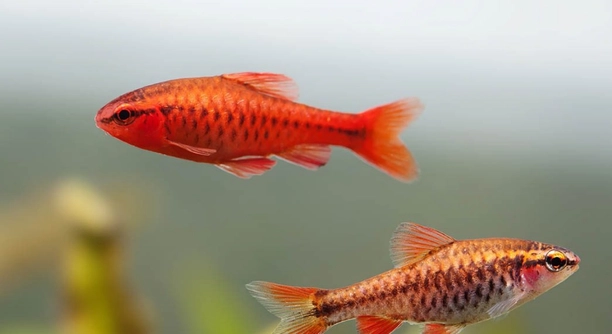
Cherry barbs are a popular choice among aquarium enthusiasts due to their vibrant colors and peaceful nature. However, there are times when they can become aggressive. Understanding why this happens can help in managing their behavior.
Cherry barbs tend to become aggressive primarily due to factors such as territorial disputes, overcrowding, stress, and inadequate tank conditions. These stressors trigger a defense mechanism, leading to aggression toward other fish or even fellow cherry barbs.
By learning what triggers aggression, you can better prevent it and ensure a peaceful aquarium environment. Keep reading to explore the key factors that lead to this behavior.
Territorial Disputes
Cherry barbs are naturally territorial, especially when they feel their space is being invaded. In the wild, they establish boundaries to protect their environment and resources. This instinct often carries over into an aquarium setting, where males may become more aggressive towards each other when defending their space.
When multiple males are housed in a small tank, competition for territory increases, leading to more aggression. Cherry barbs will chase, nip, and sometimes even bully each other to establish dominance. It’s essential to provide enough space for each fish to have its own territory. Adding plants, decorations, and hiding spots can help create natural boundaries within the tank.
To reduce territorial disputes, ensure the tank is large enough and consider having a group of cherry barbs instead of just one or two. This reduces the likelihood of any single fish becoming overly dominant. This approach provides better social dynamics and minimizes aggression overall.
Overcrowding and Stress
Stress from overcrowding can cause a significant increase in aggressive behavior. When too many fish are in a small space, the stress levels of all the fish rise, leading to more conflict and aggressive actions.
Overcrowding can cause physical strain on the fish and disrupt their social behavior. When cherry barbs feel crowded, they may begin to fight for space and resources, such as food and hiding spots. In these situations, aggression becomes a survival mechanism.
To maintain a balanced environment, it’s crucial to avoid overcrowding by adhering to recommended stocking levels for your tank size. Ensuring there is enough swimming space for each fish promotes a calmer, healthier environment. A well-maintained tank, free of excessive numbers, will encourage cherry barbs to display their natural, peaceful behaviors.
Poor Tank Conditions
Poor water quality can be a major trigger for aggression in cherry barbs. If the water is too warm, dirty, or lacks essential nutrients, the fish will feel stressed, leading to territorial behavior. Regular tank maintenance and proper filtration can help reduce aggression.
Cherry barbs require stable water conditions, including a temperature range of 74-79°F, a pH level between 6.5 and 7.5, and soft to moderately hard water. Any fluctuation in these conditions can cause stress, making the fish more likely to act aggressively. Maintaining optimal conditions will help your cherry barbs feel secure and less likely to fight.
Inadequate water conditions also affect their health, making them more vulnerable to disease. Regular water changes, testing water parameters, and using a good filter can keep the tank clean and safe. Creating a stable environment reduces stress and improves overall fish well-being.
Lack of Proper Diet
A poor diet can contribute to aggression in cherry barbs. When fish don’t receive the right nutrients, they may become more irritable and defensive. Ensuring they have a varied diet is essential to avoid behavioral problems.
Cherry barbs are omnivores and benefit from a balanced diet that includes high-quality pellets, flakes, and occasional live or frozen foods. Without the proper nutrition, their aggression may increase as they compete for food. Additionally, a lack of proper food can lead to poor health, which can also trigger more aggressive behaviors.
Feeding your cherry barbs properly ensures they stay healthy and reduces the likelihood of aggression. A nutritious diet supports their immune system, improves their physical appearance, and keeps them calm. Regular feeding and the right food can make a noticeable difference in their behavior.
Incompatible Tank Mates
Aggression often arises when cherry barbs are housed with incompatible tank mates. Some species, especially those with more dominant or aggressive behavior, may provoke cherry barbs into defending themselves. Choosing peaceful fish to share a tank can prevent this.
It’s best to avoid keeping cherry barbs with overly aggressive fish like cichlids or other territorial species. These types can stress cherry barbs, triggering them to become aggressive in return. Opting for calm community fish that won’t threaten their space helps maintain peace in the tank.
The key to a peaceful aquarium is understanding the behavior of each species and ensuring all the fish are compatible. This allows for a stress-free environment where aggression is less likely to occur.
Breeding Behavior
During breeding, cherry barbs can become more territorial and aggressive. The presence of eggs and the need to protect them can make males more defensive, leading to increased fighting. Breeding conditions need to be carefully managed.
Providing plenty of plants, rocks, or hiding spaces during breeding can help reduce aggression by allowing the fish to retreat when needed. It’s also essential to have a ratio of one male for every two to three females to minimize the competition between males. During this time, keeping the tank calm and avoiding disturbance is crucial.
Environmental Enrichment
Cherry barbs need stimulation to stay active and happy. A lack of enrichment can lead to boredom and stress, which often triggers aggression. By adding plants, decorations, and hiding spots, you can reduce this behavior.
Creating an environment that encourages natural foraging and exploration keeps your cherry barbs engaged. They are more likely to show peaceful behaviors when they have spaces to hide and explore. Adding variety in the tank setup, including floating plants or caves, helps prevent frustration and reduces aggression.
FAQ
What is the ideal tank size for cherry barbs?
A 20-gallon tank is the minimum recommended size for a small group of cherry barbs. A larger tank will help reduce aggression, as it provides more space for them to establish territories. A tank that is too small can create stress, which leads to territorial behavior. More space allows each fish to find a comfortable area, reducing the likelihood of conflicts.
How many cherry barbs should I keep together?
Cherry barbs are social fish, and it’s best to keep them in groups of at least six. A larger group helps spread out any aggression and encourages natural school behavior. If kept in smaller numbers, they may become more aggressive as they try to establish dominance. A balanced group helps to reduce territorial disputes, making for a peaceful environment.
What are the signs of stress in cherry barbs?
Signs of stress in cherry barbs include faded colors, erratic swimming, and hiding more often than usual. Stressed fish may also stop eating or display aggression towards other tank mates. If you notice these signs, it’s important to assess their environment for potential issues like water quality, tank size, or tank mates that may be causing stress.
Can cherry barbs live with other species?
Cherry barbs can live peacefully with other species, but it’s important to choose non-aggressive tank mates. Avoid keeping them with overly territorial fish, such as cichlids, as this can provoke aggression. Peaceful species like tetras, guppies, or rasboras are suitable companions. Always consider the temperament and size of the fish you want to add to the tank.
How can I reduce aggression among cherry barbs?
To reduce aggression, ensure that the tank is large enough for the number of fish you have. Providing plenty of hiding spots, plants, and decorations helps create territorial boundaries, which reduces competition. Additionally, keeping a proper male-to-female ratio and offering a balanced diet can minimize aggression. Regular maintenance of water conditions and avoiding overcrowding also plays a significant role in creating a calm environment.
Why do male cherry barbs fight each other?
Male cherry barbs fight each other primarily due to territorial disputes and competition for mates. This is especially common when there are not enough females in the tank. Males will display aggressive behaviors like chasing or fin nipping to establish dominance. Providing more females and space can reduce this aggression.
How can I tell if my cherry barb is unhappy?
An unhappy cherry barb may display poor coloration, swim erratically, or spend excessive time hiding. A change in behavior, such as avoiding food or fighting with other fish, can also be signs of unhappiness. Regularly check the water quality and make sure the fish have enough space and appropriate tank mates to help improve their well-being.
Do cherry barbs need specific water conditions?
Yes, cherry barbs thrive in stable water conditions. They prefer a temperature range of 74-79°F, a pH level between 6.5 and 7.5, and moderately soft to hard water. Regular water changes and a good filtration system are essential to maintain these conditions. Fluctuations in temperature or poor water quality can cause stress and lead to aggressive behavior.
Can cherry barbs be kept with shrimp or snails?
Cherry barbs are generally peaceful with shrimp and snails, but they may nip at small shrimp, especially if they feel stressed or hungry. Larger snails are usually safe to keep with them, as they are not considered prey. However, always monitor interactions, as individual fish may have varying levels of tolerance.
Are cherry barbs difficult to breed?
Breeding cherry barbs is not particularly difficult, but it requires proper tank conditions. A separate breeding tank with soft water and a temperature of around 78°F encourages spawning. Providing fine-leaved plants for the females to lay eggs and removing the adults after spawning can help protect the eggs. Once the eggs hatch, the fry should be fed small food particles until they grow large enough to eat regular fish food.
Final Thoughts
Cherry barbs are relatively peaceful and easy-to-care-for fish, making them a popular choice for many aquarium owners. However, they can display aggressive behavior under certain conditions, such as poor tank setup, unsuitable tank mates, or stress caused by water quality issues. By understanding these triggers, you can reduce aggression and create a peaceful environment for your cherry barbs to thrive in.
Maintaining a stable and clean environment is essential for the well-being of your cherry barbs. Regular water changes, appropriate filtration, and maintaining the right temperature and pH levels will keep them healthy and minimize stress. Additionally, ensuring that the tank has plenty of hiding spots, plants, and decorations can help create a comfortable space for all fish, reducing territorial behavior. The key to keeping your cherry barbs calm and happy is providing a stress-free and secure environment where they can live peacefully with their tank mates.
Lastly, while aggression is a natural part of fish behavior, it can often be managed with proper care and attention to their needs. By avoiding overcrowding, choosing compatible tank mates, and offering a well-balanced diet, you can prevent most issues that lead to aggression. Regular monitoring of your fish’s behavior and water conditions can ensure that your cherry barbs stay healthy and peaceful for years to come.

Hello,
If you enjoy the content that we create, please consider saying a "Thank You!" by leaving a tip.
Every little bit helps us continue crafting quality advice that supports the health, happiness, and well-being of pets around the world, for pets of all shapes, sizes, and species.
We really appreciate the kindness and support that you show us!