
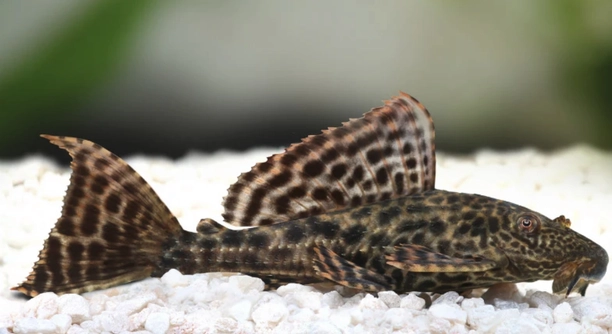
Soft water is important for many aquatic creatures, including plecostomus. These fish are sensitive to water conditions, and ensuring the right environment helps maintain their health and comfort. Proper water care is essential for optimal fish care.
Softening water for your plecostomus reduces the risk of stress, which can affect their growth and overall health. It also supports better nutrient absorption and prevents issues related to high mineral content, such as scale buildup and poor water quality.
Understanding the benefits of soft water will help ensure your plecostomus thrives in a suitable environment. Continue reading to learn more about the reasons why softening water is essential for their well-being.
Soft Water Reduces Stress
Plecostomus are sensitive to changes in water quality, especially when the hardness level is too high. Hard water contains minerals like calcium and magnesium that can be tough for these fish to process. When plecostomus are exposed to hard water, they may become stressed, which can lead to health issues such as weakened immune systems. Soft water, on the other hand, helps ease the strain on their bodies, providing a more comfortable living environment.
For plecostomus, stress is a significant factor that impacts their overall health. The soft water helps to prevent undue strain, allowing them to thrive. By maintaining the right water softness, you improve their quality of life.
Creating a soft water environment requires the right balance of minerals in the water. To soften water, using deionizers or reverse osmosis filters is an effective method. These systems help filter out excess minerals, making the water more suitable for sensitive fish like plecostomus. Maintaining optimal water quality will reduce stress levels and ensure a longer, healthier life for your fish.
Prevents Mineral Buildup
The minerals in hard water can cause unsightly scale buildup on plecostomus and aquarium surfaces. This buildup can interfere with their breathing and cause other health complications.
Regularly softening the water helps prevent this mineral buildup, maintaining a cleaner tank. It also allows plecostomus to function normally, without the added burden of excessive mineral content that could harm them in the long run. Soft water promotes better health, making it essential for their well-being.
Promotes Better Nutrient Absorption
Hard water can make it more difficult for plecostomus to absorb nutrients from their food. The high mineral content in hard water can block essential nutrients from being properly absorbed into their systems. Softening the water can reduce this interference, ensuring your fish get the most out of their diet.
When water is soft, it allows plecostomus to process nutrients more efficiently. This can lead to better growth, improved coloration, and an overall stronger immune system. Soft water essentially supports their biological functions by making it easier for their bodies to take in necessary vitamins and minerals.
Providing soft water also helps prevent nutrient imbalances. Without excess minerals to contend with, plecostomus can focus on processing the nutrients they truly need, which helps to maintain their health. With soft water, your fish have a better chance of thriving in their environment.
Supports Healthy Gills and Skin
Hard water can irritate the gills and skin of plecostomus, making it harder for them to breathe and function. Soft water provides a gentler environment, helping to maintain the natural integrity of their gills and skin. This is crucial for preventing respiratory issues and promoting healthy bodily functions.
By softening the water, you reduce the risk of irritation caused by high mineral concentrations. Soft water helps maintain smooth, healthy skin and allows plecostomus to breathe properly. It also supports their natural slime coating, which protects them from harmful bacteria and infections.
In an aquarium with hard water, plecostomus may start showing signs of stress, including rapid gill movement and poor skin condition. By addressing water hardness, you ensure they have a stable, safe environment that supports proper gill and skin function. Soft water plays a key role in keeping them healthy and stress-free.
Enhances Fish Activity
When plecostomus live in soft water, they tend to be more active and engaged. The reduced stress levels make it easier for them to swim around and explore their environment. This increase in activity can lead to healthier fish.
In hard water, plecostomus may exhibit sluggishness or reduced movement. This is often a sign of stress or discomfort. By softening the water, you help promote a more natural and active behavior in your fish. They will feel more comfortable moving around and interacting with their surroundings.
The increased activity benefits both the plecostomus and the overall aquarium environment. Active fish help create a balanced and lively tank. Soft water is a simple yet effective way to boost their energy levels and quality of life.
Reduces the Risk of Disease
Hard water can lead to health issues such as skin irritation or fungal infections in plecostomus. The stress caused by tough water conditions weakens their immune systems, making them more susceptible to diseases.
By maintaining soft water, you create a more stable and comfortable environment, which helps strengthen the fish’s natural defenses. Soft water supports overall health, reducing the risk of infection and disease.
Keeping your plecostomus in soft water also makes it easier to manage other tank conditions. Healthier fish are better able to cope with changes in water quality, minimizing the chances of illness.
FAQ
What is the ideal water hardness for plecostomus?
Plecostomus prefer soft to moderately soft water with a hardness range of 3 to 10 dGH. This range ensures they can thrive without the stress that comes from high mineral content. Soft water allows them to absorb nutrients effectively, which contributes to their overall health.
Can I use tap water for my plecostomus tank?
You can use tap water, but it depends on the mineral content. If your tap water is hard, it may need to be softened. Testing the water’s hardness with a kit will help you determine if you need to adjust the water before adding your plecostomus. Using a water conditioner can help manage the hardness if needed.
How can I soften my aquarium water?
To soften aquarium water, you can use reverse osmosis filters, which remove most minerals. Alternatively, adding peat moss to the filter can help lower water hardness by releasing tannins. Softening the water in your tank ensures the plecostomus are comfortable and healthy.
Is it safe to use a water softener for plecostomus?
Water softeners designed for household use may not be suitable for aquariums. These softeners typically replace calcium and magnesium with sodium, which can harm fish. Instead, use aquarium-specific products like RO filters or deionization systems that properly soften water without adding harmful chemicals.
How often should I test the water in my plecostomus tank?
Testing your aquarium water at least once a week is recommended, especially if you’re adjusting the water hardness. Regular testing helps ensure that the water quality remains stable. You should also test for ammonia, nitrite, and nitrate levels to ensure a healthy environment for your fish.
Can plecostomus tolerate slightly harder water?
Plecostomus can tolerate slightly harder water, but it’s best to keep it within the ideal range for optimal health. If the water hardness exceeds the recommended level, you may notice your fish becoming less active or developing health problems. It’s important to monitor them regularly.
What happens if I don’t soften the water for my plecostomus?
If the water is too hard, your plecostomus may become stressed. Hard water makes it harder for them to absorb nutrients, leading to poor growth, weakened immune systems, and overall poor health. It may also cause mineral buildup on their skin, affecting their breathing and comfort.
Do I need to change the water when softening it?
Yes, water changes are necessary when softening the water. Regular water changes help maintain consistent water quality and remove any excess minerals that might accumulate. This also keeps the environment stable for your plecostomus, ensuring they’re living in optimal conditions.
Can I use a water conditioner to soften water for plecostomus?
Yes, water conditioners can help soften water by removing minerals like calcium and magnesium. However, they should be used carefully and in the right quantities to avoid disrupting the tank’s ecosystem. Always follow the instructions on the product to avoid harming your plecostomus.
How does soft water affect plecostomus behavior?
In soft water, plecostomus tend to be more active and engage more with their environment. The reduced stress allows them to thrive and exhibit natural behaviors like swimming and exploring. This can lead to improved overall health and longevity.
How do I know if my plecostomus is stressed from hard water?
Signs of stress include rapid gill movement, lethargy, and reduced appetite. If your plecostomus is spending more time hiding or not interacting with its environment, it may be struggling with the water hardness. In such cases, softening the water should help alleviate the stress.
Can I add other fish to the tank with soft water?
Yes, many freshwater fish species prefer soft water conditions. Fish like tetras, discus, and angelfish also thrive in similar water conditions. However, it’s important to check the specific needs of each species to ensure they are compatible with your plecostomus and its water requirements.
How long does it take to soften aquarium water?
The time it takes to soften aquarium water depends on the method you use. Reverse osmosis systems work quickly, while methods like using peat moss can take a few days to show results. It’s important to monitor the water quality as it softens to ensure it’s stable.
Should I adjust the water hardness slowly or quickly for plecostomus?
Water hardness should always be adjusted gradually to avoid shocking your plecostomus. Sudden changes in water chemistry can cause stress and health problems. Slowly adjusting the water hardness over several days or weeks will give your fish time to adapt to the new environment.
Is bottled water safe for plecostomus?
Bottled water is generally not a good option unless it’s specifically designed for aquarium use. Many bottled waters contain added minerals that may make the water too hard for your plecostomus. It’s best to use tap water, filtered water, or water specifically prepared for aquarium conditions.
Can I use aquarium salt to soften water?
Aquarium salt does not soften water. Instead, it is used to help with osmoregulation and prevent disease. If you’re looking to soften water, consider using a reverse osmosis filter or deionizer to effectively reduce mineral content without affecting the overall health of your plecostomus.
How can I ensure my plecostomus stays healthy in soft water?
Maintaining soft water is just one aspect of caring for your plecostomus. Regular water changes, proper filtration, and a balanced diet are also essential. Make sure the water temperature and pH levels are suitable for plecostomus, and monitor for any signs of distress.
Final Thoughts
Softening the water in your aquarium can significantly benefit your plecostomus. By reducing the hardness of the water, you can create a more comfortable environment that encourages natural behaviors, such as increased activity and exploration. This adjustment leads to a healthier fish, as soft water helps prevent stress and improves the fish’s overall well-being. Whether you use a reverse osmosis system or natural methods like peat moss, softening the water is an easy step to enhance your plecostomus’s quality of life.
However, softening water is just one part of the equation. Maintaining proper water conditions involves more than just adjusting the hardness. Regular water changes, monitoring the temperature and pH levels, and ensuring proper filtration all contribute to creating a balanced and thriving environment. These factors work together to keep your plecostomus healthy, reducing the likelihood of diseases and improving their longevity. It’s important to stay consistent with these practices to prevent issues from arising in the future.
In the end, softening water for your plecostomus may seem like a small change, but it can have a big impact on their health and happiness. Fish are sensitive to their environment, and providing them with the right conditions helps them thrive. Taking the time to adjust the water, test it regularly, and keep other aspects of the tank in check will ensure that your plecostomus remains active, healthy, and comfortable for years to come.

Hello,
If you enjoy the content that we create, please consider saying a "Thank You!" by leaving a tip.
Every little bit helps us continue crafting quality advice that supports the health, happiness, and well-being of pets around the world, for pets of all shapes, sizes, and species.
We really appreciate the kindness and support that you show us!