
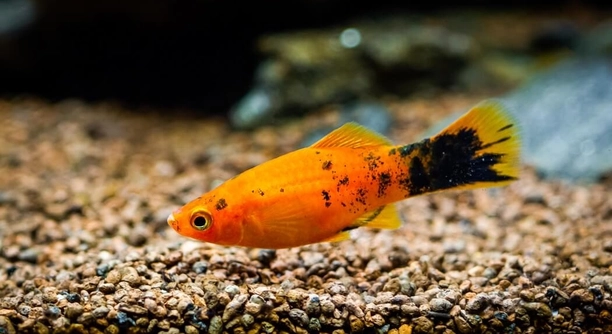
Many aquarium enthusiasts enjoy keeping platies because they are colorful and easy to care for. Watching platy fry grow is rewarding, but knowing when to separate them can make a big difference in their survival and health. This article explains why early separation matters.
Separating platy fry early reduces competition for food, limits aggression, and lowers the risk of disease transmission. Early separation also prevents the fry from being eaten by adult fish and promotes healthier growth by providing a safer environment.
These reasons highlight the importance of early action for your platy fry’s well-being. Understanding the benefits can improve their chances of thriving in your aquarium.
Reducing Competition for Food
When platy fry remain with adult fish too long, they often struggle to get enough food. Adult platies are faster and more aggressive feeders, which means fry can be pushed aside or miss meals. This leads to slower growth and weaker fry overall. Separating fry early ensures they have better access to food suited to their needs, such as finely crushed flakes or specialized fry food. Proper nutrition during this stage is essential for healthy development and stronger immune systems. If fry are forced to compete constantly, they may become stunted or more vulnerable to disease. Creating a separate space lets the fry eat without stress or interruption, supporting steady growth. This also helps avoid waste buildup from uneaten food, which can harm water quality. Keeping fry well-fed in a clean, calm environment makes a significant difference in their survival rate.
Providing fry their own feeding area improves health and growth, reducing stress and food competition among young fish.
Separating fry from adults also makes feeding routines easier to manage. You can offer smaller, more frequent meals tailored to fry needs without worrying about adults eating everything first. This controlled feeding reduces waste and water pollution, creating a healthier tank overall. A dedicated fry tank or breeding box allows careful monitoring of fry progress, making it simpler to spot any issues early. In a well-managed setup, fry develop quicker and are less likely to become prey. Over time, they grow into strong, active fish ready to join the main aquarium. Early separation is a simple step that supports their wellbeing and helps you maintain a balanced, thriving tank.
Limiting Aggression and Predation
Adult platies may show aggressive behavior toward fry, especially during feeding or breeding. This aggression can cause injury or death to the young fish if they are kept together too long. Separating fry early protects them from harm and reduces stress.
Aggressive adults often nip fins or chase fry away, which weakens the young and disrupts their growth. Fry that face constant threats tend to hide more and eat less, increasing their vulnerability. Early separation also prevents accidental predation, where adults may eat their own young despite good care. Using a separate tank or breeding net gives fry a safe space to grow without fear. This also helps maintain peaceful tank dynamics, as adult fish won’t be distracted by chasing fry. Overall, limiting aggression is crucial to raising healthy, happy platy fry ready for the main aquarium when they are bigger and stronger.
Lowering Disease Transmission
Separating platy fry early reduces the risk of disease spreading from adult fish to the young. Fry have weaker immune systems and are more vulnerable to infections.
Diseases such as ich or fin rot can easily spread in crowded tanks. Adult fish may carry pathogens without showing symptoms but still infect fry. Keeping fry apart from adults lowers the chance of exposure to harmful bacteria and parasites. It also allows for easier observation of any signs of illness. Treating a smaller, separate group helps prevent outbreaks and keeps the entire aquarium healthier.
A dedicated fry tank can be cleaned and maintained with more care, reducing disease risks. This controlled environment supports stronger, healthier fry growth, giving them a better chance to mature safely.
Promoting Healthier Growth
Early separation provides fry with optimal conditions for growth. They have more space to swim and develop without stress from adults or overcrowding.
With less competition and safer surroundings, fry can grow faster and reach maturity more quickly. It is easier to regulate water quality and temperature in a smaller, dedicated area, which benefits their health. Providing suitable food and maintaining cleanliness ensures fry receive proper nutrition and avoid harmful toxins. Fry tanks also help prevent injuries caused by chasing or nipping from adult fish. When fry are separated early, they develop stronger bodies and better immune systems, preparing them well for life in the main tank. This careful care during early stages improves their survival rates and overall well-being.
Preventing Overcrowding
Separating platy fry early helps prevent overcrowding in the main tank. Overcrowded tanks cause stress and poor water quality, which can harm all fish.
Keeping fry in a separate space allows better control over population size and improves overall tank health.
Easier Monitoring and Care
With fry separated, it becomes easier to track their growth and health. Early detection of problems like illness or poor development is possible, allowing timely care. Monitoring feeding habits and behavior helps adjust conditions to support their well-being effectively.
Reducing Stress for Adult Fish
Adult platies experience less stress when fry are separated. Without fry competing or crowding, adults maintain a calmer, more stable environment. This balance supports healthier fish and a more peaceful aquarium.
FAQ
How soon should I separate platy fry?
Platy fry should be separated as soon as they become free-swimming, usually within 24 to 48 hours after birth. At this stage, they are more active and ready to feed but still small and vulnerable to adult fish. Early separation gives them a safer start.
What is the best method to separate fry?
Using a breeding box, a separate fry tank, or a fine mesh divider works well. These options keep fry safe while allowing water flow and visibility. Choose a method that fits your tank size and setup for easy maintenance.
Can fry stay with adult platies if the tank is large?
Even in a large tank, adult platies may still harm or outcompete fry for food. Separation is recommended regardless of tank size to ensure fry safety and proper growth.
What should I feed platy fry after separation?
Feed fry small, frequent meals of finely crushed flakes, specialized fry food, or baby brine shrimp. These provide essential nutrients in a size they can easily consume and digest.
How often should I feed platy fry?
Feed fry three to four times a day in small amounts. Frequent feeding supports their rapid growth but avoid overfeeding, which can pollute the water and harm their health.
How long do platy fry need to stay separated?
Keep fry separated until they are large enough to avoid predation and compete with adults, usually around 6 to 8 weeks. At this point, they are more resilient and ready to join the main tank.
Can separating fry affect their social behavior?
Fry develop social skills over time, but brief separation does not negatively impact them. It protects them during their weakest phase, and once returned, they quickly adapt to the community.
What water conditions are ideal for platy fry?
Maintain clean, warm water between 72°F and 78°F with a pH around 7.0 to 8.0. Regular water changes and gentle filtration help provide a stable environment essential for healthy fry development.
Is it necessary to use a heater in the fry tank?
Yes, a heater helps keep the water temperature steady within the ideal range. Consistent warmth encourages growth and prevents stress or illness in the fry.
How do I prevent fungus or disease in fry tanks?
Keep the fry tank clean with regular water changes and avoid overcrowding. Use a sponge filter to maintain gentle water flow and avoid sudden temperature changes to reduce disease risk.
Can fry survive without separation if I have plenty of hiding spots?
Hiding spots help, but they don’t fully protect fry from adult aggression or competition. Separation is the safest way to improve fry survival and growth.
Should I use medication in the fry tank?
Medication should only be used when necessary and carefully chosen to avoid harming fry. Preventive care, good water quality, and separation reduce the need for medicines.
What signs show fry are not doing well?
Watch for slow growth, lack of appetite, discoloration, or lethargy. Early detection allows prompt action to improve conditions or treat illness.
Can I keep multiple batches of fry in one tank?
It’s possible but not ideal. Mixing batches increases competition and stress. Separate tanks or containers for each batch improve survival and growth rates.
How often should I clean the fry tank?
Perform partial water changes of about 20-30% twice a week. Remove uneaten food and waste carefully to maintain water quality without disturbing the fry too much.
When can I introduce fry back to the main tank?
Once fry are large enough to avoid being eaten and can compete for food, usually after 6 to 8 weeks, they can be gradually introduced to the main tank. Monitor them closely after introduction.
Are there any risks to separating fry too early?
The main risk is causing stress if conditions are not ideal. Ensure the fry tank has stable water parameters, adequate food, and gentle filtration to minimize stress.
How do I acclimate fry to the main tank after separation?
Slowly introduce tank water into the fry container over several hours to adjust them to new conditions. Then, carefully release fry into the main tank to avoid sudden changes that cause shock.
Can I use plants in the fry tank?
Yes, live or artificial plants provide hiding places and reduce stress. They also help improve water quality and create a natural environment for fry.
What’s the best filtration for a fry tank?
A sponge filter is ideal because it provides gentle filtration without sucking up fry. It also supports beneficial bacteria important for water quality.
How important is water flow for fry tanks?
Moderate water flow helps maintain oxygen levels and removes waste. Too strong a current can stress or harm fry, so adjust flow carefully.
Is it necessary to quarantine fry before adding to the main tank?
Quarantine is useful if the fry come from a different source or show signs of illness. Healthy fry raised separately usually don’t need quarantine if introduced carefully.
How do I manage tank mates when fry join the main aquarium?
Introduce fry during feeding time to distract adults. Provide plenty of plants and hiding spots. Monitor interactions and be ready to separate fry if aggression occurs.
What is the survival rate of platy fry with early separation?
Early separation significantly improves survival rates, often doubling the number of fry that reach maturity compared to fry kept with adults.
Can I breed platies without separating the fry?
It’s possible but less successful. Without separation, many fry get eaten or fail to grow properly, reducing the number of healthy juveniles.
How do I identify platy fry?
Platy fry are tiny, translucent, and resemble miniature adults. They usually hide near plants or tank bottom during their first days before becoming more active.
What are common mistakes when raising platy fry?
Common mistakes include delayed separation, overfeeding, poor water quality, and overcrowding. Avoid these to ensure healthy fry growth.
Is it okay to use tap water for the fry tank?
Tap water is fine if treated to remove chlorine and chloramine. Testing and adjusting pH and hardness helps create a safe environment for fry.
How can I speed up fry growth?
Provide optimal water conditions, high-quality food, and consistent feeding schedules. Avoid stress by maintaining a calm, clean environment.
Can I keep other fish species with platy fry?
Some peaceful species may be safe, but many will eat or stress fry. Separation remains the best way to protect young platies.
What temperature range slows fry growth?
Temperatures below 70°F slow metabolism and growth. Maintaining a warmer range around 75-78°F encourages healthy development.
How long do platies live after separation?
With proper care, platies can live 2 to 3 years or longer. Early separation helps fry grow strong, contributing to a longer lifespan.
Separating platy fry early is an important step for anyone caring for these fish. It helps protect the young from harm, reduces competition, and improves their chances of growing into healthy adults. When fry stay with adult fish too long, they face risks like being eaten, stressed, or outcompeted for food. Early separation creates a safer, calmer space where fry can get the nutrition and care they need without constant threats. This simple action often leads to better survival rates and stronger fish ready to join the main aquarium when they are bigger.
Providing a separate area for fry also makes it easier to maintain good water quality and monitor their health. Fry tanks or breeding boxes allow for controlled feeding and frequent water changes without disturbing the adults. It is easier to spot any signs of illness or slow growth in a smaller group, so problems can be addressed quickly. A healthy environment helps fry develop their immune systems and grow at a steady pace. Careful attention to water temperature, cleanliness, and diet during this stage can make a significant difference in their overall well-being.
Although managing a separate tank for fry may require extra effort, the benefits outweigh the challenges. Early separation supports the natural growth and behavior of platy fry by reducing stress and aggression. It also gives the main tank a better balance by preventing overcrowding and aggressive interactions. Over time, the fry will be ready to join the community tank, contributing to a vibrant and thriving aquarium. Taking this step shows good care and increases the chances of success in raising healthy platies.

Hello,
If you enjoy the content that we create, please consider saying a "Thank You!" by leaving a tip.
Every little bit helps us continue crafting quality advice that supports the health, happiness, and well-being of pets around the world, for pets of all shapes, sizes, and species.
We really appreciate the kindness and support that you show us!