
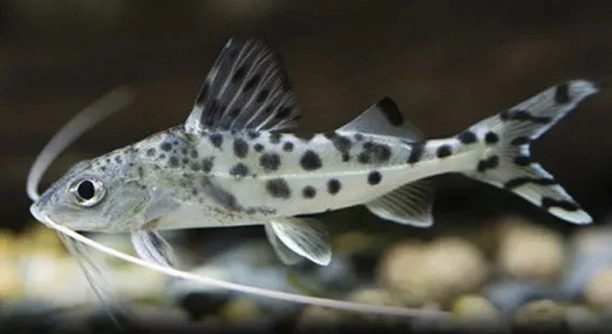
Do you ever bring home new fish and worry about how they might affect your existing aquarium setup and fish health?
Quarantining new pictus catfish is essential to prevent the spread of disease, reduce stress for established fish, and ensure the new catfish adapt safely. This process supports overall tank stability and long-term fish health.
Understanding the risks and knowing what to watch for can help you avoid common problems and keep your tank running smoothly.
Prevents the Spread of Disease
New pictus catfish can carry parasites, bacteria, or viral infections that may not show symptoms right away. Placing them directly into your main tank puts your other fish at risk. A quarantine period gives you time to monitor their health and treat any signs of illness in a separate space. This step is especially important in community tanks where fish are in close contact. Even healthy-looking fish can introduce harmful pathogens. Taking a few weeks to quarantine helps break the cycle of transmission and gives your tank more stability. This simple habit can prevent losses and save you from future stress.
Quarantining gives you a chance to treat issues early without exposing the rest of your tank to medications or stress.
Fish often carry illnesses from stores due to poor handling or shared water systems. When pictus catfish are quarantined, you can observe them more closely for any changes in behavior, appetite, or appearance. If something does come up, treating them in a separate tank is easier, more effective, and less expensive. Medications can harm sensitive species in your main tank, so isolating the issue means protecting everyone. It’s not just about disease prevention—it’s also about building trust and setting a smooth path for your new fish to settle in comfortably.
Reduces Stress for Existing Fish
Established fish may feel territorial or stressed when new fish are suddenly added.
Pictus catfish are active swimmers and can be quick to explore. Introducing them without a quarantine period may create tension among other fish. A sudden change in group dynamics can lead to aggression or feeding disruptions. Quarantining allows new arrivals to settle in without overwhelming the rest of your tank. When it’s finally time to introduce them, the transition is smoother. Your older fish have had time to adjust to the presence of new tankmates from a distance, especially if the quarantine tank is nearby. This simple step encourages better long-term relationships among all your fish.
Helps New Catfish Adjust to Tank Conditions
New pictus catfish need time to adapt to water temperature, pH levels, and lighting changes. A quarantine tank offers a calmer space where these changes can happen slowly, without the stress of competing with other fish or facing sudden environmental shifts.
During this adjustment period, you can match the water conditions of the quarantine tank to your main aquarium in stages. This gives your catfish a better chance to adapt gradually without going into shock. You’ll also be able to observe how they respond to different foods, light levels, and water movement. Because pictus catfish are sensitive to changes, this step lowers the risk of sudden illness or refusal to eat. Over time, you’ll notice when they become more active and curious, which signals they’re adjusting well. A slower, more controlled introduction sets the stage for better long-term health and behavior in the main tank.
Many catfish experience transport stress, which can weaken their immune system and make them more prone to illness. Quarantine gives them space to rest and recover without added pressure. They don’t need to compete for food or establish territory right away. This time allows their bodies to heal, their energy to return, and their feeding habits to normalize. The more stable they become in the quarantine tank, the smoother their eventual move will be. You’ll notice a difference in how quickly they explore and settle into their new home once they’ve had that time to rest first. This makes the entire process easier on both you and your fish.
Makes Observation Easier
Watching pictus catfish in a quarantine tank helps you notice signs you might miss in a busy community setup. You can track their appetite, swimming patterns, and overall activity without distractions from other fish or crowded tank conditions.
In a calm space, it’s easier to spot fin damage, color changes, or breathing issues. These early signs often go unnoticed in larger tanks.
Protects Delicate Fish in Your Main Tank
Some fish in your main tank may be more sensitive to stress or illness than others. Introducing a new catfish without quarantine can lead to sudden health issues, especially if your older fish are already dealing with minor stress or age-related changes. Keeping the new fish separate gives the delicate ones time to remain stable. It also gives you the chance to treat any unseen problems in the new fish before it causes trouble for the rest. Protecting the balance of your main tank should always come first, especially when caring for fish with specific needs.
Allows for Gradual Introduction
A proper quarantine lets you slowly prepare the main tank and your existing fish for the new addition. This reduces stress and helps prevent aggressive reactions.
FAQ
How long should I quarantine a new pictus catfish?
The recommended quarantine period is 2 to 4 weeks. This gives enough time to observe the fish for signs of illness, stress, or poor adjustment. Some issues, like parasites or bacterial infections, may not appear right away. Giving the catfish a few weeks in a separate tank allows you to catch these problems before they spread. Even if the fish looks healthy, it’s still important to follow this timeframe. It’s better to be cautious than risk harming your established fish. The full 4 weeks is ideal if the catfish came from a large pet store or shared tank system.
What should I look for during quarantine?
Watch for signs like white spots, frayed fins, redness, labored breathing, and unusual swimming. Loss of appetite and isolation in one part of the tank can also be early warnings. If you notice these, act quickly with treatment. Track how the fish eats, how active it is, and whether it interacts with its environment. Healthy pictus catfish are curious and swim around often. Dull colors or sluggish movement can mean the fish isn’t adjusting well. Quarantine helps you respond early before symptoms get worse.
Do I need a filter and heater in the quarantine tank?
Yes, the quarantine tank should still meet basic care standards. A filter keeps water clean and reduces waste buildup. A heater helps keep the temperature stable, especially for tropical fish like pictus catfish. Unstable conditions can stress the fish and lead to illness. Use a sponge filter for gentle flow, and make sure the heater matches the temperature in your main tank. Keep the setup simple but effective. Clean water, proper heat, and low stress are the most important parts of a safe quarantine setup.
Can I quarantine more than one fish at a time?
Yes, but only if the fish came from the same tank or source. Mixing fish from different tanks or stores in quarantine increases the risk of cross-contamination. If you buy pictus catfish from the same store tank, they can be kept together. Make sure the tank is large enough so they’re not crowded. Watch each one carefully to spot any signs of illness. If one fish gets sick, be ready to treat all of them. Keep in mind that space and clean water are key to keeping multiple fish healthy in quarantine.
What medications should I use during quarantine?
Some fishkeepers use preventative treatments, such as antiparasitic, antifungal, or antibacterial medications. Others prefer to wait and medicate only if symptoms appear. If you choose to treat preventatively, use safe, mild medications, and always follow dosage instructions. Medications like praziquantel, methylene blue, or aquarium salt can help with early issues. Be cautious with harsh treatments—monitor how the fish responds. If the catfish seems stressed or stops eating, stop the treatment and return to clean water. Never mix medications unless the label says it’s safe.
Can I feed the same food during quarantine?
Yes, but you may want to start with simple, easy-to-digest foods. Sinking pellets, frozen bloodworms, or brine shrimp are good options. Watch how the catfish eats. A good appetite is a positive sign. You can use quarantine time to test different foods and see what the fish prefers. This also helps build trust. Feed small portions and remove uneaten food to keep the water clean. Overfeeding can quickly cause ammonia spikes in a small tank, which leads to more stress.
What if my pictus catfish shows no signs of illness?
Even if your fish looks completely healthy, don’t skip quarantine. Some diseases take time to show. The catfish may carry something that only becomes active later, or under stress. A symptom-free quarantine period is the best sign your fish is truly healthy. It also means your main tank stays protected. Quarantine isn’t only about treating sickness—it’s about preventing it entirely. Taking the time upfront leads to a much smoother introduction and better long-term results.
What should I do at the end of quarantine?
Before moving your pictus catfish to the main tank, make sure they are active, eating well, and show no signs of illness. Slowly match the water conditions between tanks over a day or two to reduce stress. Float the fish in a bag or container to help them adjust to temperature, then gently release them. Avoid pouring water from the quarantine tank into your main aquarium. Watch the fish closely over the next few days after transfer. If all goes well, they’ll settle in quickly and interact well with your other fish.
Final Thoughts
Quarantining new pictus catfish is one of the simplest ways to protect your tank and support healthy fish. While it may feel like an extra step, it has clear long-term benefits. You reduce the risk of illness, keep your existing fish comfortable, and help new arrivals adjust with less stress. Many issues that show up later—like infections, poor appetite, or aggressive behavior—can often be traced back to skipping quarantine. Taking the time to isolate new fish gives you more control and more peace of mind. It also allows you to observe the fish up close and take action if anything seems wrong. This simple practice can prevent a lot of unnecessary trouble.
Pictus catfish are active, curious, and sensitive to changes in their environment. Because of this, they need time to settle in and regain their strength before being introduced to a larger tank. A separate space allows them to recover from travel, adapt to new water conditions, and become familiar with their food and surroundings. It also gives you a chance to learn their habits and make sure they’re healthy and eating well. When fish are introduced too quickly, they can become stressed, hide for long periods, or even fall sick. A good quarantine process can make the entire transition much easier and safer.
In the end, quarantine is about creating the best possible start for your pictus catfish. It may take a little planning, but the results are worth it. You protect your tank, your existing fish, and the new ones you bring in. Whether you’re an experienced fishkeeper or just starting out, building good habits like quarantining shows that you care about the long-term health of your tank. It’s a simple, smart step that can save you time, money, and stress. More importantly, it gives your fish a clean, calm space to thrive before joining the rest of the group. Every fish deserves a safe start—and quarantine makes that possible.

Hello,
If you enjoy the content that we create, please consider saying a "Thank You!" by leaving a tip.
Every little bit helps us continue crafting quality advice that supports the health, happiness, and well-being of pets around the world, for pets of all shapes, sizes, and species.
We really appreciate the kindness and support that you show us!