
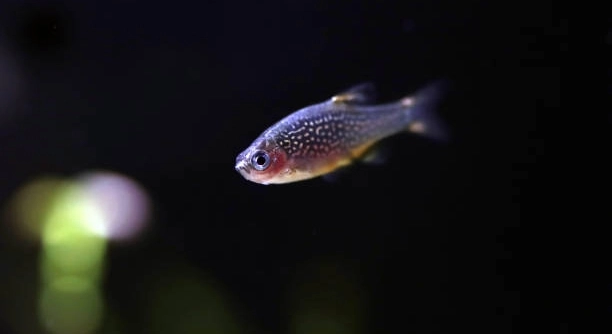
Are your new danios settling into a tank full of unfamiliar fish? Introducing them too quickly can cause stress, disease, and imbalance in your aquarium. Quarantine helps ensure they adjust safely and keeps your aquatic environment healthy.
Quarantining new danios is essential to prevent the introduction of diseases, parasites, and stress-related health issues. A careful quarantine period allows observation, treatment if needed, and minimizes the risk to established fish populations in the main tank.
Understanding proper quarantine methods can protect both your new and existing fish, ensuring a healthy, thriving aquarium for everyone.
Preventing Disease Spread
When new danios are added directly to a main tank, they can carry bacteria, viruses, or parasites that are invisible to the naked eye. Quarantining them in a separate tank for at least two weeks allows observation for any signs of illness. During this period, it is easier to isolate and treat affected fish without risking the health of established tank mates. A proper quarantine setup should include clean water, a heater if needed, and minimal stress. Monitoring water parameters daily is crucial, as fluctuations can weaken fish and make them more susceptible to disease. Feeding high-quality food and avoiding overcrowding ensures that the danios remain strong. Even a healthy-looking fish can carry pathogens, so skipping quarantine increases the risk of sudden outbreaks. I have learned that being proactive in these early days prevents long-term problems and keeps the tank stable for all its inhabitants.
Quarantining also gives peace of mind, knowing that your main tank is safe from potential disease outbreaks.
By isolating new arrivals, you reduce the chance of introducing harmful organisms. Observation lets you catch subtle signs like unusual swimming patterns, faded colors, or slight lethargy. Treating problems early is far easier and less stressful than dealing with a full-blown infection in the main tank. Some diseases can spread quickly, wiping out multiple fish in days. A quarantine tank acts as a controlled environment where medication or treatments can be administered without affecting other fish. Even minor stressors in the quarantine tank, like temperature shifts or water changes, can reveal hidden vulnerabilities. This controlled observation allows adjustments to feeding, water quality, and tank setup to support recovery or health maintenance. Quarantine also provides a chance to condition the fish to your care routines. Overall, this precaution reduces long-term stress and promotes a more resilient, harmonious aquarium.
Acclimating Slowly
A gradual introduction helps danios adjust to water chemistry and temperature differences. Sudden changes can shock their system, leading to stress or illness.
Slow acclimation protects fish from sudden environmental changes, easing their transition into a new tank.
Floating the bag, adding small amounts of tank water over time, and monitoring their behavior allows them to adapt naturally. Stress can weaken the immune system, making quarantine and careful acclimation critical for long-term health. Observing the fish during this period can also highlight individual vulnerabilities that might otherwise go unnoticed. This step is particularly important for sensitive species or fish arriving from different water conditions. Combining quarantine and slow acclimation ensures a smoother, safer integration into your existing tank, reducing the likelihood of disease, aggression, or other problems. Taking these steps may seem time-consuming, but the result is a healthier, more stable aquarium where your danios thrive alongside established fish.
Observing Behavior
Danios often show subtle signs when stressed or unwell. Changes in swimming, appetite, or color can indicate early problems that require attention.
Watching their interactions closely in quarantine helps spot aggression, fatigue, or unusual behavior patterns. Some fish may hide constantly or swim erratically, signaling illness or discomfort. Observing feeding habits is also useful; hesitant or slow eaters might need extra care or treatment. Taking notes during this period makes it easier to track changes and respond quickly. Early detection can prevent minor issues from becoming major health risks. I have seen that even small observations during quarantine can save an entire tank from unnecessary stress and disease.
Careful monitoring allows for quick interventions and ensures that any potential issues are addressed before transferring fish to the main tank.
Water Quality Control
Maintaining clean, stable water is essential for new danios. Quarantine tanks require frequent testing and adjustments to keep parameters within safe ranges.
Regular water changes, proper filtration, and monitoring of temperature, pH, and ammonia levels reduce stress and disease risks. Poor water quality weakens the fish, making them more susceptible to infections. I always check nitrate and nitrite levels daily, even in a small quarantine setup. Using a reliable water test kit helps maintain optimal conditions, ensuring the fish remain healthy. Keeping the environment consistent supports their immune systems and allows them to acclimate safely. Quarantine is not just about isolating fish—it is about creating a stable, controlled space for them to thrive before entering the main tank.
A well-maintained quarantine tank also provides a controlled setting for observation and treatment, allowing me to detect and manage minor issues before they escalate. Regular care during this period makes transferring fish safer, reducing stress and protecting the overall aquarium ecosystem.
Reducing Stress
Minimizing stress during quarantine helps danios stay healthy. Avoid sudden movements, loud noises, or excessive handling that can make them anxious.
Providing hiding spots and maintaining stable lighting gives fish a sense of security. A calm environment supports immune function and encourages normal behavior.
Feeding Carefully
Overfeeding or sudden changes in diet can harm new danios. Offer small, consistent portions of high-quality food.
Monitoring their appetite during quarantine allows for early detection of health issues. Uneaten food should be removed promptly to maintain water quality and prevent disease.
Identifying Illness Early
Signs like clamped fins, faded color, or lethargy indicate potential health problems. Immediate attention can prevent serious outbreaks in the main tank. Observing fish behavior, appetite, and physical condition daily makes it easier to detect early warning signs. Quarantine allows for targeted treatment before issues spread.
Avoiding Cross-Contamination
Never use equipment from the main tank in quarantine. Separate nets, siphons, and containers prevent accidental transfer of pathogens.
FAQ
How long should I quarantine new danios?
A minimum of two weeks is recommended, but observing fish for up to four weeks is often safer. Some diseases have longer incubation periods, so extended quarantine reduces the risk of introducing hidden illnesses to your main tank. I have found that even healthy-looking fish can carry pathogens that only appear after several days.
Can I use the same water from my main tank?
It’s better to start with fresh, conditioned water in the quarantine tank. Using main tank water can introduce existing bacteria or parasites, defeating the purpose of isolation. Gradually adjusting the water to match temperature and pH conditions from the main tank allows the fish to acclimate safely.
What signs should I watch for during quarantine?
Look for clamped fins, faded colors, unusual swimming patterns, lethargy, or loss of appetite. Hiding excessively or appearing jittery can also indicate stress or disease. Tracking these signs daily helps detect problems early and allows for prompt treatment. Minor changes can escalate quickly if ignored.
How often should I feed quarantined danios?
Small portions two to three times a day are ideal. Overfeeding can pollute the water, increasing stress and disease risk. Remove uneaten food promptly and provide a high-quality diet that supports immune health. I have noticed that feeding smaller amounts consistently keeps the fish active and healthy throughout quarantine.
Do I need a heater in the quarantine tank?
Yes, maintaining a stable temperature similar to your main tank is crucial. Sudden temperature changes can stress fish and weaken their immune systems. A small heater with a reliable thermostat ensures the water stays consistent, giving danios the best chance to stay healthy.
How can I treat diseases during quarantine?
Observe the fish first and identify symptoms before using medications. Some treatments may require adjusting water parameters or isolating severely affected fish. Quarantine allows targeted medication without affecting other fish, making treatment safer and more effective. I have learned that early intervention often prevents widespread issues.
Can quarantine help with aggression?
Yes, it allows observation of territorial or dominant behavior in a controlled space. Aggressive fish can be separated or monitored before introduction to a community tank, reducing conflict and stress for all fish.
Should I change water during quarantine?
Frequent small water changes are important to maintain cleanliness and reduce waste buildup. Monitoring ammonia, nitrite, and nitrate levels daily ensures water quality remains stable. I usually change 20–30% of the water every few days, which keeps fish healthy and minimizes stress.
What equipment is necessary for quarantine?
A separate tank with a heater, filter, thermometer, and hiding spots is essential. Using dedicated nets, siphons, and containers prevents cross-contamination. Keeping all quarantine supplies separate from the main tank protects both the new and established fish.
Can I skip quarantine if the fish look healthy?
Skipping quarantine is risky. Even seemingly healthy fish can carry diseases or parasites that affect established tank mates. I always quarantine new arrivals because it prevents potential outbreaks and maintains the long-term health of the entire aquarium.
How do I know when quarantine is complete?
Once fish show consistent healthy behavior, normal appetite, and stable water parameters over the observation period, quarantine can be ended. Typically, this is after at least two weeks without signs of illness, though longer periods may be necessary depending on the species or source of the fish.
Is it necessary to quarantine fish from the same store batch?
Yes, even fish from the same batch can carry different pathogens. Quarantining each group separately reduces the risk of cross-infection and ensures any hidden issues are caught before mixing with the main tank population.
How can I reduce stress during quarantine?
Provide hiding places, keep lighting stable, avoid sudden movements, and maintain consistent feeding schedules. A calm, predictable environment helps fish acclimate, supports their immune systems, and encourages normal behavior. I always notice calmer fish recover faster and show fewer signs of stress.
Are medications always necessary in quarantine?
Not always. Medications are only needed if signs of illness appear. Quarantine primarily serves as a preventative measure, but having treatments ready allows for immediate action if needed. Early detection in quarantine often avoids complicated or prolonged treatments later.
Can I combine quarantine with acclimation?
Yes, acclimation should occur within quarantine. Gradually adjusting water chemistry and temperature while observing the fish ensures a smooth transition. Combining these steps reduces stress and helps the fish adapt safely before entering the main tank.
What is the biggest mistake during quarantine?
The most common mistake is rushing the process—skipping observation, reducing isolation time, or neglecting water quality. I have seen fish introduced too early develop disease outbreaks, which could have been prevented with proper quarantine care. Patience is key to a healthy tank.
How do I deal with aggressive quarantined fish?
Separate aggressive individuals or provide additional hiding spaces to reduce conflict. Observation allows you to identify which fish may need permanent separation before joining a community tank. This minimizes stress and injury for all fish involved.
Does quarantine improve long-term tank stability?
Yes, isolating new fish protects the established population, preventing sudden disease outbreaks or stress. Healthy new additions integrate more smoothly, leading to a stable, balanced aquarium environment. Regular quarantine practices have consistently resulted in healthier, longer-living fish in my experience.
Quarantining new danios is an important step that protects both the new fish and the established population in your main tank. Skipping this process can lead to the introduction of disease, parasites, or stress-related health problems that are difficult to manage later. By isolating new arrivals, you create a controlled environment where you can observe behavior, monitor feeding, and check for physical signs of illness. Even fish that appear healthy can carry pathogens that only become apparent after several days or weeks. A proper quarantine setup includes clean, conditioned water, stable temperature, a reliable filter, and hiding spaces to reduce stress. Paying close attention to water quality during this period ensures that the fish remain strong and that potential problems are caught early. In my experience, taking these precautions prevents unnecessary losses and keeps the main tank environment stable for all inhabitants.
A key benefit of quarantine is the ability to treat illnesses or parasites before they spread. If a fish shows signs of lethargy, clamped fins, unusual swimming, or reduced appetite, treatment can be administered safely in the quarantine tank without affecting other fish. Observation over the quarantine period also provides valuable insight into individual fish behavior, revealing which fish might struggle with stress, aggression, or adaptation to new conditions. Feeding carefully during this time supports immune function and helps the fish recover from the stress of transport. Small, consistent portions of high-quality food, combined with frequent water checks and partial water changes, maintain a clean and healthy environment. Over time, this careful attention ensures that only healthy, strong fish are introduced to the main tank, reducing the likelihood of outbreaks and improving the long-term stability of your aquarium.
Quarantine also allows a gradual acclimation process, giving fish time to adjust to water chemistry, temperature, and lighting differences. A slow, controlled introduction reduces stress and increases the chances of successful integration into the main tank. Even minor changes in water parameters can cause shock or weaken the immune system, so acclimating fish within quarantine is essential. I have learned that patience during this stage pays off in the long term, as fish that are well-acclimated tend to be more active, healthier, and better able to coexist with established tank mates. By following quarantine protocols, maintaining water quality, observing behavior, and feeding properly, you create a safer environment for all fish in the aquarium. These simple, consistent steps prevent unnecessary health issues, promote stronger, happier fish, and ensure that your tank remains balanced and stable over time.

Hello,
If you enjoy the content that we create, please consider saying a "Thank You!" by leaving a tip.
Every little bit helps us continue crafting quality advice that supports the health, happiness, and well-being of pets around the world, for pets of all shapes, sizes, and species.
We really appreciate the kindness and support that you show us!