
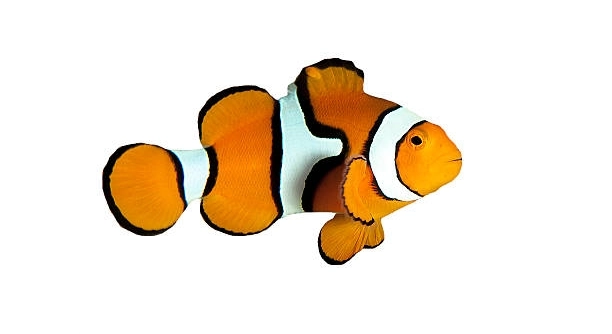
New clownfish are exciting additions to any saltwater aquarium. Introducing them without preparation can lead to health problems for both the new fish and the existing community. Quarantine helps create a safer environment for everyone involved.
Quarantining new clownfish prevents the spread of diseases and parasites, allowing early detection and treatment before introducing them to the main tank. This practice supports overall tank health and reduces stress for both new and established fish.
Understanding why quarantine matters will help you care for your clownfish better and keep your aquarium thriving for the long term.
Protecting Against Hidden Diseases
When you bring new clownfish home, they might carry diseases that are not visible right away. These illnesses can spread quickly to other fish in your aquarium. Quarantining new arrivals gives you time to observe and treat any health issues before they affect your entire tank. It also helps reduce stress on your fish by allowing them to adjust to their new environment gradually. Without quarantine, even a small infection can grow and cause serious problems. Many diseases can be treated effectively if caught early during quarantine. This step also prevents costly treatments and losses later. Quarantine tanks are simple to set up and can be used repeatedly, making them a smart investment for any marine tank owner. Taking these precautions keeps your clownfish healthy and maintains balance in your aquarium ecosystem.
Quarantine protects your entire tank from invisible threats and ensures a safer home for your clownfish.
Keeping diseases isolated during quarantine means healthier fish and fewer surprises after introducing new clownfish.
Reducing Stress for New Clownfish
Stress weakens a clownfish’s immune system and makes them more vulnerable to illness. When introduced directly into a busy tank, new clownfish face sudden changes in water chemistry, lighting, and other fish. This can overwhelm them quickly. Quarantine tanks provide a calm, controlled space where fish can get used to their surroundings slowly. They can recover from transport stress and build strength before joining the main aquarium. In quarantine, you can also monitor their eating habits and behavior closely. This helps identify any problems early on. Reducing stress through quarantine increases the chances that your clownfish will thrive and live a longer, healthier life. It also means fewer surprises for you as the tank caretaker, making fishkeeping more enjoyable and less stressful overall.
Preventing Parasite Infestations
Parasites can hitch a ride on new clownfish without showing symptoms immediately. Quarantine helps catch these pests early before they spread to the main tank. Treatments during quarantine are easier and more effective.
During quarantine, you can apply specific treatments targeting parasites without harming other tank inhabitants. This isolated period allows for close observation to identify signs like scratching, rapid breathing, or unusual swimming. By catching infestations early, you protect your established fish population and avoid complicated, tank-wide treatments. It also reduces the risk of parasites becoming resistant due to repeated exposure.
Quarantine creates a safe space to manage parasites carefully. This step saves time, money, and stress by stopping infestations before they take hold in your aquarium.
Monitoring Water Quality Changes
New clownfish can affect water quality with their waste, especially if they are stressed or sick. Monitoring water parameters in quarantine ensures stable conditions. This prevents sudden changes when fish join the main tank.
In quarantine, you can keep track of ammonia, nitrite, and nitrate levels closely. Any spikes can be addressed quickly, avoiding damage to your fish. You can also adjust feeding and cleaning routines to support water quality. This controlled environment helps maintain proper filtration and reduces harmful bacteria buildup. Monitoring water quality in quarantine protects both new and existing fish from shock and illness caused by poor water conditions. This careful management makes introducing new clownfish a smoother process.
Avoiding Aggression and Territorial Conflicts
New clownfish can trigger aggression from existing fish when introduced too quickly. Quarantine helps minimize this risk by allowing a slow and careful introduction.
By observing fish behavior in quarantine, you can identify any overly aggressive individuals and plan introductions to reduce stress and fighting.
Easier Observation of Health Issues
Quarantine tanks provide a quiet space to watch new clownfish closely. Early signs of illness or injury are easier to spot without distractions or competition from other fish.
This early detection helps you treat problems before they worsen, improving the chances of recovery and long-term health for your clownfish.
Maintaining Tank Stability
Quarantine prevents sudden changes in your main aquarium’s environment, helping to keep water parameters and fish behavior stable.
Stability supports a healthy tank ecosystem and reduces stress on all inhabitants.
Saving Money and Effort
Catching health problems early in quarantine reduces the need for expensive treatments and complicated tank cleanings later on.
How long should I quarantine new clownfish?
The recommended quarantine period is usually between 2 to 4 weeks. This timeframe allows you to observe the fish closely for any signs of illness or parasites that might not be visible right away. Some diseases have incubation periods, so a quarantine shorter than two weeks might miss them. During this time, keep the water conditions stable and monitor feeding behavior and overall activity. If no problems appear after 4 weeks, the clownfish is generally safe to introduce to your main tank.
What equipment do I need for a quarantine tank?
A simple quarantine setup includes a separate tank of about 10 to 20 gallons, a heater, a filter, and a light. It’s best to use a sponge filter or a filter that won’t create too much current, helping the fish stay calm. Avoid decorations or substrate that could hide parasites. Some keepers use a bare tank for easier cleaning. A thermometer and water test kits are important to keep conditions stable. You can reuse this setup for future quarantines, making it a good investment.
Can I use medication during quarantine?
Yes, quarantine is the ideal time to use medication safely. Treating fish in the main tank risks harming beneficial bacteria and other tank inhabitants. In quarantine, you can apply treatments for parasites, bacterial infections, or fungal issues more directly and effectively. Always follow the medication instructions carefully and monitor your clownfish’s response. Some treatments require water changes or additional filtration, so be prepared to manage those steps.
What signs of illness should I look for?
Watch for unusual behavior such as lethargy, loss of appetite, scratching against objects, rapid breathing, or changes in coloration. Physical signs like white spots, swollen areas, frayed fins, or cloudy eyes can also indicate disease. Early detection in quarantine lets you act quickly to treat these problems before they spread. If you notice any worrying signs, isolate the fish even further if possible and seek advice on proper treatment.
Is quarantine necessary for all new fish?
While it might be tempting to skip quarantine for apparently healthy clownfish, it is highly recommended for all new arrivals. Even fish that look healthy can carry hidden parasites or infections. Quarantine reduces risks and helps maintain a stable, disease-free environment in your main tank. Skipping this step often leads to larger problems that can affect your entire aquarium.
How do I properly introduce a fish from quarantine to the main tank?
After quarantine, acclimate your clownfish slowly to the main tank’s water conditions. Float the quarantine tank bag in the main tank for 15 to 20 minutes to equalize temperatures. Then gradually add small amounts of the main tank water into the quarantine tank water over 30 to 60 minutes. This helps the fish adjust to any differences in chemistry. Use a net to transfer the fish gently to avoid stressing it. Avoid adding quarantine water to the main tank to prevent introducing any lingering pathogens.
Can quarantine stress the fish?
Quarantine can be stressful, but it is less risky than introducing a fish directly to a busy tank. To reduce stress, keep the quarantine tank quiet and avoid sudden changes in lighting or temperature. Provide some hiding spots if possible. Monitor your clownfish’s behavior and make sure it is eating well. Stress is a concern but controlled quarantine conditions usually help fish recover from transport stress and get stronger before joining their new home.
What if I don’t have space for a quarantine tank?
If space is limited, consider a smaller quarantine setup or use a large plastic container with a heater and filtration. Some hobbyists use breeder nets inside the main tank for temporary quarantine, though this is less ideal. Another option is to quarantine new fish at the store or supplier before purchase, but this requires trust and cooperation. Skipping quarantine increases risks, so finding any solution for isolation is better than none.
How often should I quarantine new fish?
Every new fish you add to your aquarium should go through quarantine. This includes clownfish, other saltwater species, and even live rock or corals that might carry pests. Consistent quarantine habits prevent introducing diseases and keep your tank stable. It might seem time-consuming at first, but it saves effort and heartache in the long run.
Can quarantine prevent all diseases?
Quarantine greatly reduces the risk of spreading disease but cannot guarantee complete prevention. Some illnesses may develop later or come from other sources like contaminated equipment or water. However, quarantine is the most effective step you can take to catch and treat problems early. Combined with good tank maintenance and water quality, it helps keep your clownfish healthy and thriving.
Quarantining new clownfish is a simple but important step for anyone keeping a saltwater aquarium. It helps protect both the new fish and the ones already living in the tank. By keeping new arrivals separate for a few weeks, you can watch for any signs of illness or parasites before they have a chance to spread. This careful approach makes it easier to treat problems early, which can save a lot of trouble later. It also gives your clownfish time to adjust to their new environment without the added pressure of competing or facing aggression from other fish right away.
A quarantine tank does not need to be large or complicated. Even a small tank with basic equipment like a heater and filter can do the job well. The goal is to provide a quiet, stable space where the fish can recover from shipping stress and build strength. Monitoring water quality, behavior, and health during this time is key. Many common problems become easier to spot in quarantine, allowing you to act quickly. By preventing disease and stress, quarantine improves the chances that your clownfish will thrive once they join the main aquarium.
While quarantine might seem like an extra step, it is an investment in your fish’s health and your tank’s stability. Avoiding sudden disease outbreaks or aggressive fights keeps your aquarium peaceful and balanced. The time and care spent during quarantine also reduce the risk of costly treatments and losses. Whether you are new to fishkeeping or experienced, making quarantine a regular part of adding new clownfish will help you maintain a happy, healthy underwater community for years to come.

Hello,
If you enjoy the content that we create, please consider saying a "Thank You!" by leaving a tip.
Every little bit helps us continue crafting quality advice that supports the health, happiness, and well-being of pets around the world, for pets of all shapes, sizes, and species.
We really appreciate the kindness and support that you show us!