
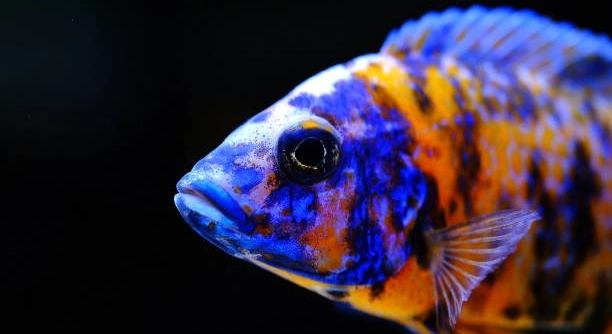
New African cichlids bring vibrant colors and energy to any aquarium. Introducing them without proper care can lead to health problems or stress. Quarantining new fish is an important step for every aquarium hobbyist to consider.
Quarantining new African cichlids is essential to prevent the spread of diseases, reduce stress, and allow for careful observation before introducing them to the main tank. This practice ensures the health and safety of both the new fish and existing aquatic life.
Following quarantine guidelines helps protect your entire aquarium community. The benefits go beyond health, supporting a stable and thriving environment for your cichlids.
Preventing Disease Transmission
Quarantining new African cichlids helps prevent diseases from spreading to your existing fish. Many illnesses show no obvious symptoms at first but can quickly infect other tank inhabitants. By isolating new fish in a separate tank for at least two weeks, you give yourself time to observe and treat any signs of sickness. This step is crucial because some diseases can be hard to detect without close monitoring. It also helps avoid costly treatments and stress on your established aquarium community. Keeping your main tank healthy starts with protecting it from unknown infections that may come with new fish.
This quarantine period acts as a health checkpoint for your new cichlids.
Isolation helps stop contagious conditions before they impact your entire aquarium. It is a simple yet effective way to maintain a healthy tank environment for all fish.
Reducing Stress and Promoting Adjustment
New fish face many challenges when introduced to a different environment. Quarantine allows them to adjust gradually without competing for territory or food immediately. The reduced stress during this period helps strengthen their immune system, making them less vulnerable to illnesses. Without the pressure of an established community, they have time to acclimate to water conditions and feeding schedules. This careful approach results in healthier, more active fish when they join the main tank. Quarantine also provides a chance to spot behavioral issues or incompatibility early on, preventing future problems with aggression or bullying.
Taking this step shows care for both new and existing cichlids.
Allowing fish to settle before introduction leads to a more peaceful and stable aquarium. It improves the chances that all fish will thrive together.
Monitoring Behavior and Health
Quarantine offers a controlled space to watch new cichlids closely.
Observing behavior in isolation helps identify signs of stress, illness, or aggression early. You can check for unusual swimming patterns, loss of appetite, or physical damage. This close attention allows for prompt treatment before problems worsen or spread to other fish. Behavior monitoring also helps understand how well the new fish adapt to their surroundings, which is important before adding them to the main tank.
Watching fish carefully during quarantine ensures any health issues are addressed quickly. It also helps you make better decisions about introducing them to your established aquarium community, keeping everyone safer and more comfortable.
Avoiding Chemical Contamination
New fish or plants may carry harmful chemicals or parasites from previous environments.
Using a quarantine tank reduces the risk of introducing these contaminants into your main aquarium. It allows for water treatments and controlled feeding, limiting the exposure of your existing fish to toxins or parasites. Additionally, medications can be administered without affecting the main tank’s biological balance.
This precaution protects your aquarium’s water quality and reduces stress caused by sudden changes or harmful substances. Quarantining is a vital step in maintaining a clean and stable environment, especially when bringing in new fish from unknown sources.
Protecting Established Social Hierarchies
Quarantine prevents disruption of social groups in the main tank.
New cichlids introduced without quarantine may cause fights or stress by challenging existing fish.
Easier Treatment and Observation
Treating illness or parasites is more manageable in a quarantine tank. It limits exposure and prevents chemicals from affecting your main aquarium’s beneficial bacteria.
In quarantine, you can focus on the specific needs of the new fish without worrying about harming established tank mates. This approach also reduces stress for both new and existing fish, improving overall health outcomes.
Preventing Parasite Spread
Quarantine stops parasites from spreading quickly. It isolates new fish, reducing risk for the main tank.
FAQ
How long should I quarantine new African cichlids?
A quarantine period of two to four weeks is generally recommended. This time allows you to observe any signs of illness or stress and treat problems before introducing the fish to the main tank. Shorter quarantine times may miss hidden health issues, while longer periods ensure a safer introduction.
What equipment do I need for a quarantine tank?
A simple tank with a filter, heater, and appropriate lighting is enough. It doesn’t need to be large—around 10 to 20 gallons works well for a few cichlids. Avoid adding decorations that can trap waste or stress the fish. Keeping the setup basic helps with cleaning and monitoring health.
Can I use the same water from my main tank in quarantine?
Using water from your main tank can help maintain stable water parameters for new fish. However, it may also transfer diseases or parasites. It’s safer to start with clean, treated water and adjust slowly to the main tank’s conditions during quarantine.
Should I feed different food during quarantine?
Feeding high-quality, nutritious food helps strengthen the immune system of new fish. You may also want to include medicated food if disease is suspected. Offering a varied diet supports better health and recovery while monitoring their appetite and condition.
How do I know if my fish is sick during quarantine?
Watch for changes in behavior such as lethargy, loss of appetite, rapid breathing, or visible signs like white spots, torn fins, or swelling. Early detection is key for effective treatment. If you notice any unusual symptoms, isolate the fish further and consult aquarium health resources.
Can I keep multiple new cichlids together in quarantine?
It depends on their size and temperament. Some cichlids may become aggressive even in quarantine, so monitor their behavior closely. Providing enough space and hiding spots can reduce stress and fights. If aggression occurs, separate the fish to avoid injury.
Is it necessary to medicate fish during quarantine?
Medication is not always required but can be useful if illness is detected or suspected. Treating during quarantine prevents spreading diseases to the main tank. Always research the correct treatment and dosage before use to avoid harming your fish.
What if my new fish show no signs of illness after quarantine?
If no symptoms appear, and the fish behave normally, they can be safely introduced to the main tank. Continue monitoring closely for the first few days after transfer to catch any delayed issues early. Quarantine is a precaution that helps reduce future problems.
Can plants and decorations also be quarantined?
Yes, new plants and decorations can carry pests or parasites. Rinsing and soaking them separately before placing in your main tank reduces the risk of contamination. Some hobbyists use quarantine tanks for plants as well to ensure safety.
What should I do if a quarantined fish dies?
Remove the fish immediately and clean the quarantine tank thoroughly. Investigate possible causes such as water quality or illness to prevent further loss. Adjust quarantine practices as needed to improve future success.
These FAQs address common concerns about quarantining African cichlids and help ensure a healthier aquarium environment. Taking time and care during quarantine benefits both new and existing fish, making the process worthwhile.
Quarantining new African cichlids is a crucial step that many aquarium keepers might overlook. Taking the time to isolate new fish before adding them to your main tank helps protect both the newcomers and the established aquatic community. It acts as a safety measure against diseases and parasites that might not be visible right away. Even if the new fish seem healthy, they can carry infections that could spread quickly and cause serious problems. This simple practice reduces the risk of outbreaks and gives you a chance to observe the fish closely for any health concerns.
Besides health protection, quarantine helps reduce stress for new fish. Moving from one environment to another is challenging, and sudden introductions can lead to aggression or anxiety among fish. In quarantine, the fish have time to adjust to new water conditions and feeding routines without the pressure of competing for space or resources. This period allows them to build strength and acclimate safely, improving their chances of thriving once they join the main aquarium. It also offers a chance to watch their behavior and make sure they will fit well with your existing fish.
Overall, quarantine is a straightforward, effective way to maintain a healthy, balanced aquarium. While it might require extra time and equipment, the benefits far outweigh the effort. Protecting your fish from illness, reducing stress, and keeping your tank stable are important for long-term success. Making quarantine part of your routine shows care and responsibility in fishkeeping. With patience and attention, you can enjoy a more vibrant, healthy aquarium where your African cichlids live happily and safely.

Hello,
If you enjoy the content that we create, please consider saying a "Thank You!" by leaving a tip.
Every little bit helps us continue crafting quality advice that supports the health, happiness, and well-being of pets around the world, for pets of all shapes, sizes, and species.
We really appreciate the kindness and support that you show us!