
Keeping rosy barbs can be a rewarding experience for many aquarium enthusiasts. These lively fish are known for their vibrant colors and active behavior, making them popular choices. Understanding the benefits of keeping them in groups is important for their well-being.
Rosy barbs are naturally social fish that thrive in groups, which promotes healthier behavior and reduces stress. Group living enhances their natural instincts, encourages activity, and improves their overall health and lifespan by providing a more stimulating and secure environment.
Knowing why rosy barbs do better in groups can help you create a balanced aquarium. This article explains the key reasons behind their group preference and how it benefits their care and happiness.
Social Behavior and Stress Reduction
Rosy barbs are naturally schooling fish that feel more secure when kept in groups. When they are alone or in small numbers, they often show signs of stress, such as hiding or reduced activity. Stress can weaken their immune system, making them more prone to illness. Keeping them in groups allows them to display natural behaviors like swimming together and interacting, which promotes a healthier environment. Group living helps maintain a stable social hierarchy, reducing aggression and competition. This balance is essential for their mental well-being and helps prevent issues like fin nipping. The presence of multiple fish also encourages movement and playfulness, making the tank more lively and interesting to observe. Overall, a group of rosy barbs supports both their physical health and emotional stability.
Social interaction is vital to reduce stress and improve the overall health of rosy barbs.
Keeping a group of rosy barbs enhances their quality of life by allowing them to swim in schools and feel secure. Stress decreases significantly when they are surrounded by others of their kind. This reduces the chance of illness and boosts their immune response. Their natural behavior becomes more visible and enjoyable to watch, adding life to your aquarium. Group living prevents loneliness and promotes healthier activity levels, supporting their growth and coloration. It also helps reduce aggressive behavior, making the tank environment more peaceful for all fish present.
Enhanced Appearance and Coloration
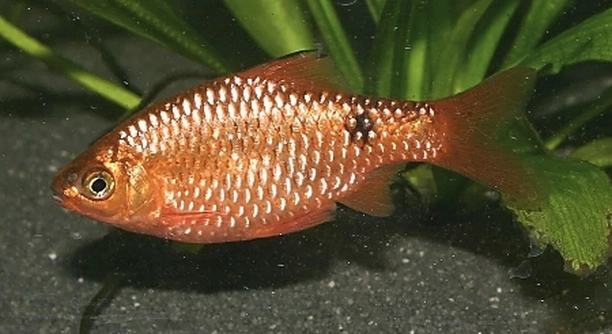
Rosy barbs kept in groups tend to show brighter and more vibrant colors. When these fish are healthy and comfortable, their natural hues become more pronounced. Bright coloration is often a sign of good health and low stress levels. Fish living alone or in stressful conditions may appear dull and less active. Grouping rosy barbs stimulates their competitive display, where they show off their colors to each other. This natural behavior enhances their overall appearance and makes the tank visually appealing. Well-colored rosy barbs are not only a delight to watch but also indicate that the tank conditions and care routines are suitable for their needs.
In groups, rosy barbs exhibit better coloration and more dynamic behavior.
The lively display of colors among grouped rosy barbs is a result of their healthy social environment. Being in a group encourages them to be more active, swimming confidently and interacting. This activity stimulates their metabolism, contributing to better health and brighter colors. Without companions, rosy barbs might lose their vibrant appearance, as stress or boredom can dull their colors. Ensuring they have companions of their kind promotes natural behaviors and enhances their physical beauty. This creates a more engaging and attractive aquarium display, bringing joy and satisfaction to the keeper.
Improved Activity Levels
Rosy barbs kept in groups are naturally more active. They swim constantly, exploring their environment together. This behavior is less common when they are alone or in small numbers.
Higher activity levels help maintain healthy fish. Swimming together encourages exercise, which supports muscle tone and metabolism. Active fish are less prone to obesity and related health issues. Group swimming also allows rosy barbs to show natural behaviors like chasing and schooling. This makes their daily routine more stimulating and fulfilling. When kept alone, they may become lethargic or stressed, leading to weakened immune systems and lower energy. The presence of companions keeps them engaged and vibrant, improving their overall well-being.
In a group, rosy barbs often develop stronger social bonds. These bonds encourage cooperative behaviors and reduce aggression. This social structure creates a peaceful environment, which further encourages consistent activity. Group activity benefits not only the rosy barbs themselves but also other peaceful fish sharing the tank.
Easier Maintenance and Monitoring
Keeping rosy barbs in a group simplifies monitoring their health. Changes in behavior or appearance are easier to notice when comparing fish side by side. Illness or stress stands out quickly, allowing faster intervention. It’s harder to spot problems in isolated fish because symptoms can be subtle or delayed. A group provides natural contrast, making signs of trouble more visible.
Maintaining water quality is also more straightforward with groups. Active schooling fish contribute to consistent tank circulation, helping keep the environment stable. Their movement encourages filtration efficiency, supporting cleaner water conditions. Watching a group swim actively can also signal that water parameters are balanced and comfortable for the fish. If activity decreases, it’s often an early warning of water issues. Thus, groups help maintain a healthier tank environment overall.
Natural Schooling Instinct
Rosy barbs have a strong instinct to school together. This behavior helps them feel safer and more confident in their environment. Keeping them in groups allows this natural tendency to flourish.
Schooling reduces anxiety by providing protection from perceived threats. Fish in groups move more smoothly and avoid sudden stress responses. This natural behavior is key to their well-being and overall happiness.
Balanced Tank Environment
A group of rosy barbs creates a balanced dynamic within the aquarium. Their schooling behavior helps regulate interactions with other fish, preventing dominance or bullying. This balance promotes peace and stability in the tank.
Enhanced Breeding Success
Rosy barbs kept in groups have higher chances of successful breeding. The presence of multiple fish stimulates natural courtship behaviors. Group living supports better reproductive health and encourages spawning activity.
FAQ
How many rosy barbs should I keep together?
It is best to keep at least six rosy barbs in a group. Smaller numbers can lead to stress and aggression, as these fish rely on their group for security. Six or more allows them to form a stable social structure and swim naturally in schools.
Can rosy barbs live with other fish species?
Yes, rosy barbs are generally peaceful but can sometimes nip fins. They do well with other active, similarly sized fish that can tolerate their energy level. Avoid very slow or long-finned species to prevent stress and fin damage.
What size tank do rosy barbs need?
A group of six rosy barbs should have a tank of at least 30 gallons. They are active swimmers and need space to school freely. Larger tanks offer better water quality stability and more room for decorations and hiding places.
Do rosy barbs need special water conditions?
Rosy barbs prefer slightly hard, neutral to slightly alkaline water, with temperatures between 64°F and 72°F (18°C–22°C). Maintaining stable water parameters is important for their health. Regular water changes and proper filtration keep conditions ideal.
How often should I feed rosy barbs?
Feed rosy barbs once or twice a day with a balanced diet. High-quality flakes, pellets, and occasional live or frozen foods like brine shrimp or bloodworms work well. Avoid overfeeding to prevent water quality problems.
Will rosy barbs fight if kept in groups?
In a properly sized group, fighting is usually minimal. Aggression can occur if the group is too small or if there is overcrowding. Ensuring enough space and hiding spots helps reduce conflicts and keeps the group harmonious.
How can I tell if my rosy barbs are stressed?
Signs of stress include hiding, loss of color, rapid breathing, and reduced activity. Stress can lead to illness, so it’s important to address water quality, tank mates, and group size promptly if these symptoms appear.
Can rosy barbs tolerate cold water?
They are relatively hardy and can handle slightly cooler temperatures compared to tropical fish. However, sudden temperature changes or water that is too cold can cause stress. Keeping a stable temperature within their preferred range is best.
Do rosy barbs need plants in the tank?
Live plants are beneficial for rosy barbs. They provide shelter and reduce stress by offering hiding spots. Plants also improve water quality by absorbing nitrates. Rosy barbs usually do not damage plants, making them a good tank addition.
How long do rosy barbs typically live?
With proper care and a healthy environment, rosy barbs can live around five to eight years. Their lifespan depends on diet, water quality, and stress levels. Group living plays a key role in promoting longevity.
Keeping rosy barbs in a group is beneficial for many reasons. These fish naturally prefer the company of others and do best when surrounded by their own kind. A group provides security and comfort, which lowers stress and helps them stay healthy. When they are alone or in small numbers, they can become anxious or inactive. Group living encourages natural behaviors like schooling and swimming actively, which supports their physical and mental well-being. This also makes them more enjoyable to watch as they move together in the tank.
Another important point is that rosy barbs kept in groups tend to show brighter colors and healthier appearances. Their natural social interactions and activity levels stimulate their metabolism and enhance their coloration. Fish that are stressed or isolated often lose their vividness and appear dull. When healthy and happy in a group, rosy barbs display their full beauty, which adds visual interest to the aquarium. Additionally, group living reduces aggressive behaviors and creates a peaceful environment. This helps maintain a balanced aquarium, making it easier to care for all fish involved.
In summary, keeping rosy barbs in groups is essential for their overall health and happiness. It supports natural behaviors, improves their appearance, and creates a stable and active tank environment. Group living also makes it easier to notice changes in their health and reduces the risk of stress-related problems. Providing rosy barbs with companions ensures they thrive, live longer, and stay vibrant. For anyone caring for these fish, understanding their social needs is key to successful and rewarding aquarium keeping.

Hello,
If you enjoy the content that we create, please consider saying a "Thank You!" by leaving a tip.
Every little bit helps us continue crafting quality advice that supports the health, happiness, and well-being of pets around the world, for pets of all shapes, sizes, and species.
We really appreciate the kindness and support that you show us!