
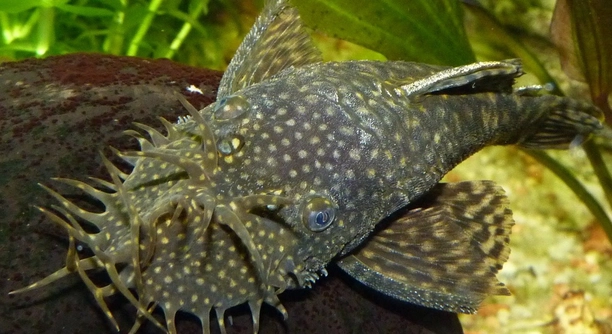
Many aquarium owners wonder whether keeping plecos with shrimp is a good idea. These two species are often housed together, but it’s important to understand their behavior and how they interact. Let’s explore both sides of the question.
Plecos can coexist with shrimp in some aquariums, but this depends on the specific species of pleco and shrimp. Plecos are often peaceful, yet some may inadvertently harm smaller shrimp due to their size or territorial behavior.
When considering plecos and shrimp together, it’s important to be aware of the potential benefits and risks of this pairing. We’ll cover key factors that affect their relationship.
Why Plecos and Shrimp Might Not Always Get Along
Plecos are known for being peaceful bottom dwellers, often helping to keep aquariums clean. However, despite their generally calm nature, certain types of plecos can be problematic when housed with shrimp. Some larger plecos may not intentionally harm shrimp, but their size and movement can cause accidental damage. The real concern is the pleco’s eating habits. Plecos are opportunistic feeders, and if the shrimp are small, they could become a meal. Additionally, plecos are sometimes territorial, especially when they feel their space is threatened. This can lead to aggression toward other tank mates, including shrimp.
The compatibility between plecos and shrimp depends on both species. While some plecos will coexist peacefully with shrimp, others may become aggressive. Ensuring a good tank setup can help reduce the risk of conflict.
If you decide to keep plecos with shrimp, it’s important to monitor the tank closely. Certain plecos, like the bristlenose pleco, are less likely to pose a threat to shrimp. However, other plecos, like the common or sailfin pleco, are much larger and might become more aggressive. A well-planted tank can provide hiding spots for the shrimp, reducing the chances of stress or harm. It’s also important to consider the shrimp species; larger shrimp species like Amano shrimp are less likely to be at risk compared to tiny ones like cherry shrimp. The overall success of this pairing really depends on the individual personalities of the pleco and shrimp, as well as the tank’s environment.
Plecos Can Help Clean Your Tank
Plecos are often chosen for their algae-eating habits. They graze on algae and leftover food, helping to maintain a clean aquarium.
A well-maintained tank will benefit both plecos and shrimp, as algae build-up can lead to poor water quality. By keeping algae in check, plecos create a cleaner, healthier environment for shrimp. Additionally, plecos’ behavior of scavenging can reduce the amount of uneaten food in the tank. This makes them helpful, especially in tanks with multiple species.
Risks of Keeping Plecos with Shrimp
While plecos can help clean the tank, they also pose risks to shrimp. Larger plecos may unintentionally harm small shrimp. Even if plecos don’t hunt them directly, their large size can scare or crush smaller shrimp. The primary risk lies in the pleco’s feeding habits, as they can easily eat tiny shrimp.
When plecos graze on algae or leftover food, they can disturb the environment, causing stress for the shrimp. The shrimp may feel threatened by the pleco’s movements, especially when plecos disturb plants or rocks in the tank. For shrimp species that prefer to hide, constant movement can cause them to stay hidden for long periods. This reduces their access to food, leaving them weak and more vulnerable.
The risks vary depending on the species of pleco. Bristlenose plecos, for example, are generally smaller and less likely to disturb shrimp, while larger varieties may be much more aggressive. It’s essential to know the specific behavior patterns of the plecos you keep with shrimp to understand their interactions better.
The Tank Setup Makes a Difference
The way you set up the tank has a big impact on how plecos and shrimp get along. A well-planted tank gives shrimp places to hide and reduces stress.
A tank with plenty of hiding spots, such as caves, plants, and rocks, will allow shrimp to feel secure. The more hiding options you provide, the less likely the pleco will come into contact with the shrimp frequently. This type of setup encourages shrimp to stay hidden when they feel threatened. It also gives them a safe space to feed. Plecos, being bottom dwellers, are unlikely to disturb shrimp hiding in plants or caves. By offering these safe zones, you create a more balanced and peaceful aquarium environment.
This arrangement helps maintain the natural behavior of both species. Plecos can focus on cleaning algae, while shrimp can go about their business without feeling constantly under threat.
Species Compatibility
Choosing the right species of pleco and shrimp is key. Some plecos are more peaceful, while others are more aggressive. Similarly, larger shrimp can handle plecos better than smaller ones. Knowing the species helps determine if they can live together without issues.
Certain plecos, like the bristlenose, tend to be more shrimp-friendly. In contrast, larger plecos, like the common pleco, may not be as suitable for a shrimp tank. Similarly, shrimp species like Amano shrimp are more robust, making them better suited for living with plecos than smaller varieties like cherry shrimp.
Feeding Considerations
Feeding is crucial when keeping plecos with shrimp. Plecos often scavenge for food, and this can lead to competition for resources. Both plecos and shrimp might end up fighting over the same food sources.
To prevent this, feed shrimp separately from plecos. You can provide sinking pellets or algae wafers for plecos while offering shrimp-specific food, such as shrimp pellets or vegetables. This way, both species can eat without competition. By spacing out feeding times or using different areas in the tank, you ensure both plecos and shrimp get their fair share.
Stress from Aggression
Aggression from plecos can stress shrimp. Even if plecos don’t attack, their constant movement and size can create a tense environment. Shrimp may feel constantly on edge, affecting their health.
To reduce aggression, make sure the pleco has enough space and hiding spots in the tank. Avoid overstocking the tank, as this leads to competition and territorial behavior from the pleco. Creating a calm environment with proper hiding spaces for both species helps lower stress and promotes a healthier tank.
FAQ
Can plecos live with shrimp without causing harm?
Yes, plecos can live with shrimp if both species are compatible and the tank is set up correctly. Smaller plecos, such as bristlenose plecos, are less likely to harm shrimp. However, larger plecos may inadvertently harm smaller shrimp or compete for food. The risk depends on the pleco’s size, temperament, and the shrimp species in the tank. When selecting tank mates, always consider the natural behavior of both species and make adjustments to the environment to minimize risk.
What size pleco is safe for shrimp?
Smaller plecos, like the bristlenose pleco, are generally safer for shrimp. They tend to stay smaller and are less likely to see shrimp as food. Larger plecos, such as the common pleco or sailfin pleco, may pose a threat due to their size and more aggressive nature. They can scare or injure smaller shrimp, especially when they disturb plants or rocks in the tank. If you’re keeping plecos with shrimp, aim for species that are less likely to pose a threat due to their size.
What type of shrimp is best to keep with plecos?
Hardier shrimp, like Amano shrimp or ghost shrimp, are typically better suited for living with plecos. These species are larger, more resilient, and can withstand the occasional disturbance from a pleco. Smaller shrimp, like cherry shrimp or neon shrimp, are more delicate and may be more at risk. However, with the right tank setup, even small shrimp can coexist with certain pleco species, as long as the pleco is peaceful and not overly territorial.
How can I prevent plecos from eating shrimp?
To prevent plecos from eating shrimp, ensure that you provide enough food for both species. Plecos are opportunistic feeders and may nibble on shrimp if food is scarce. You can offer algae wafers, sinking pellets, or vegetables to plecos, keeping them full and less likely to target shrimp. For shrimp, provide shrimp-specific food like shrimp pellets or vegetables, ensuring they get their share without competition. Hiding spots in the tank are also important to allow shrimp to escape from potential threats.
Will plecos eat baby shrimp?
Yes, plecos may eat baby shrimp if given the opportunity. Plecos are opportunistic feeders and may view smaller shrimp as food, especially if they are easy to catch. The risk is higher with larger plecos, which can easily overpower baby shrimp. To protect baby shrimp, it’s a good idea to provide plenty of hiding places, such as plants or small caves. This gives the shrimp a safe place to retreat to, minimizing the chances of being eaten by plecos.
How can I create a safe environment for both plecos and shrimp?
Creating a safe environment involves providing plenty of hiding spots and maintaining a proper tank setup. Live plants, rocks, caves, and driftwood can offer both plecos and shrimp places to hide. Keep the tank clean and avoid overcrowding to reduce stress and territorial disputes. Also, feed the two species separately to prevent competition. A balanced, well-maintained tank that mimics the natural environment of both species will help ensure they can coexist peacefully.
Are there any specific pleco species that should not be kept with shrimp?
Larger, more aggressive pleco species like the common pleco or sailfin pleco should be avoided in tanks with shrimp. These plecos are territorial and may view shrimp as food. They are also much larger, making it harder for shrimp to escape if they feel threatened. It’s best to choose smaller, calmer pleco species, such as the bristlenose pleco, which is less likely to harm shrimp.
Can shrimp and plecos live together in a planted tank?
Yes, shrimp and plecos can live together in a planted tank, and in fact, a well-planted tank can be ideal for both species. The plants provide hiding spots and create a natural environment where shrimp can feel secure. Plecos can also graze on algae, helping to keep the tank clean. Just be sure that the plants are sturdy enough to withstand the pleco’s movements, and avoid overly aggressive pleco species. A well-planted tank can reduce stress for shrimp and give them the space they need to thrive.
How do plecos contribute to a shrimp tank?
Plecos can contribute to a shrimp tank by keeping it clean. They eat algae and leftover food, helping to maintain water quality. Plecos are bottom dwellers, so they usually won’t disturb the upper levels of the tank, leaving the shrimp to go about their business. However, they do need sufficient food to keep them from targeting the shrimp. If you’re using plecos for algae control, make sure there’s enough food in the tank for both plecos and shrimp to prevent competition.
Can I keep multiple plecos with shrimp?
It’s generally not a good idea to keep multiple plecos in a tank with shrimp unless you have a large enough space and plenty of hiding spots. Plecos can be territorial, and multiple plecos may fight over space, especially in smaller tanks. This territorial behavior can lead to stress for shrimp. If you do plan to keep multiple plecos, ensure the tank is large enough to accommodate them and offer plenty of space and hiding spots to minimize aggression. Additionally, choose pleco species known for their peaceful nature.
What should I do if I notice my pleco is harming my shrimp?
If you notice that your pleco is harming your shrimp, the first step is to assess the tank setup. Add more hiding spots for the shrimp and consider rearranging the tank to reduce territorial behavior. If the pleco’s aggression continues, it may be best to separate them. Consider using a breeder box or moving the pleco to another tank if needed. Monitoring feeding habits and ensuring both species are well-fed can also help reduce any aggressive behavior from the pleco.
Final Thoughts
When it comes to keeping plecos and shrimp together in an aquarium, the decision ultimately depends on several factors, including the species of pleco, the type of shrimp, and the setup of your tank. In some cases, these two species can coexist peacefully if their needs are met and the environment is suitable. Smaller plecos, such as bristlenose plecos, tend to be less aggressive and can live alongside shrimp without causing harm. However, larger plecos, such as the common or sailfin pleco, can be a threat to smaller shrimp due to their size and more dominant nature. Understanding the specific behavior of both species will help you make an informed decision about whether they can live together.
A well-planted tank with plenty of hiding spots is key to creating a peaceful environment. Shrimp need places to retreat, especially when they feel threatened by larger fish. This setup provides them with a safe space and reduces the chances of stress or aggression from the pleco. Furthermore, proper feeding habits can minimize competition between the two species. Plecos and shrimp often scavenge for food, so it’s important to offer food in a way that ensures both species can eat without fighting. Sinking pellets or algae wafers for plecos and shrimp pellets for shrimp can help reduce this competition.
Ultimately, if you’re committed to keeping plecos and shrimp together, regular monitoring is essential. Watch for signs of stress in the shrimp or aggressive behavior from the pleco. If issues arise, adjusting the tank setup or separating the species may be necessary to protect the shrimp. While it is possible to house both in the same tank, success depends on selecting the right species, providing a suitable environment, and making sure both animals’ needs are met.

Hello,
If you enjoy the content that we create, please consider saying a "Thank You!" by leaving a tip.
Every little bit helps us continue crafting quality advice that supports the health, happiness, and well-being of pets around the world, for pets of all shapes, sizes, and species.
We really appreciate the kindness and support that you show us!